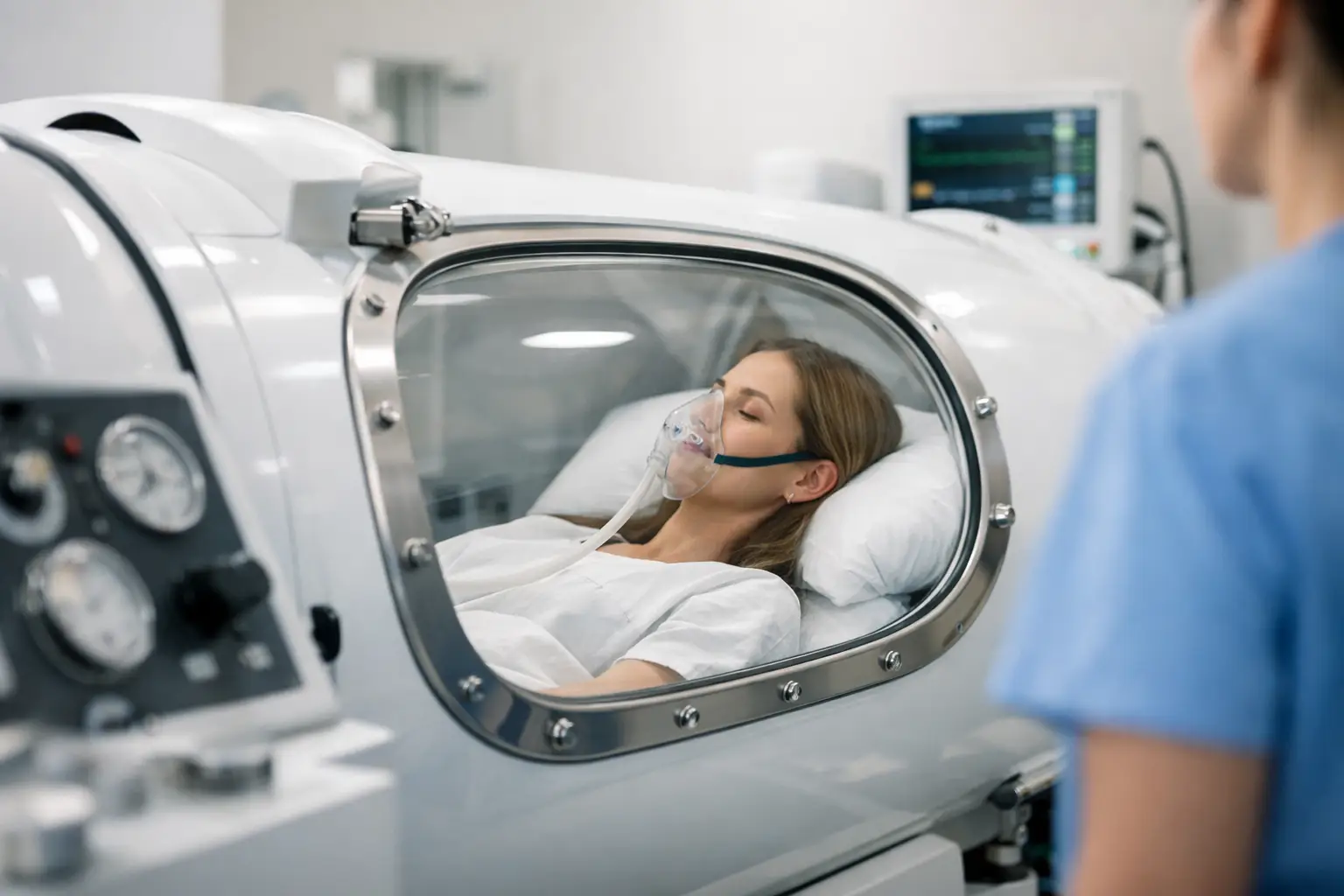
A hyperbaric chamber can be a smart addition to a recovery studio, wellness business, or high-end home setup - but only if safety is treated as part of the investment, not an afterthought. If you are asking, are hyperbaric chambers safe, the most accurate answer is yes, when the chamber is properly designed, used correctly, and matched to the right person and setting.
That distinction matters. Hyperbaric technology has a strong safety profile in appropriate applications, but not every chamber is built the same, and not every buyer evaluates risk the same way. For a commercial operator, safety affects client trust, insurance, staff training, and daily operations. For a residential buyer, it affects confidence, convenience, and long-term usability.
Are hyperbaric chambers safe in real-world use?
In real-world use, hyperbaric chambers are generally considered safe when they come from reputable manufacturers, operate within intended pressure ranges, and are used according to established protocols. Problems usually do not come from the concept itself. They come from poor equipment quality, weak operating procedures, or users ignoring contraindications.
That is why serious buyers look beyond the headline benefit of oxygen support, recovery enhancement, and wellness performance. They also look at pressure control, materials, emergency features, training, maintenance access, and manufacturer support. A chamber is not just a wellness product. It is a piece of technical equipment that needs to perform consistently.
For most buyers, the safety conversation starts with understanding that there are different types of chambers. Mild hyperbaric systems used in many wellness environments typically operate at lower pressures than hospital-grade hard-shell chambers. That lower-pressure environment changes the user experience and often feels more approachable, but it does not eliminate the need for proper setup and screening.
What makes a hyperbaric chamber safe?
Safety comes down to equipment quality, user selection, and operational discipline.
The first factor is engineering. A well-built chamber should have dependable pressure regulation, clear operating controls, durable materials, and straightforward emergency depressurization procedures. It should also come from a manufacturer with documented standards, service support, and a track record in the category. If a chamber looks attractive on paper but lacks serious product support, that is a red flag.
The second factor is screening. Not every person is an ideal candidate for hyperbaric sessions. Certain medical conditions, ear or sinus issues, respiratory concerns, or recent procedures may require medical clearance or make use inappropriate. A quality operator does not treat every prospective user the same. They ask questions first.
The third factor is how the chamber is used day to day. Even premium equipment can become a liability if staff are undertrained, maintenance is ignored, or usage instructions are treated casually. For commercial settings especially, safety is operational. It lives in intake forms, staff protocols, cleaning standards, pressure monitoring, and client communication.
The most common side effects and risks
Most concerns around hyperbaric chamber safety involve manageable side effects rather than serious complications. The most common issue is pressure-related discomfort in the ears, similar to what some people feel during air travel. If the user equalizes pressure properly and the session is paced correctly, this is often mild and temporary.
Some people may also feel sinus pressure, temporary fatigue, or mild claustrophobia, especially during their first session. These reactions do not necessarily mean the chamber is unsafe. They usually point to the need for better preparation, slower pressurization, or a more comfortable chamber environment.
More serious risks are uncommon but still part of a responsible buying discussion. These can include barotrauma, oxygen-related complications in certain circumstances, or safety hazards related to improper equipment use. Fire risk is one of the most talked-about concerns in oxygen-enriched environments, which is exactly why professional-grade chambers are expected to follow strict material and usage standards.
This is where trade-offs come into play. A lower-cost chamber may look like an easy entry point, but if it cuts corners on build quality, controls, or support, the long-term risk is not worth the short-term savings. For business owners, that calculation is even more direct. One equipment issue can affect client confidence, scheduling, and brand reputation.
Are hyperbaric chambers safe for home use?
Home use can be safe, but only when the chamber is selected carefully and the buyer understands the operating responsibilities. The appeal is obvious - private access, consistent recovery support, and no need to schedule appointments. Still, convenience should not replace due diligence.
Residential buyers should pay close attention to the manufacturer, the intended use case, included training, and service availability. A chamber should come with clear instructions, practical support, and features that make operation simple without making the system feel oversimplified. The right home unit feels approachable, but it should still reflect professional-grade thinking.
The user also needs to be realistic about who will use it and how often. A chamber used occasionally by one informed adult is different from a device accessed by multiple family members with varying health histories. Even in a home environment, screening matters.
For affluent homeowners building a recovery or wellness room, the safest purchase is usually not the cheapest one. It is the one backed by credible equipment standards and expert guidance before and after delivery.
Are hyperbaric chambers safe for wellness businesses?
For wellness centers, med spas, recovery studios, and multi-service operators, hyperbaric chamber safety has both clinical and commercial dimensions. The chamber must be safe for clients, but it also needs to be safe for the business to operate.
That means evaluating more than treatment outcomes. Buyers should think about staff training, intake procedures, room requirements, sanitation workflow, service response, and whether the manufacturer or supplier can support the equipment over time. A premium chamber with weak onboarding can create avoidable problems. A well-supported chamber, on the other hand, helps create a smoother client experience and a stronger operating model.
Commercial buyers should also consider how the chamber fits within their broader brand promise. If your business is positioned around premium recovery, rejuvenation, and performance enhancement, your equipment choices need to reflect that standard. Safety is part of the client experience. Clients may never ask about pressure valves or maintenance schedules, but they notice when a system feels professionally managed.
What buyers should look for before purchasing
The safest buying decision usually starts with better questions.
Ask how the chamber is manufactured, what pressure range it operates in, what safety features are built in, and what kind of training is provided. Ask who services it, what replacement parts access looks like, and how technical support is handled after installation. Ask what the recommended user screening process should include. If the answers are vague, the risk is higher.
It is also worth asking how the chamber fits your business model or home goals. Not every buyer needs the same system. A busy recovery studio may need a more durable, client-friendly setup with stronger support infrastructure. A homeowner may prioritize ease of use, comfort, and footprint. Safety improves when the equipment matches the environment.
This is one reason many buyers prefer working with established wellness equipment partners such as Sun Spa Wellness rather than treating a chamber like a generic online purchase. With high-ticket recovery technology, support is part of the product.
The bottom line on hyperbaric chamber safety
So, are hyperbaric chambers safe? In most cases, yes - provided the chamber is well made, the user is an appropriate candidate, and the operating process is taken seriously. The technology itself is not the problem. Poor sourcing, poor screening, and poor execution are where risk tends to show up.
For commercial operators, that means choosing equipment that protects both clients and the business. For residential buyers, it means investing in a system that delivers confidence along with convenience. In both cases, safety is not separate from performance. It is what makes performance sustainable.
The best hyperbaric chamber is not simply the one with the strongest sales pitch. It is the one you can trust to operate reliably, support your goals, and fit your environment without cutting corners where it counts.
