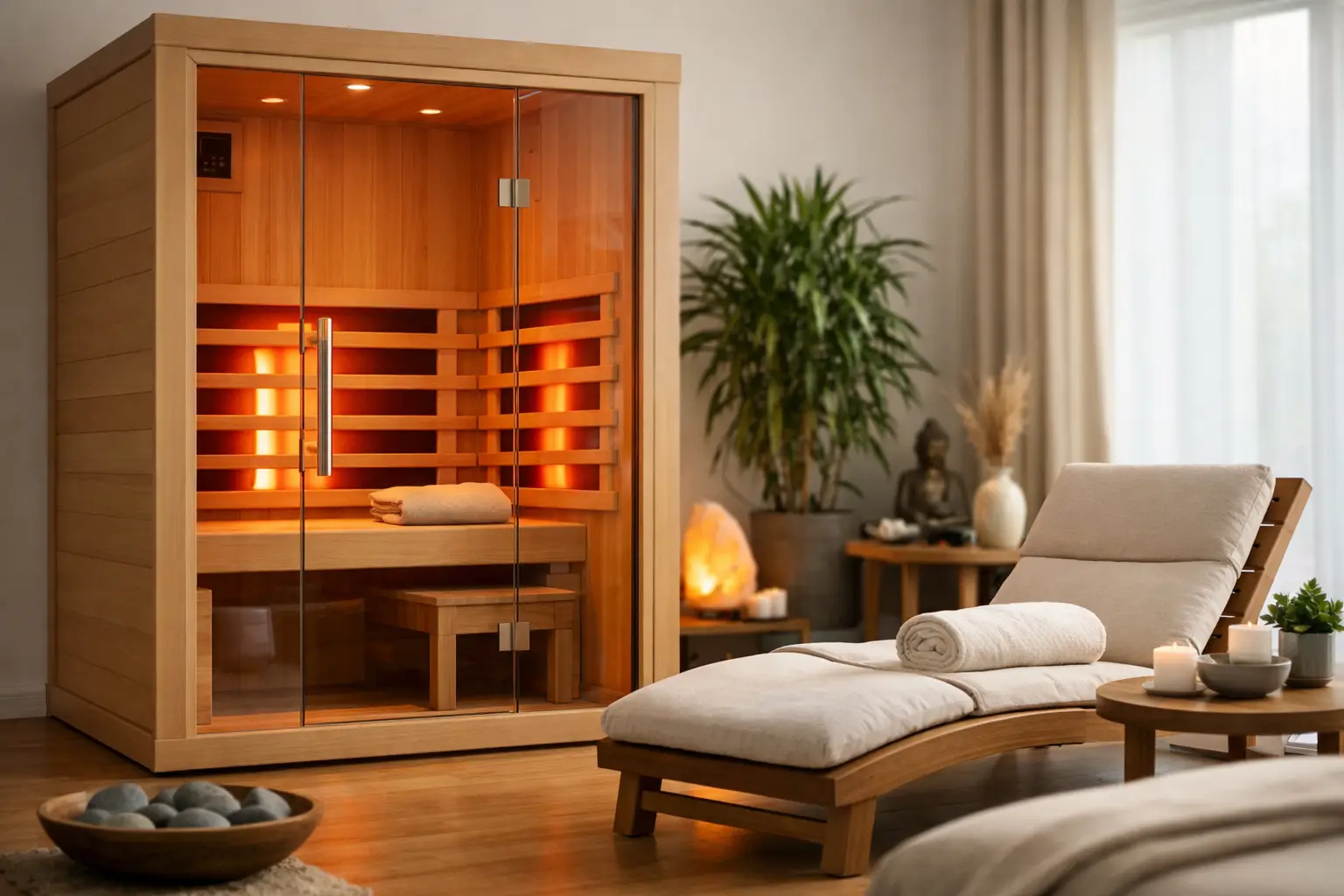
A home sauna should not feel like a compromise between comfort and capability. The best home infrared saunas bring the calm, heat, and recovery-focused experience of a premium wellness environment into a dedicated room, home gym, or primary suite - without requiring the ventilation demands of a traditional steam sauna.
For wellness-focused homeowners, the decision goes beyond choosing a cabin that looks good in a product photo. Heater technology, interior space, wood quality, electrical requirements, and long-term service all shape whether a sauna becomes a consistent part of your routine or an expensive piece of unused furniture. For commercial operators creating a VIP recovery suite, those same details affect client experience, uptime, and the perceived value of every session.
What Separates the Best Home Infrared Saunas
Infrared saunas use radiant heat to warm the body directly rather than heating the entire room to the high temperatures associated with a traditional sauna. This can create a more comfortable environment for people who prefer a lower ambient temperature while still wanting a substantial, restorative sweat session.
Premium models distinguish themselves through even heat coverage, carefully selected low-odor materials, dependable controls, and construction that feels at home in a polished wellness space. A lower purchase price can be appealing, but thin wall panels, limited heater placement, basic wiring, and weak service coverage often become apparent after installation.
The right model depends on how it will be used. A single user seeking a quiet daily ritual has different needs than a couple sharing sessions or a recovery studio accommodating clients between treatments. Start with the intended experience, then evaluate the specifications that support it.
Heater technology and coverage
Most residential infrared cabins are built around far infrared heaters, full-spectrum heater systems, or a combination of wavelengths. Far infrared is commonly selected for its deeply comforting radiant warmth and is often a strong fit for longer relaxation sessions. Full-spectrum models may incorporate near, mid, and far infrared wavelengths, giving buyers a broader technology story and a more versatile positioning for performance-oriented wellness spaces.
More heater panels do not automatically mean better performance. Placement matters. Quality cabins distribute heat around the body rather than concentrating it at the back wall. Look for coverage at the back, sides, calves, and floor area when possible. A thoughtfully positioned system reduces cold spots and helps each seat feel usable.
Temperature range also deserves a practical view. Infrared cabins generally operate at lower temperatures than traditional saunas, and a well-built unit should feel effective without chasing the highest number on a control panel. Consistent heat, comfortable seating, and a timer that supports your routine matter more than an inflated maximum temperature claim.
Low-EMF claims deserve a closer look
Many buyers prioritize low-EMF or ultra-low-EMF infrared sauna designs. This can be a worthwhile consideration, especially for users who are highly attentive to equipment specifications. However, the label alone is not enough. Ask how measurements were taken, where they were taken within the cabin, and whether the manufacturer provides clear documentation.
EMF readings can vary based on distance from a heater, measurement method, operating conditions, and electrical environment. A credible supplier should be able to discuss the equipment specifications plainly instead of relying on vague marketing language. This is one area where premium manufacturer support has real value.
Choose the Right Size Before You Choose Features
The most common purchasing mistake is selecting a sauna based only on its exterior footprint. Interior dimensions determine whether the cabin actually feels restorative. A one-person sauna can be an efficient choice for a compact home gym, but taller users may need more depth to sit comfortably with their feet supported.
Two-person cabins are often the sweet spot for residential wellness rooms because they allow one user to stretch out or let two people share a session. A three- or four-person model makes sense for families, larger homes, or hospitality-minded spaces, but it requires careful planning for floor area, access, and electrical capacity.
Before ordering, measure the finished installation area, not just the open room. Account for door swing, ceiling clearance, nearby outlets, flooring transitions, and a clear path for delivery. If the sauna will be installed in a basement or upstairs wellness suite, confirm that panels can move through stairways, hallways, and door openings.
Materials, Design, and Indoor Air Quality
Wood selection affects appearance, durability, aroma, and the character of the room. Canadian hemlock is widely used for its clean, light appearance and relatively neutral scent. Cedar delivers a richer visual statement and a distinctive natural aroma that many sauna owners enjoy. Neither is universally better. Cedar may be the premium aesthetic choice for one buyer, while someone sensitive to fragrance may prefer hemlock.
Pay attention to the details that are less visible in a showroom. Interior surfaces should feel smooth and well-finished. Benches need to support regular use without flexing. Glass should be tempered, doors should close cleanly, and hardware should match the quality level of the cabin.
For a home environment, materials and adhesives also matter. Buyers often look for low-VOC construction to support a cleaner indoor experience, particularly when the sauna is installed near a bedroom, gym, or relaxation area. Ask direct questions about interior materials rather than assuming every wood cabin is built to the same standard.
Electrical Planning Is Part of the Investment
Some compact infrared saunas are designed for a standard 120-volt outlet, making them straightforward for certain residential installations. Larger cabins and more powerful heater systems may require a dedicated 240-volt circuit installed by a qualified electrician. This is not a detail to leave until delivery day.
Confirm the electrical requirements early, including voltage, amperage, plug type, and dedicated circuit needs. A professional installation plan protects the equipment, supports safe operation, and prevents the frustration of owning a premium sauna that cannot be used immediately.
Location matters as well. Most indoor infrared saunas are intended for dry, climate-controlled spaces. A garage, covered patio, or basement may be workable only when the manufacturer specifically approves that environment and the area is properly protected. Outdoor placement requires an outdoor-rated sauna, not an indoor model moved outside for convenience.
Features That Improve the Session, Not Just the Spec Sheet
The best upgrades make regular sessions easier and more enjoyable. Ergonomic bench design, intuitive digital controls, interior lighting, Bluetooth audio, and chromotherapy can elevate the experience, especially in a dedicated home wellness room. They should complement the sauna's core heat performance, not distract from its shortcomings.
Consider which features will genuinely fit your routine. Audio can be useful for guided breathing, meditation, or post-workout decompression. Dimmable lighting may help create a calmer atmosphere. App-based controls can be convenient, but only if they are reliable and supported over time.
For commercial operators, controls should be simple enough for staff to manage consistently and polished enough to reinforce a premium client experience. In that setting, easy cleaning, durable surfaces, and responsive service can be more valuable than novelty features.
A Smarter Buying Checklist
Before committing to a model, compare these essentials across your final options:
- Interior and exterior dimensions, including bench depth and door clearance
- Heater type, heater placement, and documented performance specifications
- Wood species, interior finishes, and low-VOC material information
- Electrical requirements and the cost of any required circuit installation
- Warranty terms, replacement-part availability, and service support
- Delivery access, assembly needs, and the expected installation timeline
A warranty is especially meaningful when it is backed by a supplier that understands specialty wellness equipment. Ask who handles technical questions after delivery, whether replacement components are readily available, and what service looks like if a control panel or heater needs attention years later. Premium equipment should be supported like a long-term asset, not treated like a one-time shipment.
Match the Sauna to Your Wellness Goals
If relaxation and daily stress management are the priority, a comfortable far infrared cabin with simple controls may be all you need. If your goal is athletic recovery, body performance, and a more advanced wellness setup, full-spectrum technology, broader heat coverage, and a larger cabin may be worth the investment.
For a home that already includes red light therapy, compression therapy, or a dedicated fitness space, the sauna can become a natural anchor for a complete recovery routine. For a salon, med spa, or recovery studio, it can add a premium service that encourages memberships, packages, and longer client visits. The commercial case depends on local demand, staffing, cleaning procedures, and how the service is priced - not simply on owning the most feature-packed model.
Sun Spa Wellness helps buyers evaluate professional-grade wellness equipment with the wider room, revenue, and support picture in mind. Whether the sauna is for a private retreat or a client-facing recovery program, choosing with installation and ongoing service in view creates a more confident investment.
The best choice is the cabin you will want to use repeatedly: sized for your body and space, built with materials you trust, powered correctly, and supported well after installation. That is how a home sauna becomes a lasting part of your recovery and rejuvenation routine.
