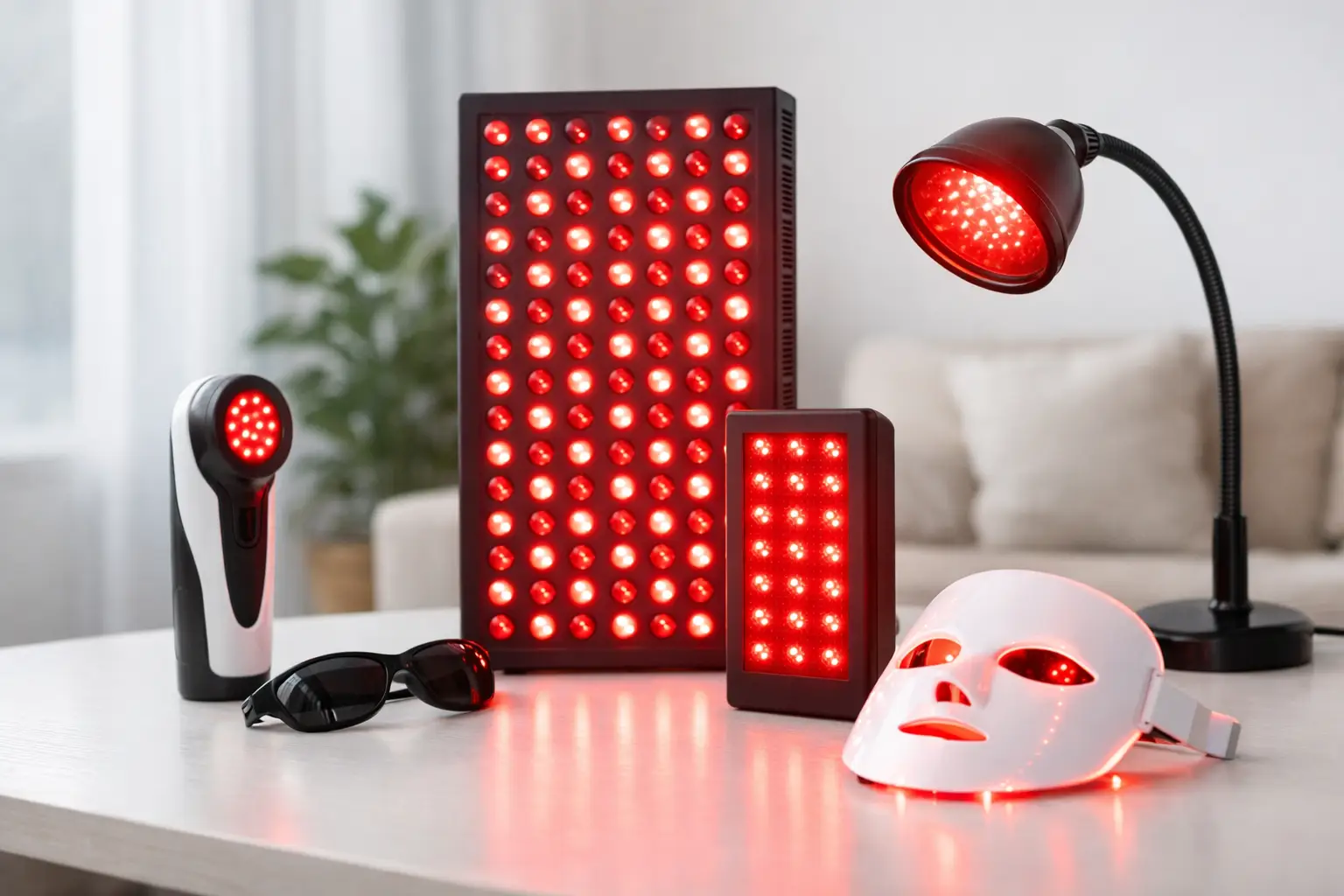
A lot of home wellness equipment looks impressive until you ask a simple question: will it deliver enough performance to justify the floor space and the price? That is exactly the issue with the best home red light devices. The market is crowded with compact masks, portable panels, full-body towers, and hybrid systems, but the real difference comes down to output, treatment area, build quality, and whether the device fits how you will actually use it.
For serious residential buyers, red light therapy is no longer a novelty category. It sits alongside infrared saunas, compression systems, and recovery tools as part of a more intentional home wellness setup. The appeal is straightforward - support for skin rejuvenation, recovery, circulation, and overall wellness without having to book appointments or work around a clinic schedule. But not every device is built for the same result, and buying too small often becomes the most expensive mistake.
What separates the best home red light devices
The strongest devices are not just the ones with the longest feature list. They are the ones that combine proven wavelengths, sufficient power, practical treatment coverage, and dependable construction. If a unit looks sleek but treats only a small area at a time, the user experience changes fast. What sounds convenient on paper can turn into a slow routine that is hard to maintain.
For most buyers, the first major decision is treatment scope. If your goal is facial rejuvenation, a smaller targeted device may be enough. If you want broader recovery support for muscles, joints, back, legs, or full-body wellness, a compact facial unit will feel limited almost immediately. That is why many affluent home buyers move toward panel systems or larger architectural units rather than entry-level handheld devices.
Wavelengths matter too, but they are often oversimplified. Red light in the mid-600 nanometer range is commonly associated with skin-focused applications, while near-infrared wavelengths in the 800s are more often chosen for deeper tissue support. Many premium devices combine both, which makes them more versatile for users who want beauty and recovery benefits in one system. A single-wavelength device can still be effective, but it is usually best when the treatment goal is narrow and well defined.
Choosing the right type of red light device for home
Small targeted devices
These include handheld units, tabletop products, and facial masks. They tend to have lower barriers to entry and require less space, which makes them attractive for first-time buyers. They can make sense for users focused on facial appearance, occasional spot treatments, or travel-friendly convenience.
The trade-off is treatment efficiency. Smaller devices often require more sessions and more discipline because they cover less surface area. For someone who values speed and consistency, that can become frustrating. They are best viewed as focused tools, not full home wellness systems.
Mid-size panels
Panels are often the most practical middle ground. They offer better output and more coverage than handheld units without demanding the footprint of a full-body installation. A good panel can support skin health, post-workout recovery, and targeted muscle or joint applications while remaining realistic for a bedroom, gym, or dedicated wellness room.
This category appeals to homeowners who want meaningful performance without committing to a large-format unit. It also works well for families sharing one device because different users can treat different areas based on their goals.
Full-body systems
This is where residential wellness starts to overlap with professional-grade equipment. Full-body red light systems are designed for broader exposure, more consistent treatment positioning, and a more elevated user experience. They are ideal for buyers creating a true recovery or rejuvenation space at home.
The investment is higher, but so is the convenience. Instead of moving a small device from area to area, the user can complete a more comprehensive session in one setup. For buyers who already understand the value of premium wellness equipment, this format usually feels more aligned with long-term use.
How to evaluate performance without getting lost in marketing
When comparing the best home red light devices, the most useful question is not which product has the most claims. It is which product can deliver consistent sessions in a way that matches your lifestyle. Performance starts with irradiance and coverage, but real-world value also depends on session comfort, placement flexibility, and construction standards.
A device with strong output but awkward positioning may not get used often. A beautiful device with weak treatment power may be pleasant to own but underwhelming over time. The best systems balance technical performance with ease of use.
Cooling, timers, mounting options, and treatment distance all matter more than many buyers expect. So does noise level. If a unit feels disruptive in a home setting, usage tends to drop. Premium buyers should also pay attention to materials, warranty support, and service availability. High-end wellness equipment is not just a product purchase. It is a longer-term ownership decision.
Best home red light devices for different goals
For skin rejuvenation and anti-aging support
If your priority is complexion, tone, and visible skin enhancement, a targeted facial device or smaller panel can be enough, especially if you plan to use it consistently. Here, red wavelengths and session convenience matter most. A device that is easy to use several times a week often outperforms a more powerful system that sits idle.
That said, premium users often outgrow facial-only devices. A larger panel can still support skin-focused goals while giving you the option to treat the neck, chest, and other visible areas more efficiently.
For muscle recovery and performance enhancement
Recovery-focused buyers usually need more coverage and stronger output. Near-infrared capability becomes more important here, as does the ability to treat larger muscle groups without spending excessive time repositioning the unit. Mid-size or large panels are usually the better fit.
This category makes particular sense for home gym owners, active households, and anyone layering recovery technologies together. Red light can complement compression, sauna use, and mobility work as part of a broader performance routine.
For whole-body wellness and premium home spa design
If the goal is to create a more advanced wellness environment, full-body systems stand out. They offer a more polished experience and better support routine use. This is especially relevant for homeowners investing in dedicated spa, beauty, or recovery spaces where aesthetics and convenience matter as much as the treatment itself.
In this setting, the device is not just functional. It becomes part of the room's value and daily usability. Buyers in this category are usually better served by professional-grade equipment than by consumer gadgets.
When a cheaper device is enough and when it is not
There are cases where a lower-cost device is perfectly reasonable. If you are new to red light therapy, focused on one small treatment area, or testing whether the habit fits your routine, a compact entry point can make sense. It keeps the commitment manageable.
But if you already know you want frequent use, broader treatment, or results that justify a premium purchase, buying too small can slow you down. Many homeowners start with a low-output device and then replace it within a year because it does not fit their needs. In those cases, the lower upfront cost is not really savings.
For higher-end residential buyers, the smarter approach is often to assess the end goal first. If your vision is a serious home wellness space, invest accordingly. That usually means better coverage, stronger engineering, and support from an equipment partner that understands installation, service, and long-term ownership.
What premium buyers should look for before purchasing
The best home red light devices should feel credible before the first session. Look for realistic treatment claims, clear specifications, and a design that fits your available space. Ask whether the device is intended for occasional cosmetic use or more comprehensive daily wellness support. Those are very different products.
It also helps to think beyond the device itself. Financing options, service support, replacement access, and brand stability matter more as equipment prices rise. This is where a supplier with experience in professional wellness equipment has a clear advantage. Companies such as Sun Spa Wellness operate in categories where performance, uptime, and buyer confidence are expected, not optional.
A strong home setup should never feel like a compromise version of a professional experience. It should feel intentional, well built, and easy to keep using.
The right red light device is not the one with the loudest marketing. It is the one that fits your goals, your space, and your standards well enough that it becomes part of your routine instead of another piece of equipment you meant to use more often.
