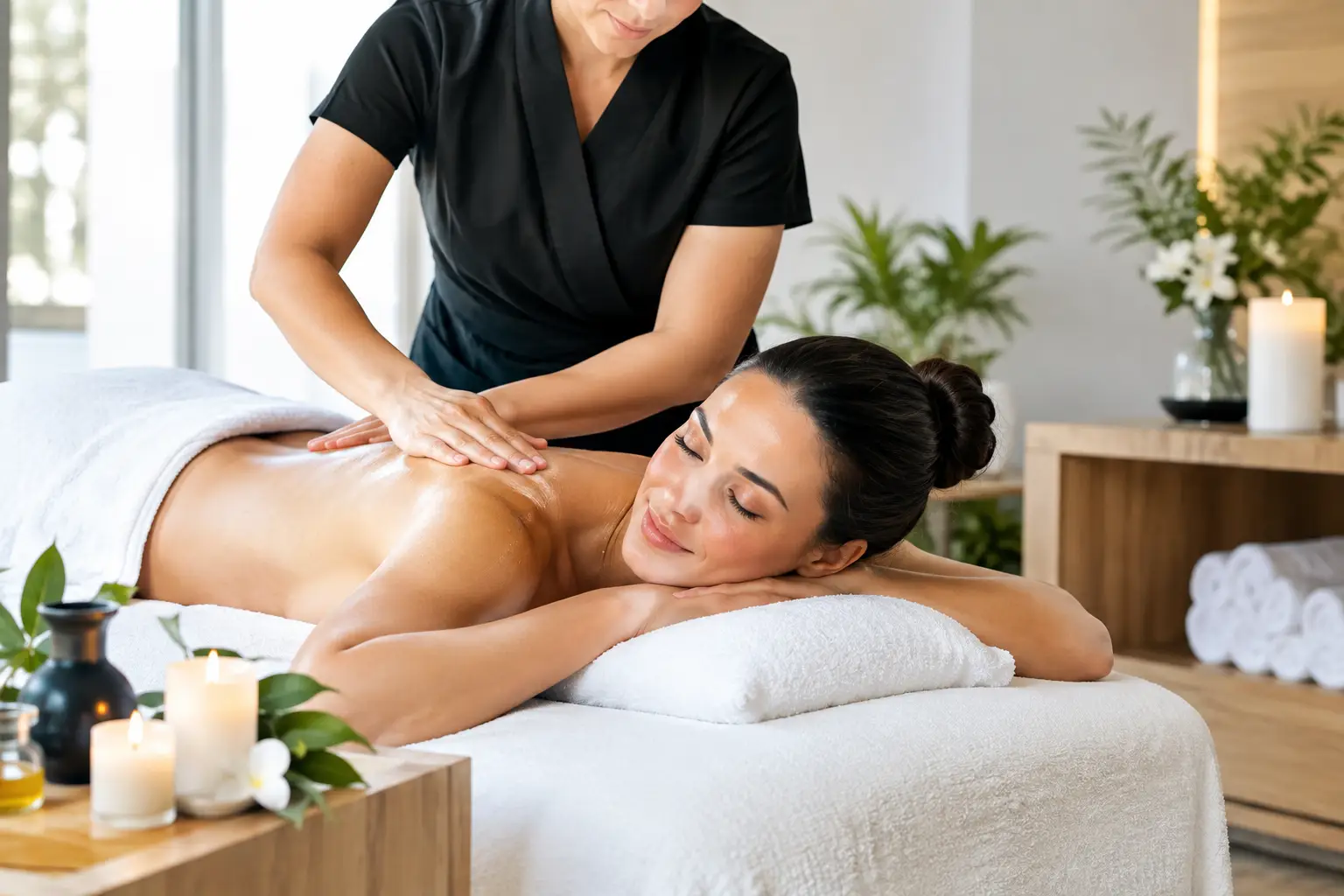
A spa does not grow by adding more appointments to an already familiar menu. It grows when clients have a reason to return more often, spend with greater confidence, and choose your business over the facility down the street. The best spa revenue services create that reason by pairing visible or felt wellness outcomes with premium experiences clients can understand, book, and repeat.
For salons, med spas, recovery studios, and wellness centers, the strongest revenue opportunities are no longer limited to traditional facials and massage. Advanced equipment can expand a service menu into recovery, rejuvenation, body shaping, relaxation, and performance enhancement. The right mix depends on your market, available space, staffing model, and client base, but every investment should answer one question: Will this service produce a compelling client outcome and a repeatable revenue stream?
What Makes the Best Spa Revenue Services Work?
High-performing services solve a clear client need without creating unnecessary operational complexity. A client should quickly understand why they are booking: they want to relax, support workout recovery, improve the appearance of their skin, pursue body-contouring goals, or add a restorative ritual to a busy week.
The best services also have an efficient delivery model. Equipment-based wellness sessions can often be scheduled in consistent time blocks, require limited hands-on labor after onboarding, and fit naturally into packages or memberships. That does not mean every technology is passive or unattended. Staff training, client screening, sanitation, and service protocols remain essential. It means the revenue model can be more scalable than services that require a provider for every minute of every appointment.
Finally, the service must feel premium. Clients paying for high-end wellness experiences notice design, privacy, cleanliness, ease of use, and how confidently your team explains the benefits. A powerful piece of equipment placed in a poorly considered room will not command the same price as a polished, outcome-focused experience.
Revenue Services Worth Building Into a Modern Menu
Red light therapy for consistent wellness visits
Red light therapy has become a strong fit for businesses that want a modern, approachable recovery and rejuvenation offering. Clients often seek it as part of a broader routine focused on skin appearance, relaxation, and post-workout recovery support. Its appeal is simple: sessions are typically short, comfortable, and easy to schedule around a client’s existing day.
From a revenue perspective, red light therapy performs best when sold as a recurring service rather than a one-time novelty. Monthly memberships, multi-session packages, and upgrades attached to tanning, fitness, massage, or aesthetic services can create dependable visit frequency. The right system should deliver a professional presentation, reliable performance, and a session experience that justifies premium positioning.
Cryotherapy for recovery and differentiation
Cryotherapy can give a recovery-focused business a sharp competitive edge. Athletes, active adults, and wellness-minded clients are drawn to the cold-exposure experience for post-exercise recovery support, temporary relief from minor muscle soreness, and the energizing feeling of a quick session.
This category is especially effective for recovery studios, upscale fitness facilities, chiropractic-adjacent wellness businesses, and med spas with clients who prioritize performance. It can also work as a premium introduction to a broader recovery membership. The trade-off is that cryotherapy requires careful operational planning, appropriate staff education, clear safety procedures, and a client experience that feels guided rather than intimidating.
Infrared sauna for high-value relaxation and detox positioning
Infrared sauna sessions remain one of the most adaptable ways to generate wellness revenue. Clients recognize the value proposition immediately: heat, relaxation, a private retreat, and a routine that supports their sense of well-being. Depending on the model and room layout, sauna can serve one client, couples, or small groups.
For operators, the opportunity lies in treating sauna as more than a room rental. Create a defined experience with comfortable timing, hydration guidance, towels, ambient lighting, and optional recovery add-ons. Pairing an infrared sauna visit with halotherapy, compression therapy, or red light therapy can increase ticket value while giving clients a more complete wellness ritual.
Compression therapy for memberships and recovery packages
Compression therapy is an accessible entry point into recovery services. It is easy for clients to understand, particularly runners, gym members, travelers, and people who spend long hours on their feet. Sessions can be positioned around circulation support, relaxation, and recovery after physical activity.
Because compression sessions are typically comfortable and convenient, they work well as a recurring membership benefit or an add-on while a client waits for another appointment. They also help fill shorter blocks in the schedule. A studio that offers compression as part of a defined recovery circuit can encourage clients to experience multiple modalities during each visit rather than booking a single low-ticket service.
Body contouring for outcome-driven client relationships
Body contouring can support higher-ticket packages when it is marketed responsibly and paired with realistic expectations. Clients pursuing appearance and body-shaping goals often value structured plans, progress tracking, and a professional environment more than a single standalone session.
This category requires a stronger consultation process than a simple relaxation service. Your team should clearly explain the technology, appropriate candidates, expected treatment cadence, and any relevant guidelines. The commercial advantage is significant when the service is built around a multi-session program, but success depends on disciplined consultations and ethical, accurate claims.
Turn Equipment Into a Revenue System
Buying premium equipment is only the first part of the business decision. The more important work is designing how that equipment earns. Start with a service name that makes the outcome and experience clear. “Recovery Reset,” “Radiance Session,” or “Heat and Restore” will usually be easier for clients to understand than a menu of device names.
Next, build a pricing ladder. A first-time session lowers the barrier to trial, while packages reward commitment and memberships encourage consistent attendance. Avoid discounting so deeply that the service loses its premium value. Instead, make the next step feel more valuable: include a monthly session allowance, preferred pricing on upgrades, or priority booking for members.
Bundling is particularly effective when the modalities complement each other. A red light therapy session followed by compression therapy creates a logical recovery pairing. An infrared sauna session with halotherapy can become a restorative escape. A body contouring plan can include follow-up wellness sessions that keep the client engaged between appointments. The goal is not to force every client into the same path. It is to give your team credible options based on the reason that client came in.
Staff language matters as much as package structure. Train employees to ask what the client wants from the visit, then recommend the most relevant next service. A client who mentions marathon training should hear about recovery options. Someone focused on a refreshed appearance may be a fit for light-based rejuvenation services. Recommendations should feel informed and helpful, never scripted or pressured.
Choose Equipment for Operations, Not Just Features
A lower purchase price can be expensive if a system does not fit your workflow, lacks dependable service support, or fails to deliver the premium appearance your brand requires. Before selecting a modality, evaluate the full operating picture: installation requirements, electrical needs, ventilation, room size, cleaning procedures, warranty coverage, maintenance expectations, and training needs.
Consider your capacity honestly. A high-demand service needs a location that clients can access easily and a scheduling process that prevents gaps. A device that requires substantial staff oversight may be the right choice for a concierge-style med spa, while a semi-private, self-guided experience may better suit a busy recovery studio. There is no universal winner. The best investment is the one that matches your client volume and service standards.
A full-service equipment partner can make this decision less fragmented. Sun Spa Wellness supports commercial operators with advanced wellness technologies alongside financing, maintenance, service resources, and trade-in options, helping buyers plan beyond the initial purchase.
Measure What Actually Drives Profit
Revenue alone does not tell you whether a new wellness service is performing. Monitor utilization, average revenue per visit, package conversion, membership retention, rebooking rate, and revenue generated per square foot. These numbers reveal whether a modality is becoming a dependable business line or simply attracting occasional curiosity.
Also watch the relationship between acquisition and retention. An attention-grabbing technology may bring clients through the door, but the strongest long-term return comes when those clients adopt a routine. That is why recovery, relaxation, and rejuvenation services often work so well together: they give clients several reasons to return as their needs change.
The most valuable addition to your menu is not necessarily the newest device or the most talked-about trend. It is the service your team can present confidently, your clients can experience comfortably, and your business can deliver consistently enough to become part of their regular wellness routine.
