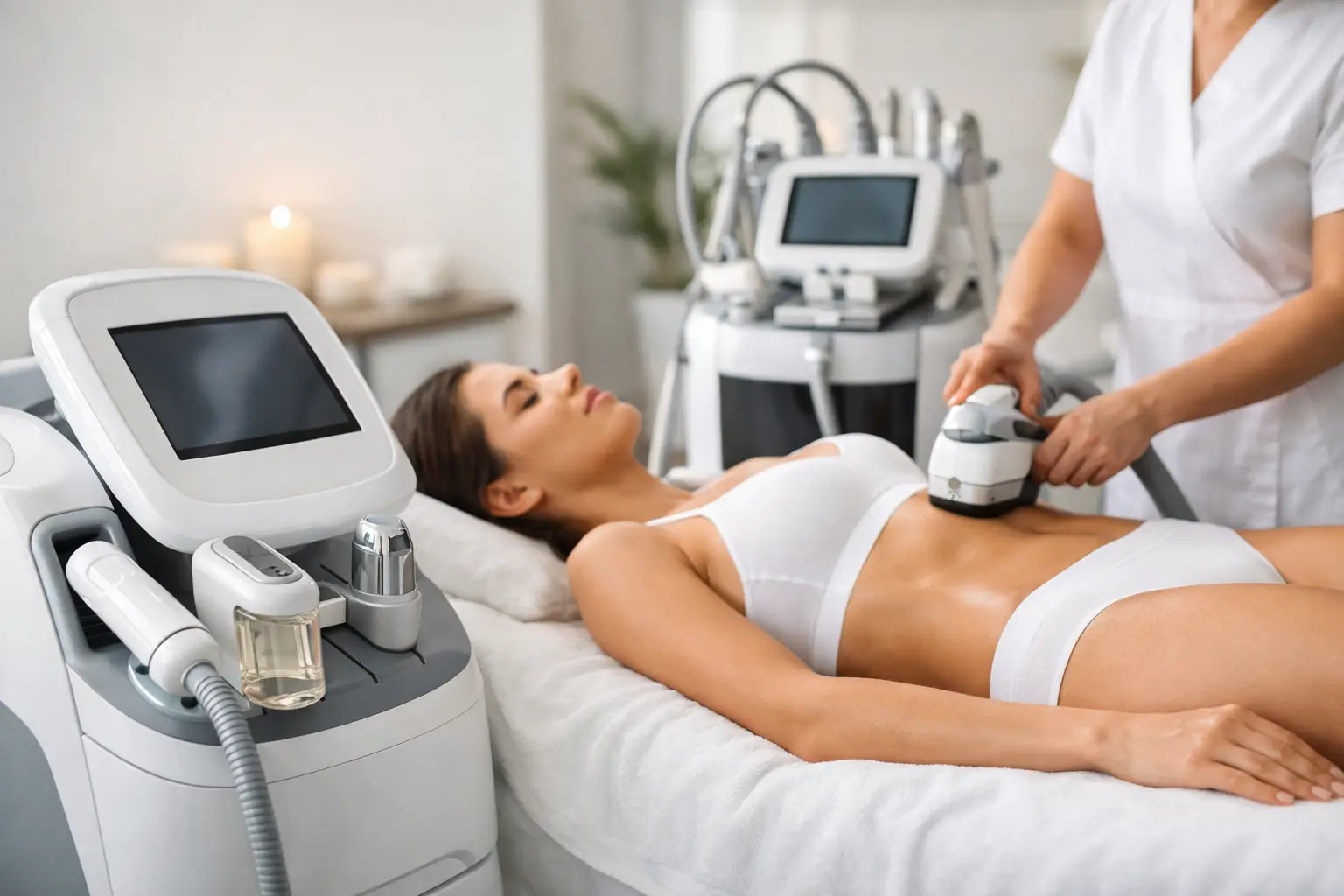
A new body contouring service can look compelling on a treatment menu. The real question is whether it will earn its floor space, fit your staff workflow, and give clients a reason to return. The right body contouring equipment for spa operators does more than add a trendy modality. It creates a high-value pathway into body shaping, skin enhancement, circulation support, relaxation, and wellness-focused maintenance plans.
For a med spa, salon, recovery studio, or premium home spa, the best investment starts with a clear service strategy. Technology matters, but so do treatment time, room requirements, training needs, client comfort, and the revenue model behind every session.
What Body Contouring Equipment Should Deliver
Body contouring is not one category with one outcome. Depending on the technology, a system may be designed to support the appearance of smoother skin, temporary circumference reduction, improved circulation, lymphatic-style drainage support, muscle stimulation, or a more sculpted-looking physique. Many clients are not looking for a single appointment. They want a program that fits an event, fitness goal, recovery routine, or ongoing self-care plan.
That makes versatility valuable, provided it does not complicate operations. A device with multiple modalities can help an operator build customized protocols and accommodate different client goals. On the other hand, a focused system may be the stronger choice for a business that wants a straightforward signature treatment with a fast consult-to-service workflow.
Premium equipment should feel intentional from the client’s first impression. Modern design, comfortable applicators, intuitive controls, and a professional treatment-room presence all contribute to perceived value. In a competitive market, clients often judge the experience as much as the technology.
Choosing Body Contouring Equipment for Spa Services
Start by defining who will use the device and how it will be positioned. A busy med spa may need high-throughput equipment that supports packaged sessions and can be delegated confidently to trained staff. A boutique wellness studio may prioritize a relaxing, noninvasive experience that pairs naturally with infrared sauna, red light therapy, compression therapy, or recovery services. A residential buyer may place more weight on compact dimensions, ease of use, and a refined home-wellness aesthetic.
The equipment itself should match that use case. Before selecting a system, evaluate four practical areas:
- Technology and treatment objective: Understand what the system is designed to do, the areas it can treat, and the type of client outcome it can reasonably support.
- Operating requirements: Confirm electrical needs, room size, ventilation considerations, mobility, cleaning procedures, and expected appointment length.
- Training and client protocols: Ask how easily staff can learn the system, whether protocols can be standardized, and what consultation or screening process is appropriate.
- Ownership support: Consider warranty coverage, maintenance access, service responsiveness, financing options, and the availability of replacement parts over time.
These details determine whether a device becomes a revenue-producing asset or an underused piece of equipment. The lowest purchase price is not always the lowest-cost decision if downtime, difficult training, or limited support interrupt service delivery.
Match the Technology to Your Menu
Radiofrequency-based systems are commonly selected for services centered on skin appearance, warmth-based comfort, and body shaping protocols. Ultrasound and cavitation-style technologies may appeal to businesses building noninvasive body-sculpting menus. Vacuum therapies can be incorporated into protocols focused on massage, circulation, and the appearance of cellulite. Electrical muscle stimulation may suit performance-oriented studios and clients who want a more active body-conditioning experience.
There is no universal winner. A luxury day spa may benefit from modalities that feel calming and ritual-driven, while a fitness recovery studio may see stronger demand for equipment that aligns with body performance and muscle-focused programs. Med spas often need a system that supports a polished consultation process and clear treatment planning.
Avoid buying based on a broad claim alone. Ask what a typical session looks like, how many sessions are commonly recommended, what clients can expect to feel, and how the service fits alongside your existing offerings. Claims should always be presented responsibly, with appropriate client screening and realistic expectations. Results can vary based on the individual, lifestyle, treatment plan, and the specific technology used.
Build a Service Model, Not Just a Treatment
Body contouring is often most profitable when it is sold as a planned experience rather than an isolated appointment. Packages create a more consistent client journey and make scheduling easier to forecast. They also give staff a natural way to pair services based on each client’s preferences and goals.
For example, a body shaping series may be positioned with wellness-supporting add-ons such as red light therapy, infrared sauna sessions, compression therapy, or dry floatation. The combination should make sense for your brand and be described accurately. It should not be framed as a substitute for medical care, nutrition guidance, exercise, or a healthy lifestyle.
The consultation is where premium positioning begins. Train staff to explain the technology in clear language, discuss comfort and timing, identify contraindications, and recommend a practical treatment schedule. A thoughtful consultation protects the client experience while helping your team avoid overpromising.
Pricing should reflect more than the cost of the session. Factor in operator time, consumables, room turnover, marketing, staff training, service agreements, and the value of the overall experience. A premium-looking device in a premium setting can support a stronger price point, but only if the process feels organized and the team can confidently explain why the service is worth it.
Measure Performance After Installation
Once equipment is in place, track the metrics that show whether the investment is working. Look at consultation-to-booking conversion, package attachment rate, repeat visits, average revenue per client, treatment-room utilization, and staff adoption. These numbers will tell a more useful story than social media interest alone.
If bookings are slow, the issue may not be the equipment. The service may need clearer positioning, more visible before-and-after expectation setting where permitted, a stronger consultation script, or better integration into existing packages. Sometimes the best adjustment is operational: shorter appointment blocks, a dedicated body-contouring day, or staff incentives tied to compliant package sales.
Why Equipment Support Matters Long After Purchase
Body contouring equipment is a capital investment, and the purchase experience should account for the years after delivery. Installation guidance, financing, maintenance resources, service access, and trade-in options can have a meaningful impact on long-term ownership. This is especially relevant for commercial buyers who cannot afford prolonged downtime or uncertainty when a system needs attention.
Working with a supplier that understands the wider wellness environment can also make menu planning more strategic. Sun Spa Wellness supports buyers across body contouring, recovery, rejuvenation, tanning, and wellness technologies, giving operators the opportunity to think beyond a single device and build a more complete client experience.
For home buyers, support is equally important. Professional-grade equipment should be selected with a realistic view of space, power requirements, routine care, and how often it will actually be used. The best home setup is not necessarily the largest system. It is the one that fits the home, supports the owner’s goals, and feels easy to incorporate into a regular wellness routine.
Choose for Confidence, Not Hype
The body contouring category rewards businesses that make disciplined decisions. Choose technology that aligns with your ideal client, supports a well-defined service menu, and can be operated consistently by your team. Give clients a premium experience, set realistic expectations, and build packages that encourage meaningful repeat engagement.
When the equipment, protocol, and business model work together, body contouring becomes more than another service on the menu. It becomes a credible reason for clients to choose your spa again.
