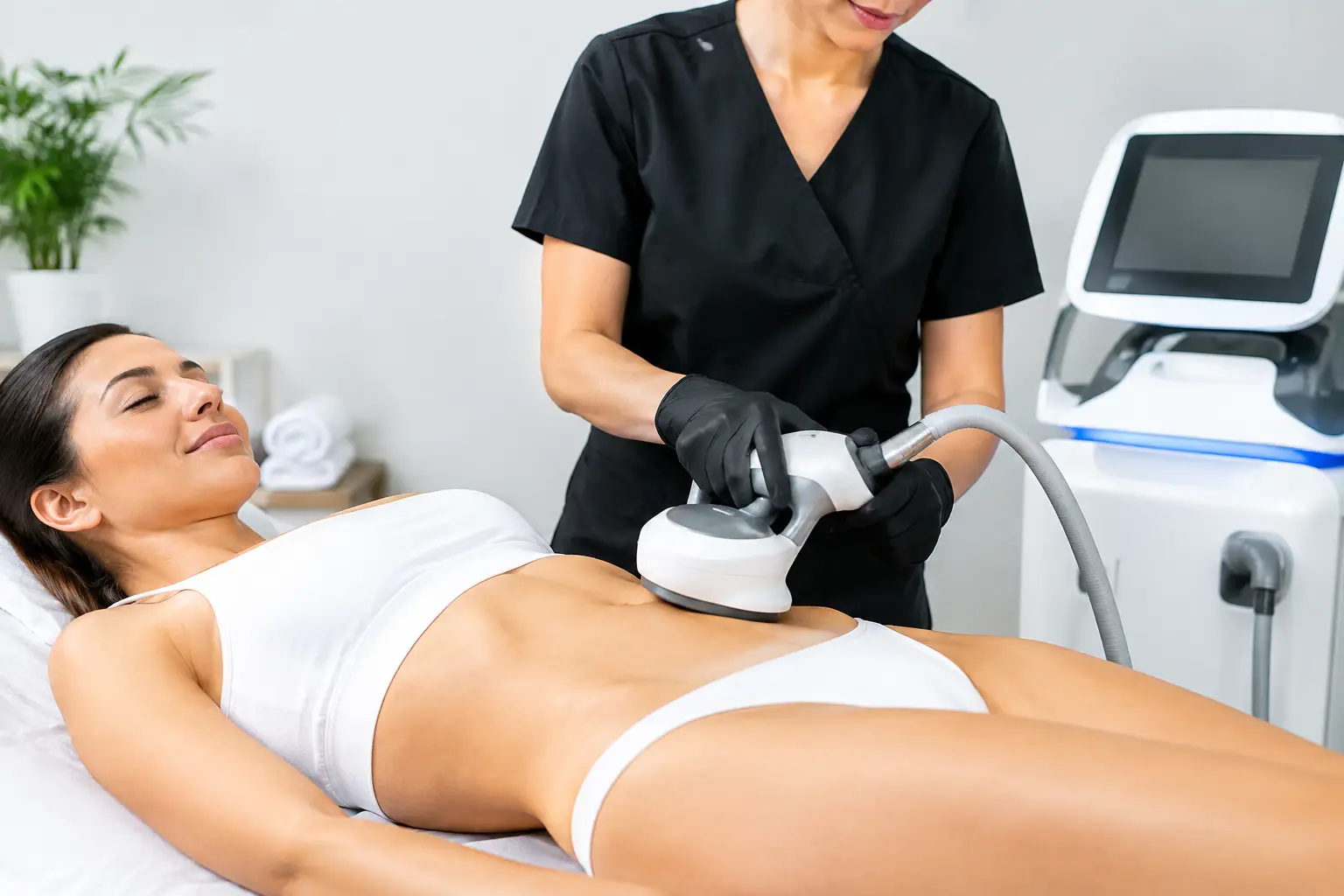
Clients rarely ask for a technology first. They ask for a firmer-looking midsection, more definition, smoother skin, or help reaching a body-shaping goal that training alone has not delivered. The right body contouring technologies allow a salon, med spa, recovery studio, or home wellness space to answer that demand with a premium, noninvasive service experience.
For operators, the opportunity is not simply adding another device to the floor. It is choosing equipment that fits the business model, earns client trust, produces a comfortable experience, and can be packaged into services clients understand and return for. For residential buyers, the decision is about professional-grade performance, convenience, and an investment that complements a larger wellness routine.
What Body Contouring Technologies Are Designed to Do
Body contouring is a broad category, not one treatment. Depending on the system, a session may be designed to support the appearance of fat reduction, temporary circumference reduction, muscle toning, skin tightening, circulation, or the look of cellulite. Some platforms focus on one outcome. Others combine multiple modalities to create a more comprehensive body-shaping experience.
That distinction matters when evaluating equipment. A device that excels at warming tissue and supporting collagen-focused skin enhancement is not necessarily the best match for a client seeking visible muscle stimulation. Likewise, a system marketed around fat reduction may require a different treatment cadence, client profile, and consultation process than a technology built around lymphatic support or muscle activation.
The strongest purchase decisions begin with a clear service goal: What result do you want to be known for, and who will book it? A high-volume salon may prioritize efficient, approachable treatments with broad appeal. A performance-focused recovery studio may find more value in technologies that support muscle activation and circulation. A med spa may build a layered menu that pairs body shaping with skin rejuvenation and wellness services.
The Core Body Contouring Technologies to Compare
Radiofrequency for skin tightening and tissue warming
Radiofrequency, often called RF, uses controlled energy to warm targeted tissue. In body-focused applications, it is commonly selected for its skin-tightening and smoothing benefits. Clients may seek it for areas where skin texture, elasticity, or the appearance of cellulite is a concern.
RF can be a smart addition for businesses that want a treatment with a luxurious, spa-forward feel. The sensation is typically warm and comfortable when the system is properly used, which can help support repeat bookings. Results vary by client, treatment plan, lifestyle, and the specific technology used, so staff should set realistic expectations instead of presenting body shaping as an instant transformation.
Ultrasound and cavitation-focused systems
Ultrasound-based contouring systems are often used in services designed to address localized areas of unwanted fat. These technologies use sound-wave energy and are commonly positioned as a noninvasive alternative for clients who want body-shaping support without surgery or downtime.
The business appeal is straightforward: clients recognize the goal quickly. However, operators should look beyond a simple fat-reduction claim. Treatment protocols, safety features, applicator design, training needs, and recommended session frequency all influence whether a platform is practical in daily operation. Consultation is especially important, since not every client is an appropriate candidate for every energy-based service.
Cryolipolysis for targeted cooling
Cryolipolysis uses controlled cooling in an effort to target fat cells in selected areas. It is one of the most recognizable categories in noninvasive body contouring, particularly among clients seeking a more focused approach to areas such as the abdomen, flanks, thighs, or upper arms.
This category can command premium pricing, but it also calls for careful operational planning. Applicator placement, treatment time, room utilization, consumables, client comfort, and proper screening all affect profitability. A lower equipment price does not automatically mean a better investment if the unit slows turnover, creates excessive service requirements, or lacks the build quality needed for consistent performance.
EMS and HIFEM for muscle-focused shaping
Electrical muscle stimulation, or EMS, and high-intensity focused electromagnetic technologies are designed to stimulate muscle contractions. These systems are often positioned for toning, strengthening, and improving the appearance of muscle definition. They can be particularly compelling for fitness-minded clients, body-conscious consumers, and wellness members who want a technology-assisted complement to an active lifestyle.
The value proposition is different from fat-focused modalities. Rather than framing the service as a replacement for movement, nutrition, or training, successful operators position it as a performance-oriented addition to a broader body and recovery strategy. This makes EMS and HIFEM especially compatible with gyms, recovery studios, and premium home wellness environments.
Vacuum, mechanical massage, and lymphatic support
Vacuum-assisted and mechanical massage technologies are frequently used in services focused on circulation, temporary reduction in the appearance of cellulite, fluid movement, and post-workout recovery. They can also complement other contouring modalities by creating a more complete treatment experience.
These systems may be easier to introduce than higher-intensity energy devices, depending on the platform and intended use. They can fit well within packages that combine body shaping, relaxation, and recovery. The trade-off is that their market positioning must be clear. If clients expect dramatic fat reduction from a service better suited to circulation and skin appearance, satisfaction will suffer.
Build a Service Menu Around Outcomes, Not Device Names
Clients do not need a lesson in every modality before they book. They need to understand what the service may help them achieve, how it feels, how long it takes, and what type of plan is recommended. Device names can support credibility, but outcome-led service design drives conversions.
For example, a studio may organize treatments around skin smoothing, core toning, targeted body shaping, or recovery support. During the consultation, staff can then recommend the technology or combination of technologies that aligns with the client’s goals, comfort level, and health history.
Packages are often more commercially effective than single sessions because body contouring typically involves a series. A package also gives the operator room to combine complementary services, such as infrared sauna, red light therapy, compression therapy, or recovery-focused treatments, where appropriate. The goal is not to bundle equipment randomly. It is to create a clear client journey with a logical reason for each service.
What Professional Buyers Should Evaluate Before Purchasing
A body contouring device is a capital investment, not an impulse addition. The best platform for one operation can be the wrong fit for another, even when both serve similar clients. Before choosing, evaluate the technology through an operational lens.
Start with treatment demand in your market. A luxury med spa may have the client base and treatment rooms for a premium, appointment-driven system. A salon expanding into wellness may need a versatile technology with an easier learning curve and a lower barrier to introducing packages. Home buyers may place greater weight on footprint, noise level, electrical requirements, and ease of use.
Then assess the equipment behind the marketing. Look for established manufacturing standards, clear operating protocols, quality applicators, dependable warranties, and access to service support. Advanced equipment only creates value when it remains operational. Financing availability, maintenance planning, trade-in opportunities, and technician access deserve the same attention as treatment features.
Training is equally important. Team members should understand contraindications, client screening, treatment setup, sanitation, documentation, and how to communicate realistic outcomes. Confident consultations protect the client experience and help the business avoid overpromising.
The Revenue Case for a Well-Chosen Platform
The strongest body contouring services create more than individual appointment revenue. They give clients a reason to return, create natural package opportunities, and help a business differentiate itself from competitors offering only basic aesthetic services.
Equipment utilization is the key metric. A premium unit that sits idle is expensive regardless of its capabilities. Before purchasing, model the number of weekly sessions needed to support the investment, the average package value, staff time per treatment, room turnover, and any ongoing consumable costs. A realistic model is more useful than an aggressive revenue projection.
Sun Spa Wellness helps professional operators and residential buyers evaluate advanced wellness equipment in the context of long-term ownership, from premium technology selection to financing, maintenance, and service support. That full-picture approach is especially valuable when building a body-shaping category that must perform for years, not just generate interest at launch.
The right technology should make your menu more credible, your consultations more focused, and your client experience more compelling. Choose the platform that supports the outcomes you can confidently deliver, then build the treatment plan and operational support around it.
