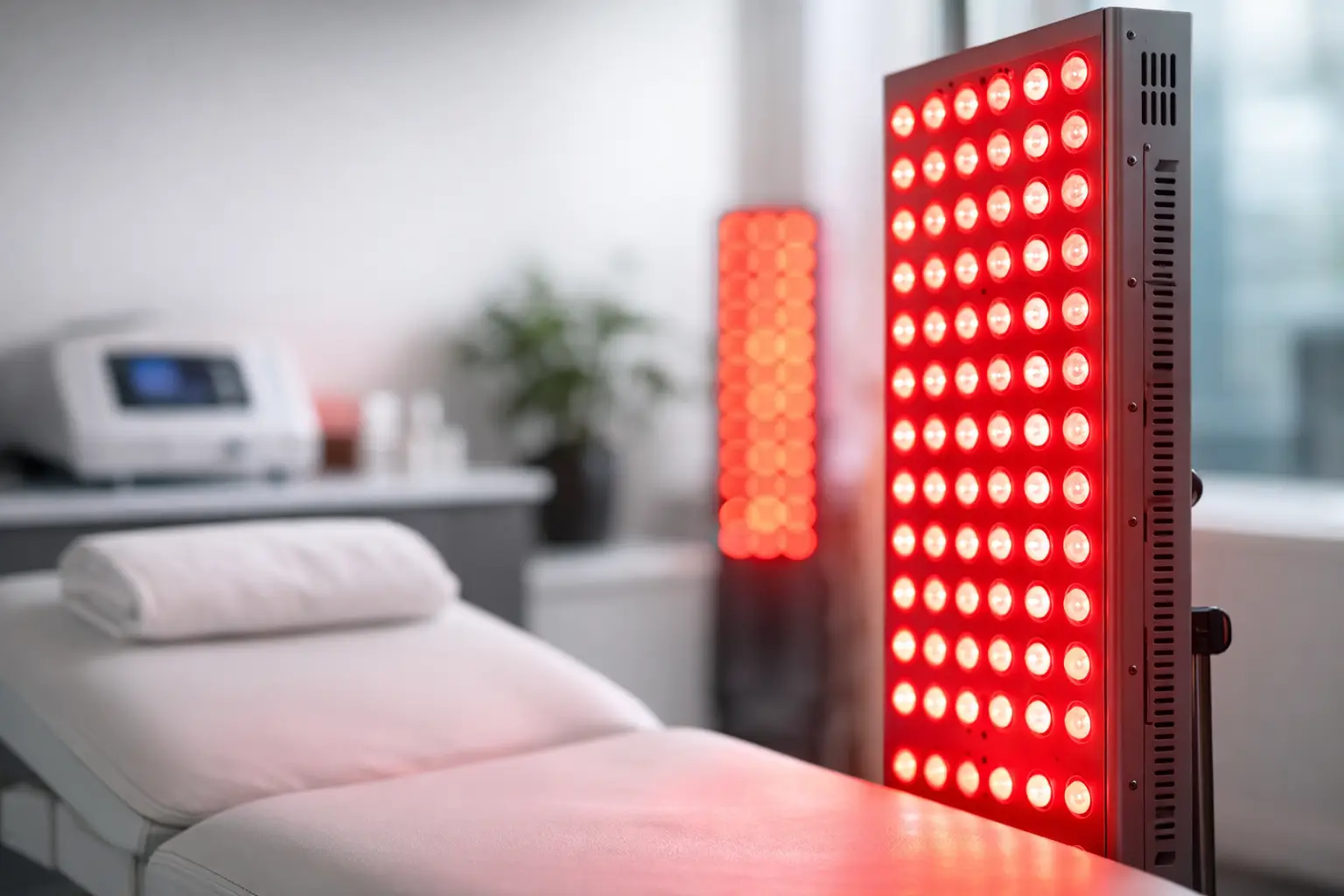
A red light therapy device can look impressive on a showroom floor and still be a poor fit for a busy studio. The difference is rarely just the price tag. This commercial red light therapy guide is built for operators who need equipment that supports a premium client experience, fits their workflow, and remains dependable long after installation.
For salons, med spas, recovery studios, fitness facilities, and high-end home wellness spaces, red light therapy can add a compelling rejuvenation and performance-focused service. The right system may help clients support skin appearance, circulation, relaxation, and post-workout recovery. But results, client comfort, and revenue potential depend on far more than choosing a panel with red LEDs.
Start With the Business Model, Not the Device
Before comparing wavelengths, decide what role red light therapy will play in your operation. A recovery-focused gym may prioritize fast, self-guided sessions and a layout that keeps members moving. A med spa may need a refined, full-body experience that complements facial aesthetics, body contouring, or other premium wellness services. A tanning salon may be looking for a non-UV, beauty-oriented offering that broadens its menu and appeals to clients who want skin rejuvenation without a tanning session.
This decision affects the type of unit you need. A stand-up booth or full-body bed creates a high-impact visual statement and may support a premium session price. A smaller panel requires less floor space and capital but may deliver a more limited treatment area or a less immersive experience. Neither format is automatically better. The right choice depends on your available space, desired appointment volume, client profile, and positioning.
Commercial buyers should also consider whether red light therapy will be sold as a standalone session, included in memberships, bundled with tanning or recovery services, or used as an amenity. Each model changes the return-on-investment calculation. A lower-priced service can drive membership retention; a premium full-body session can raise average ticket value. Build the offer first, then select equipment capable of delivering it consistently.
What Commercial Red Light Therapy Equipment Should Deliver
Commercial equipment must perform under frequent use. It should also feel elevated enough to justify its place in a professional environment. Clients notice the details: how easy the system is to enter, whether the session controls are intuitive, the quality of ventilation, the cleanliness of the design, and whether the treatment feels like a considered wellness experience rather than a DIY add-on.
Coverage and treatment format
Full-body coverage is often the strongest fit for businesses offering recovery, body rejuvenation, and high-end wellness services. A larger treatment area can make sessions more convenient and help create a premium perception. Beds, booths, and cabin-style systems may also simplify client positioning compared with smaller devices that require users to stand at a prescribed distance and turn during treatment.
That said, compact systems can make sense in targeted applications. A personal training studio, chiropractic office, or residential wellness room may value a smaller footprint more than full-body capacity. Be realistic about how clients will use the unit. Equipment that requires too much instruction or repositioning can slow turnover and make staff oversight more necessary.
Wavelengths and light output
Most professional red light therapy systems use red and near-infrared light, commonly in ranges associated with surface-level skin-focused applications and deeper tissue-focused recovery applications. Red light is frequently chosen for skin appearance and rejuvenation-oriented protocols, while near-infrared light is commonly included in systems positioned for muscle recovery, comfort, and performance support.
Specifications matter, but they need context. A wavelength list alone does not establish treatment quality. Ask how the manufacturer communicates irradiance or power density at the intended treatment distance, how evenly light is distributed across the body, and whether output is tested using a defined method. Extremely high output is not automatically the best answer if it compromises comfort, creates uneven exposure, or makes practical session timing difficult.
Look for clear, manufacturer-supported guidance rather than broad claims. The equipment should allow your team to communicate benefits responsibly: support for recovery, temporary relief of minor muscle and joint discomfort where appropriate, improved appearance of skin, and wellness-oriented relaxation. Avoid presenting red light therapy as a cure, diagnosis, or replacement for medical care.
Client controls and operational efficiency
A commercial device needs controls that protect the flow of your day. Preset timers, simple start functions, clear displays, and easy-to-clean surfaces reduce friction between appointments. If the unit is intended for self-service, clients should be able to understand the session process quickly without relying on a staff member every time.
Consider access, too. Can clients with different mobility levels comfortably use the system? Is there adequate room around the unit for cleaning and service? Does it need dedicated electrical requirements, and can your facility support them without costly changes? These practical details can have a larger impact on profitability than a small difference in a specification sheet.
Plan the Room as Part of the Experience
Red light therapy is a visual service. The room should reinforce the value of the equipment. A clean, private, well-ventilated space with clear pre-session instructions helps clients relax and return. In a recovery studio, place the service near complementary offerings such as compression therapy, infrared sauna, cryotherapy, or PEMF. In a salon or med spa, consider how the treatment fits with beauty and skin-focused services.
Privacy and cleanliness are especially important for full-body systems. Establish a repeatable cleaning protocol between clients using materials approved for the equipment. Train staff to inspect the unit, confirm timers and controls are functioning, and report any performance concerns immediately. A premium device should never feel neglected because the surrounding process is inconsistent.
Room planning should also account for heat management, power access, and traffic flow. Even a beautiful unit becomes an operational problem if clients must cross a busy retail area undressed, wait in a hallway, or navigate a cramped treatment room. Think like both an owner and a first-time guest.
Calculate Value Beyond the Purchase Price
The purchase price is only one part of the investment. A meaningful evaluation includes delivery, installation, electrical work, room preparation, staff training, cleaning supplies, warranty coverage, maintenance expectations, financing terms, and downtime risk. A less expensive unit can become costly if service support is difficult to access or replacement parts are slow to obtain.
Estimate revenue using conservative assumptions. Start with your expected session price, then model utilization at a modest number of sessions per day rather than an idealized full schedule. Factor in membership usage, promotional sessions, staff time, and the number of operating days per month. This gives you a more useful view of how the equipment may contribute to revenue and how quickly it may pay for itself.
For example, a full-body system can command a higher price per session than a small panel, but it also requires more capital and floor space. A smaller device may reach payback sooner in a lean startup model, while a premium bed or booth may better serve an established operation with strong traffic and a luxury brand position. The best investment is the one your market can support and your team can operate well.
Questions to Ask Before You Buy
Ask the supplier how the unit is designed for commercial use, what service coverage is available in your area, and how warranty claims are handled. Confirm lead times, installation needs, ongoing maintenance requirements, and whether training is included. If financing is part of the purchase, review the total cost and payment structure alongside your projected monthly revenue.
You should also ask for the details that affect client experience: session duration, recommended usage guidance, cleaning instructions, room requirements, controls, ventilation, and accessibility. A trusted equipment partner should be able to discuss the device's role in your service menu, not simply repeat technical specifications.
Sun Spa Wellness works with commercial operators who need premium wellness equipment backed by purchasing guidance, service resources, and long-term operational support. That broader support can matter as much as the technology itself when your business relies on equipment availability and client confidence.
Create a Launch Plan That Builds Repeat Visits
A red light therapy launch should not stop at installation. Give staff a simple consultation script that explains what the service is, who may benefit from it, what clients can reasonably expect, and when they should consult a healthcare professional. Consistent language prevents overpromising and makes the service easier to sell with confidence.
Offer a first-session introduction, then direct clients toward a package or membership pathway that reflects the recommended cadence for your equipment and program. Position red light therapy around a clear outcome: recovery support for athletes, skin-focused rejuvenation for beauty clients, or a restorative wellness ritual for members managing high-stress routines. Broad messaging tends to underperform because clients need to see how the service fits their own goals.
The strongest commercial red light therapy programs are not built around flashy claims. They are built around reliable equipment, thoughtful treatment design, educated staff, and an experience clients want to repeat. Choose a system that makes those standards easier to deliver every day.
