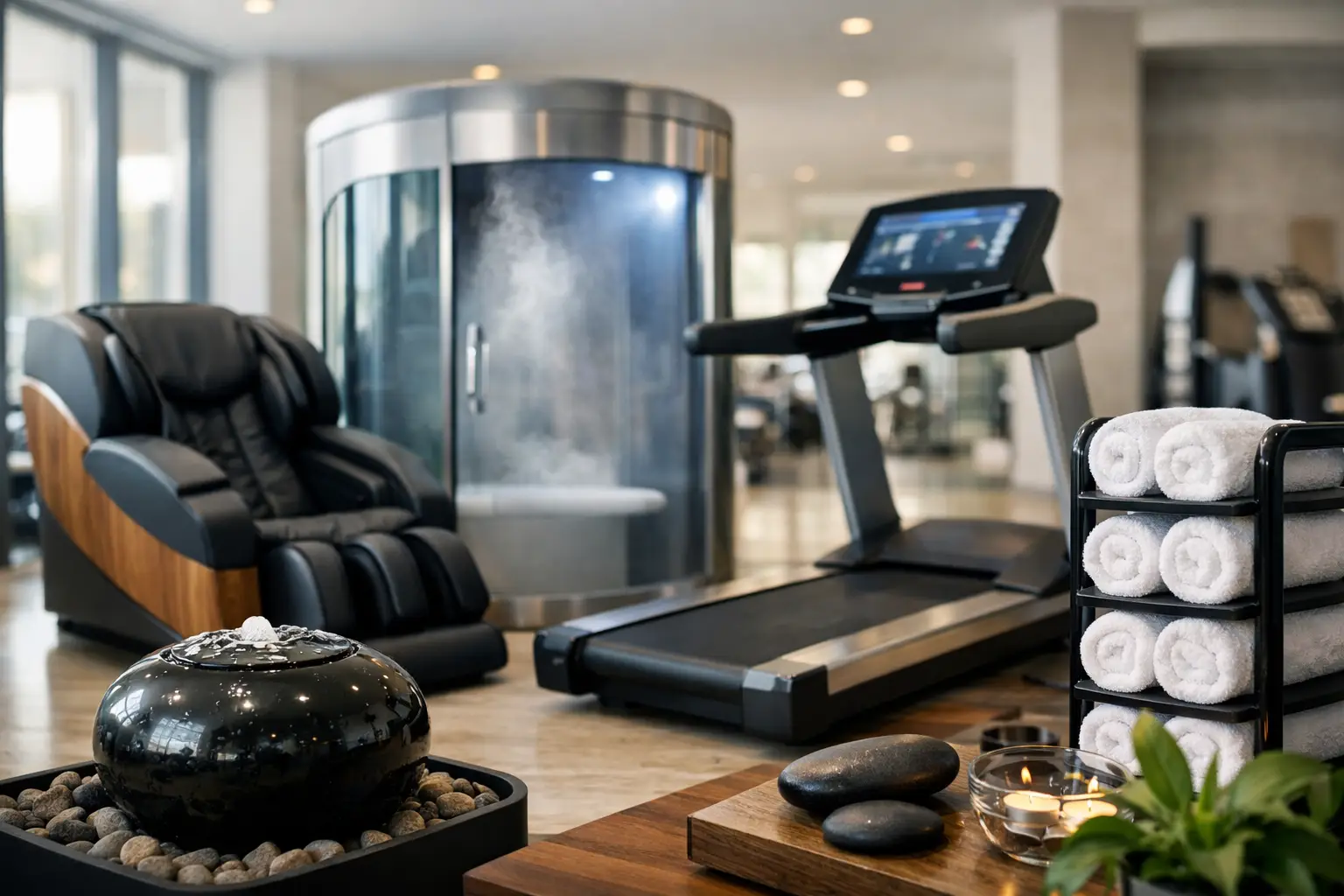
A new wellness room can look impressive on paper and still underperform the moment it opens. The difference usually comes down to equipment selection. A smart commercial wellness equipment guide is not just about picking popular machines. It is about choosing systems that fit your space, client demand, service model, staffing, and revenue goals from day one.
For salon owners, med spas, recovery studios, and wellness entrepreneurs, equipment is more than a purchase. It is a business decision that affects client retention, treatment pricing, maintenance costs, and brand positioning. The strongest operators do not buy based on hype. They build a service mix that creates visible results, supports efficient operations, and gives clients a reason to come back.
How to use this commercial wellness equipment guide
Start with a simple question: what do you want the equipment to do for your business? Some categories are built to drive relaxation and lifestyle appeal. Others are designed around recovery, performance enhancement, detox, body shaping, or skin-focused rejuvenation. The right answer depends on your customer base and how you plan to monetize the service.
If your clientele is driven by aesthetics, UV tanning, LED light systems, body contouring, and red light therapy may make sense. If you serve athletes, busy professionals, or post-workout recovery clients, cryotherapy, compression therapy, PEMF, and dry floatation often fit better. If your business leans into premium wellness, infrared saunas, halotherapy, and hyperbaric systems can elevate both pricing and perceived value.
That mix matters because the most profitable equipment lineup is rarely made up of random bestsellers. It is a curated group of services that work together. A client may come in for tanning, add red light, and later purchase compression or sauna sessions as part of a monthly package. That is where equipment strategy turns into recurring revenue.
Choose equipment by business model, not trends
Trends can bring attention, but they do not always bring sustainable demand. Before investing, look at how a device fits your operating model. A high-ticket chamber with low usage may be less profitable than a simpler service with consistent daily volume. On the other hand, a premium flagship system can be a strong move if it helps position your business at the top of the market.
Studios with membership models often benefit from services that are easy to repeat frequently, such as compression therapy, infrared sauna, red light therapy, and PEMF. These modalities support ongoing wellness habits and can increase member engagement. Appointment-based businesses may do better with higher-ticket sessions like cryotherapy, hyperbaric therapy, dry floatation, or body contouring, where each visit carries stronger individual revenue.
Space and staffing also affect the decision. Some systems are compact, easy to operate, and ideal for self-guided sessions with minimal staff involvement. Others require more hands-on orientation, clinical confidence, or room buildout. The right choice is not always the most advanced unit. It is the one your team can run efficiently and your clients can understand and trust.
The categories that typically drive demand
Tanning and light-based systems remain powerful for beauty-focused operators because they deliver visible, lifestyle-driven results and strong repeat traffic. Modern LED solariums and premium UV beds also bring design appeal, which matters when your facility is competing on experience as much as outcome.
Recovery technologies continue to gain traction because they speak to a broader market. Cryotherapy, compression therapy, PEMF, and hyperbaric systems appeal to athletes, wellness-minded professionals, and clients looking for pain relief, circulation support, reduced soreness, and performance recovery. They also pair well with fitness centers and recovery studios that want to move beyond basic amenities.
Heat and relaxation categories like infrared saunas, halotherapy, and dry floatation perform well when the goal is stress relief, detox support, and premium self-care. These services tend to attract clients who value routine and are willing to pay for a more elevated experience.
Body contouring and red light therapy sit in a valuable middle ground. They connect with aesthetic goals while still supporting broader wellness messaging around skin enhancement, rejuvenation, circulation, and non-invasive recovery.
What separates premium equipment from expensive equipment
Not every high price tag signals long-term value. Premium commercial wellness equipment should deliver on four fronts: performance, design, durability, and support. If one of those is missing, the machine can become a liability.
Performance is about client outcomes and consistency. Does the system deliver the treatment experience clients expect? Can it handle repeated daily use without a drop in quality? Design matters because clients judge the service before the session starts. A sleek, modern system elevates perceived value and makes premium pricing easier to support.
Durability is where many buying decisions are won or lost over time. Commercial operators need equipment that can withstand real usage, not just showroom appeal. That means build quality, component reliability, and serviceability all matter. Support is just as important. Financing options, maintenance access, replacement parts, training, insurance guidance, and trade-in opportunities all reduce risk for the buyer.
This is why many operators prefer working with a full-service supplier rather than simply sourcing a machine. Sun Spa Wellness, for example, operates in that partner role by helping buyers access premium categories, financing pathways, service resources, and long-term equipment support. For businesses making major capital investments, that kind of infrastructure matters.
Questions to ask before you buy
The best equipment decisions usually come from sharper questions, not faster quotes. Ask how quickly the service can generate revenue. Consider session pricing, expected utilization, and whether the treatment fits memberships, packages, or upsells. A machine with strong treatment appeal but weak repeat behavior may need a different pricing model than one designed for frequent use.
You should also ask what the installation really involves. Some equipment needs little more than a dedicated room and electrical planning. Others may require ventilation, structural considerations, staff training, or compliance steps that affect your launch timeline.
Client education is another factor operators often overlook. Some services sell themselves visually. Others need stronger consultation and positioning. If your team will have to explain the benefit every time, you need a clear sales process and confident staff communication. The more advanced the modality, the more that matters.
Then there is the simple question of fit. Does the equipment align with your brand? A recovery-focused studio, luxury spa, tanning salon, and residential wellness room may all invest in premium technology, but they should not all buy the same mix.
Commercial versus residential buying priorities
Commercial and residential buyers often want similar technologies for different reasons. Commercial operators need throughput, ROI, maintenance planning, and treatment differentiation. Residential buyers usually focus on convenience, privacy, design, and access to professional-grade wellness at home.
That difference changes the buying process. A wellness center may prioritize service menu expansion and operational efficiency. A homeowner may care more about comfort, aesthetics, and daily usability. In both cases, though, quality still matters. Premium systems are not just about luxury. They are about consistent performance, safety, and confidence in the investment.
For residential buyers, the smartest approach is to think like an operator for a moment. Consider room size, power requirements, ongoing service needs, and how often the equipment will actually be used. A beautiful machine that does not fit the home or routine is not a smart buy.
Build a lineup that can grow with you
One of the biggest mistakes in wellness equipment purchasing is treating every decision as isolated. Strong operators think in phases. They may begin with one anchor category, then add complementary services as demand grows. That approach protects cash flow while creating a more cohesive client experience.
A tanning business might expand into red light therapy and body contouring. A recovery studio might begin with cryotherapy and compression, then add PEMF or hyperbaric therapy to deepen its performance offering. A spa might lead with infrared sauna and halotherapy, then introduce dry floatation to create a more exclusive experience.
The point is not to buy everything at once. It is to make each purchase support the next one. When equipment categories reinforce each other, your menu feels more intentional, your marketing becomes easier, and your clients have more reasons to stay loyal.
The best commercial wellness equipment guide is the one that helps you think beyond the machine itself. Look at what the service does for your client, what it does for your revenue, and what it does for your brand in a crowded market. When those three line up, the equipment stops being a cost and starts becoming a growth asset. Choose with that lens, and your next investment has a far better chance of paying you back for years.
