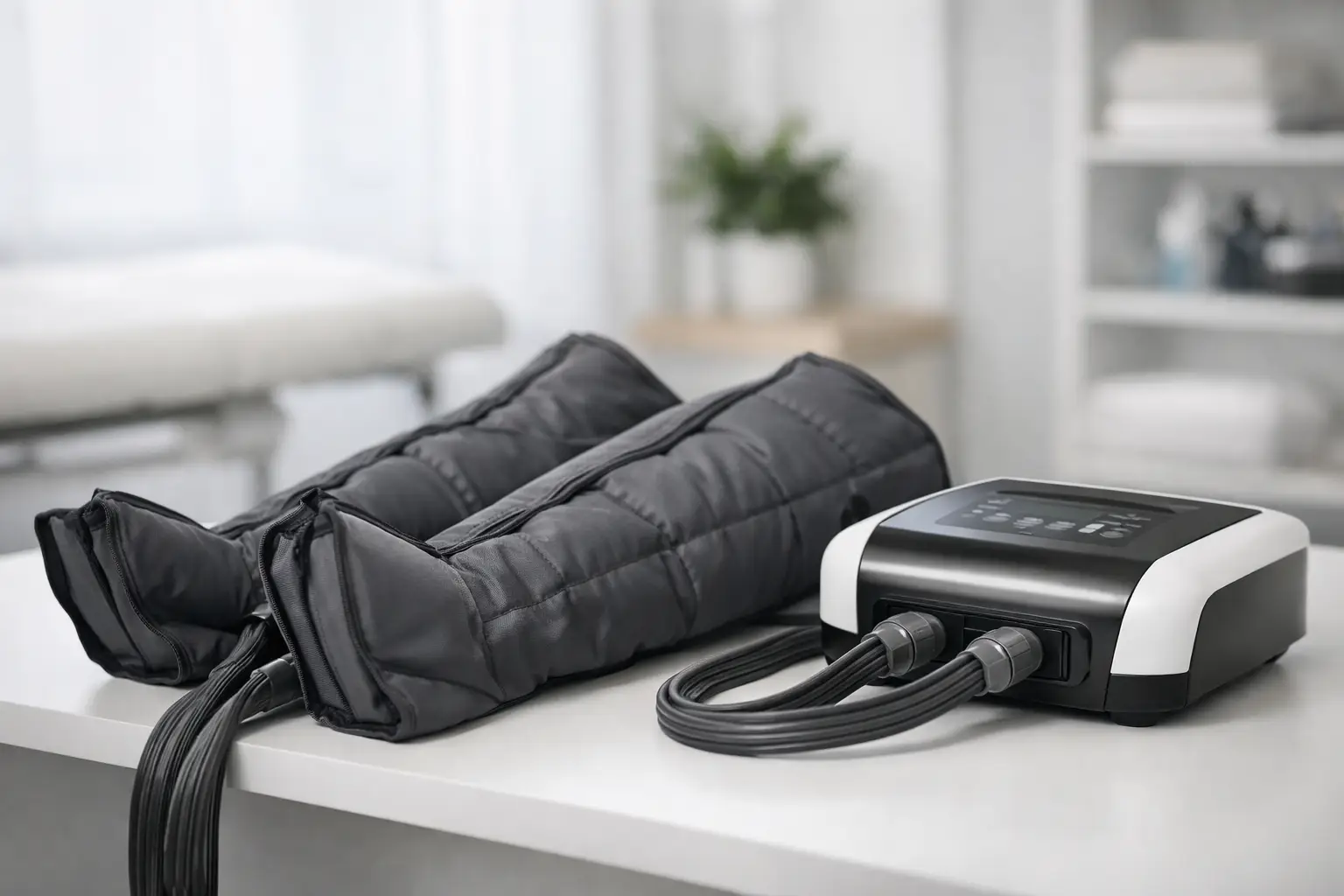
A compression therapy machine for sale is more than another recovery add-on. For a studio, salon, med spa, or fitness business, it can become a fast, approachable service that keeps clients returning between higher-ticket treatments. For a home wellness buyer, it brings professional-style recovery support within reach after training, travel, or demanding workdays.
The right system should feel premium to use, fit the way your space operates, and deliver a clear return on the investment. That means looking beyond the number of chambers or the advertised pressure range. A smart purchase considers client experience, workflow, service support, hygiene, and the kind of wellness program you want to build around the equipment.
Why Compression Therapy Earns Its Place in a Wellness Menu
Compression therapy uses controlled, sequential air pressure to gently compress and release targeted areas of the body, most often the legs. This cycling action is commonly used to support circulation, relaxation, post-workout recovery, and a refreshed feeling in the limbs. Clients may seek it after intense exercise, long periods of sitting or standing, travel, or as part of a broader recovery routine.
For commercial operators, the appeal is simple: sessions are comfortable, noninvasive, and easy to understand. A guest can settle into a recliner, select a programmed session, and enjoy a dedicated recovery experience without the downtime associated with more intensive services. It also pairs naturally with infrared sauna, red light therapy, cryotherapy, PEMF, dry floatation, and body contouring services.
That versatility creates real menu value. A recovery studio can offer compression as a standalone express session, while a med spa or salon can package it as an upgrade that extends a client visit. Fitness facilities can position it as a premium recovery benefit for members. At home, a system can make a well-designed wellness room more functional and more personal.
What to Look for in a Compression Therapy Machine for Sale
Not every compression system is designed for the same buyer. Some are compact and straightforward for individual use, while others are built for frequent commercial sessions and a more refined guest experience. Start with the environment where the unit will operate.
Chamber design and treatment coverage
The number and arrangement of air chambers affect how smoothly pressure moves through the garment. Multi-chamber systems can create a more graduated, sequential compression pattern, helping avoid the abrupt sensation that can occur with basic designs. Look closely at whether the system includes leg sleeves only or offers additional attachments for the hips, arms, or abdomen if those options fit your service concept.
Garment sizing matters just as much. A commercial setting needs sleeves that accommodate a wide range of body types without making guests feel squeezed into a one-size-fits-all experience. Durable materials, secure zippers, replaceable components, and easy-clean surfaces will make a difference after hundreds of sessions.
Pressure control and program flexibility
Higher pressure is not automatically better. Clients have different comfort preferences, and the best systems allow operators to adjust intensity, timing, chamber sequence, and session duration with confidence. Preset programs simplify staff training, while manual controls give experienced users greater flexibility.
For a recovery-focused business, multiple programs can help create distinct session types, such as a gentle relaxation option and a more vigorous post-training option. The key is consistent, comfortable treatment delivery rather than chasing the most aggressive specifications on a product sheet.
Commercial durability and presentation
A home unit may only run a few times each week. A busy wellness business may run several sessions a day, which changes the buying equation. Commercial buyers should prioritize dependable pumps, quiet operation, accessible replacement parts, clear warranty coverage, and a supplier that can provide service guidance after installation.
Presentation matters, too. A polished control unit and well-made garments reinforce the quality of the service. Place the machine beside a comfortable recovery chair, soft lighting, and clean storage for sleeves and liners, and compression therapy becomes a premium ritual rather than a piece of gym equipment in the corner.
Match the System to Your Business Model
The best equipment choice depends on how you plan to sell the experience. If compression is an occasional add-on to massage, tanning, or spa services, a dependable leg-focused machine with intuitive presets may be exactly right. If recovery is central to your business, invest in a system that supports higher throughput, advanced programming, and a more elevated treatment space.
A recovery studio may build memberships around a monthly number of compression sessions, often combined with other modalities. This approach can create predictable recurring revenue and encourages clients to make recovery part of their routine. A fitness facility may use compression as a paid upgrade, a personal training perk, or a retention benefit for premium members.
Residential buyers have a different calculation. The priority may be quiet operation, a compact footprint, simple controls, and storage that fits a home gym or spa room. A professional-grade system can still be a worthwhile choice, but only if its features align with the frequency of use and the experience you want at home.
Calculate Value Beyond the Purchase Price
When evaluating a compression therapy machine for sale, the upfront price is only one part of the investment. Consider the full operating picture: equipment financing, delivery and setup, training, accessories, replacement garments, cleaning supplies, warranty terms, and potential service needs.
Then consider revenue potential. A system that supports short, repeatable sessions can be scheduled around other appointments and may require minimal staff involvement once clients are properly oriented. Pricing should reflect your market, facility positioning, session length, and whether compression is sold individually or within a package.
A premium machine can be the stronger financial choice when it improves reliability, supports a better client experience, and holds up under consistent use. On the other hand, paying for advanced attachments or complex programming that your team will never use can dilute return on investment. Buy for the service model you can confidently market and operate.
Plan for Safety, Training, and Client Confidence
Compression therapy is widely used in recovery and wellness settings, but it is not appropriate for every person. Operators should use a clear intake process and encourage clients with medical conditions, recent surgery, circulation concerns, unexplained swelling, clotting history, or pregnancy-related questions to consult a qualified healthcare professional before use. Follow the equipment manufacturer's instructions and any applicable local requirements.
Staff should know how to fit garments, select a comfortable starting program, explain the sensation clients can expect, and stop a session if someone experiences pain, numbness, dizziness, or discomfort. This training protects the guest experience and helps the service feel professional from the first visit.
Cleanliness also supports confidence. Establish a simple between-session protocol for wiping the control unit, inspecting garments, and using appropriate liners or barriers where needed. Keep sleeves organized, dry, and ready for the next client. In premium wellness environments, these details are part of the product.
Build a Recovery Experience Clients Remember
Compression works best when it is presented as an intentional recovery moment, not a rushed chair rental. Give clients a comfortable place to sit or recline, set clear session expectations, and explain where compression fits into their broader wellness plan. A post-workout visitor may pair it with hydration and infrared heat. A traveler may prefer a quiet standalone session. A home user may schedule it after strength training or at the end of a long day.
Sun Spa Wellness helps buyers evaluate high-performance wellness equipment with the larger business picture in mind, including acquisition options and long-term support. That perspective is especially valuable when compression therapy is part of a larger recovery, rejuvenation, or performance-focused offering.
Choose a machine that your clients will want to use again, your team can operate with ease, and your space can present with pride. When the equipment, environment, and service strategy work together, compression therapy has the potential to become one of the most reliable reasons clients make recovery a regular habit.
