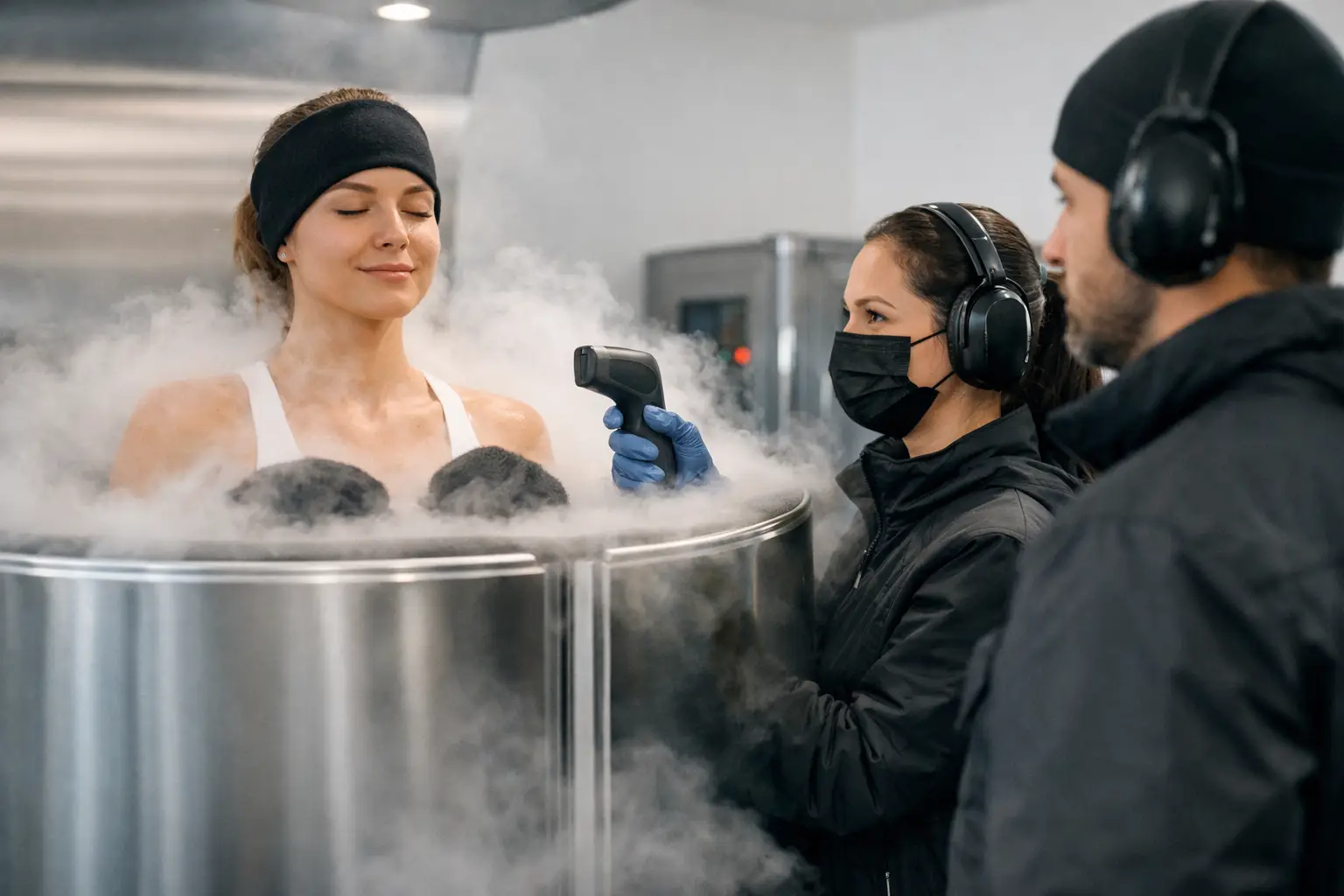
A cryotherapy session may last only a few minutes, but the preparation behind it should be deliberate. Cryotherapy safety is not simply about how cold a chamber can get. It is the full operating system around the experience: appropriate client screening, trained staff, well-maintained equipment, clear session controls, and a facility culture that does not rush the process.
For recovery studios, fitness centers, med spas, salons, and home wellness environments, whole-body cryotherapy can be a high-impact addition to a performance and rejuvenation menu. Clients are drawn to the invigorating cold exposure, post-workout recovery support, and premium feel of the service. Operators earn trust when the experience feels as controlled as it is impressive.
What Cryotherapy Safety Actually Requires
Whole-body cryotherapy exposes the body to extremely cold air for a short, carefully managed period. That concise description can make the treatment sound simple. In reality, safety depends on the interaction of the client, the chamber, the operator, and the facility's procedures.
A high-quality cryotherapy program begins before a client enters the chamber. Staff should understand the equipment's operating requirements, know who should not participate without medical clearance, and be ready to stop a session at the first sign of discomfort. The goal is not to push tolerance. The goal is to deliver a controlled, repeatable wellness experience that supports recovery and client confidence.
It also helps to distinguish between whole-body cryotherapy chambers and localized cryotherapy devices. Both use cold exposure, but their session protocols, coverage areas, and operating considerations differ. A business should build procedures around the specific technology it owns rather than treating all cryotherapy equipment as interchangeable.
Start With a Meaningful Client Screening Process
The most effective safety measure is a consistent pre-session screening process. Every first-time client should complete a health questionnaire, and operators should revisit relevant changes before future sessions. A waiver alone is not a screening protocol. It documents acknowledgment, while screening helps identify whether the service is appropriate at that time.
Clients should be encouraged to disclose cardiovascular conditions, uncontrolled high blood pressure, circulation concerns, cold sensitivity, respiratory issues, neurological conditions, pregnancy, implanted devices, current illness, and recent injuries or procedures. People with conditions such as Raynaud's phenomenon, cold urticaria, or a history of adverse reactions to cold may not be suitable candidates. Medication changes can matter as well, particularly when a medication affects circulation, sensation, blood pressure, or the body's response to cold.
Operators are not expected to diagnose medical conditions. They should, however, know when to pause the session and request medical clearance. This protects the client and creates a more professional standard for the business. A premium wellness service should never rely on a client minimizing symptoms just to avoid missing a session.
Cryotherapy Safety Depends on Proper Preparation
The client should arrive dry. Moisture on skin, damp clothing, sweat, lotions, and wet hair can increase the risk of cold-related skin injury and make the experience less comfortable. Jewelry and metal accessories should be removed when required by the equipment protocol, since metal can become extremely cold quickly.
Appropriate protective gear is essential. Depending on the chamber design and manufacturer instructions, this may include dry socks, insulated footwear or slippers, gloves, and protective garments for sensitive areas. Staff should inspect this gear between uses, replace worn items, and keep enough clean, dry inventory available during busy operating hours.
Clients also need clear, simple instructions before the door closes or the session begins. Explain what the session will feel like, where to stand, how to communicate, and what sensations require them to signal the operator immediately. Numbness, burning, sharp pain, dizziness, chest discomfort, unusual shortness of breath, panic, or feeling faint are not sensations to work through.
A strong script is better than an improvised explanation. It keeps the process consistent across team members and reassures first-time guests that the studio is managing the details.
Clothing, Skin, and Moisture Checks
A quick visual confirmation can prevent avoidable issues. Before each session, the operator should verify that the client is dry, protected according to the manufacturer's instructions, and free of exposed areas that should be covered. Clients should not enter with wet athletic clothing after a workout, and they should tell staff about bandages, irritated skin, open wounds, or recently treated areas.
This check takes less than a minute. It can make a meaningful difference in comfort and risk management.
Supervision Is Part of the Service
Cryotherapy should not be treated as a set-it-and-forget-it appointment. Active supervision is a core part of a safe premium experience. The operator should remain present, maintain communication with the client, and be prepared to end the session immediately if the client reports concerning symptoms or appears distressed.
Staff should follow manufacturer-defined time and temperature ranges rather than extending sessions to create a more dramatic experience. More cold is not automatically more beneficial. Individual tolerance can vary by body composition, acclimation, hydration, stress level, recent exertion, and health history.
For first-time clients, a conservative approach is usually the right business decision. A comfortable, well-managed first session builds more long-term loyalty than an overly aggressive introduction. It also gives staff an opportunity to observe how the client responds before progressing within the equipment's approved operating guidelines.
Equipment Choice and Maintenance Matter
Cryotherapy equipment is a capital investment, but its value extends beyond visual impact and treatment capacity. Chamber design, safety features, controls, ventilation requirements, installation standards, and service support all affect daily operations.
Facilities using nitrogen-based systems must be especially attentive to room ventilation, oxygen monitoring where appropriate, and the manufacturer's requirements for safe installation and use. Cryotherapy environments should never be placed in a space without adequate airflow planning. The operating area should be clean, dry, uncluttered, and accessible for both clients and staff.
Electrical systems also require attention. Units should be installed and serviced by qualified professionals, with routine inspections that follow the manufacturer's schedule. Operators should document maintenance, calibration checks, repairs, and any unusual performance observations. That record supports equipment reliability and helps protect the business if a service issue arises.
A practical equipment program includes these operational essentials:
- Daily inspection of the chamber, controls, emergency stop features, flooring, and protective gear.
- Routine cleaning and sanitation procedures that protect surfaces without damaging equipment components.
- Scheduled preventive maintenance completed by qualified service professionals.
- Written procedures for shutdowns, power interruptions, ventilation concerns, and equipment faults.
- A clear policy that takes equipment out of service when safe performance is in question.
For operators building a new recovery offering, choosing equipment with dependable support and accessible service resources can be just as valuable as selecting the chamber itself. Downtime affects revenue, client scheduling, and brand credibility.
Train Staff for Confidence, Not Just Compliance
A polished cryotherapy program needs more than a staff member who knows which buttons to press. Team members should be trained on client screening, protective gear, session timing, communication, emergency procedures, sanitation, and documentation. They should understand the difference between normal cold discomfort and a reason to end a session.
Training should also cover the boundaries of wellness communication. Cryotherapy can be presented as a recovery-oriented experience that may complement an active lifestyle, but staff should not promise to treat, cure, or prevent medical conditions. Clear language protects the business while keeping the conversation focused on the real value clients are seeking: a premium ritual for recovery, revitalization, and performance support.
Documented training is particularly useful for commercial operators. It creates consistency across shifts, makes onboarding easier, and gives managers a clear standard for evaluating staff performance. Refresher training is worthwhile whenever a facility adds new equipment, updates procedures, or identifies recurring client questions.
Build an Emergency-Ready Operating Plan
Even the best screening and supervision cannot eliminate every unexpected event. A responsible cryotherapy facility has a straightforward plan for responding to dizziness, panic, a fall, equipment malfunction, suspected cold injury, or a ventilation concern.
Staff should know how to stop the session, assist the client safely, contact emergency services when needed, and document what occurred. Emergency contact information, incident forms, and relevant facility procedures should be easy to access rather than stored somewhere no one thinks to look during a stressful moment.
After an incident, the right response is not simply reopening the schedule. Review what happened, inspect the equipment, speak with involved staff, and update procedures if necessary. This approach strengthens the program over time and shows clients that their wellbeing takes priority over appointment volume.
A Better Safety Standard Builds a Better Business
Cryotherapy is often purchased for its ability to differentiate a wellness space. The chamber attracts attention, but professional operations create the reputation that keeps clients coming back. A business that communicates clear expectations, maintains its equipment, and supervises every session turns a high-performance technology into a service clients can confidently make part of their routine.
For residential owners, the same principle applies. Professional-grade equipment deserves professional-grade setup, manufacturer-led operating guidance, routine maintenance, and a disciplined approach to who uses it and how. The strongest cryotherapy experience is not the coldest one. It is the one that feels controlled, comfortable, and worthy of trust from the moment the client steps inside.
