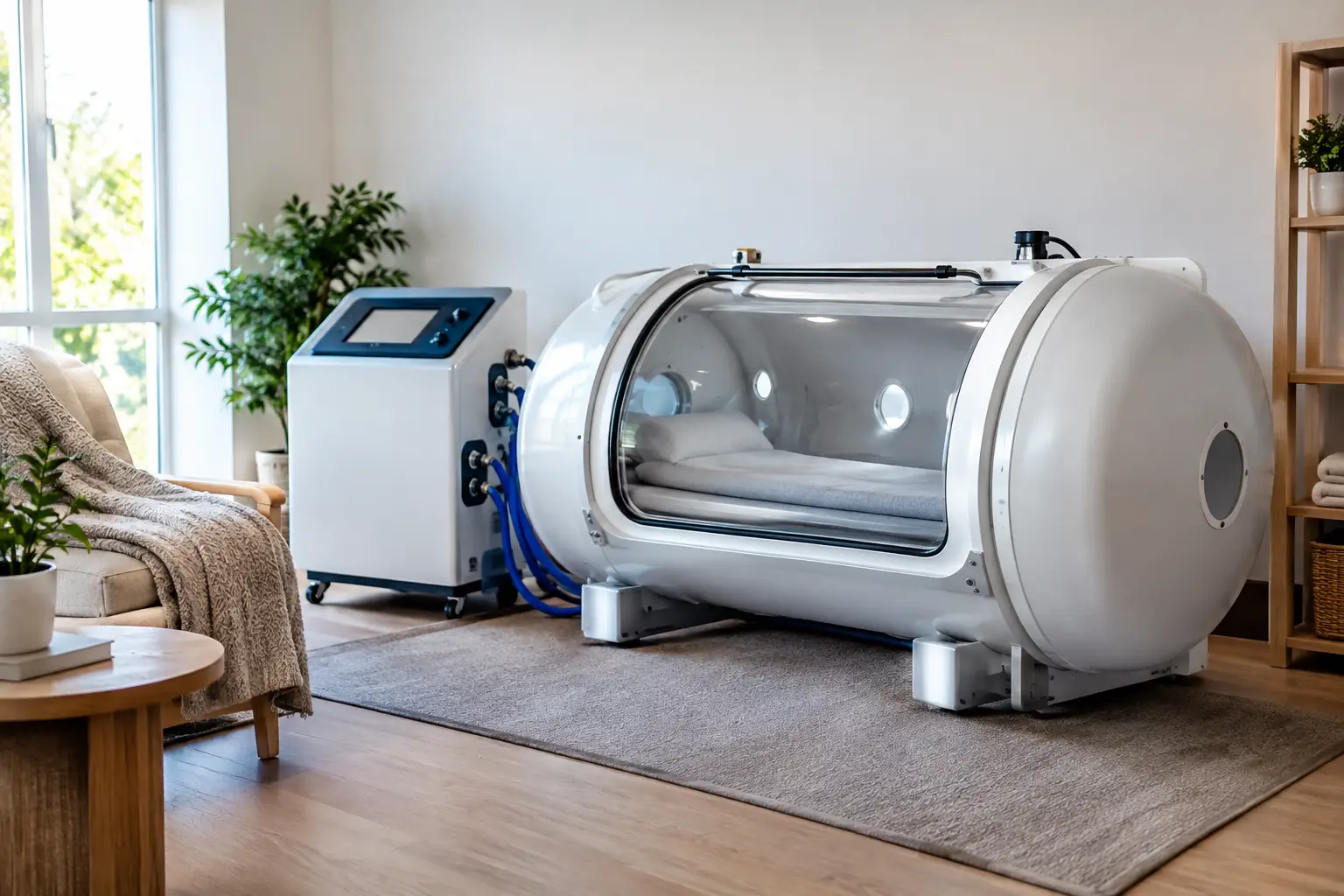
A home hyperbaric setup example should feel less like a piece of clinical equipment placed in a spare room and more like a deliberate part of a high-performance wellness environment. The right plan protects the investment, supports consistent use, and gives the space the polished feel affluent homeowners expect from a dedicated recovery suite.
For most residential buyers, the question is not simply which chamber to purchase. It is whether the room, electrical access, operating procedures, and support plan are ready for a specialized system. A premium home setup can be highly practical, but it requires more forethought than a typical fitness or spa purchase.
What a Home Hyperbaric Setup Should Accomplish
A well-planned hyperbaric space balances comfort, safety, and daily convenience. The chamber needs enough surrounding clearance for entry, exit, visual inspection, and service access. The room also needs to support calm, uninterrupted sessions. A noisy utility area, cluttered garage, or heavily trafficked hallway may be available, but it rarely creates the experience homeowners want from a recovery investment.
The best residential installations usually occupy a private wellness room, a converted office, a large primary-suite sitting area, or a purpose-built home spa. These spaces make it easier to establish a repeatable routine while preserving the clean, elevated design associated with professional-grade wellness equipment.
A chamber should never be viewed as a general wellness accessory. It is a pressure-based system that must be selected, installed, and operated according to the manufacturer’s requirements and any guidance provided by a qualified healthcare professional. Home systems vary significantly in design, pressure capability, oxygen delivery configuration, footprint, and maintenance needs.
A Practical Home Hyperbaric Setup Example
Picture a 180-square-foot wellness room adjacent to a home gym and infrared sauna. One wall is reserved for a premium hyperbaric chamber, positioned with clear access around the entry point and enough room for a technician to inspect connections and components. The chamber is not pressed tightly into a corner or treated as built-in furniture.
Across the room, a low-profile storage cabinet holds only approved session essentials and the system documentation. A comfortable chair, simple side table, dimmable lighting, and quiet climate control make the room feel intentional rather than clinical. The owner can enter the space, prepare for a session, and return to work, training, or relaxation without reorganizing the room each time.
This setup works because it considers the entire ownership experience. It protects circulation around the equipment, keeps the room visually refined, and helps the homeowner follow a predictable operating process. It also leaves room for future additions such as red light therapy, PEMF, compression therapy, or a dry float system without turning the space into an overcrowded equipment showroom.
Room Size, Access, and Placement
Room size depends on the chamber model and the manufacturer’s specified clearances. Buyers should measure more than the chamber’s exterior dimensions. Door swings, turning radius during delivery, ceiling height, access to power, ventilation, and the path from the curb to the final installation room all matter.
Before making a purchase decision, assess the delivery route. Narrow staircases, low door frames, sharp hallway turns, and upper-level placement can affect what equipment can be installed and what preparation is required. Ground-floor wellness rooms are often simplest, though a properly evaluated second-floor location may work depending on the equipment, structure, and access conditions.
Avoid placement near open flames, smoking areas, fuel-burning appliances, excessive heat, or storage of flammable materials. The room should be clean, dry, and maintained within the manufacturer’s recommended environmental conditions. A premium chamber deserves a dedicated environment, not a storage area shared with paint cans, pool chemicals, or household clutter.
Power, Climate, and Equipment Support
Electrical requirements are model-specific. Some systems may operate from a standard household outlet, while others can require a dedicated circuit or additional electrical planning. Do not assume that an available outlet is sufficient. Confirm voltage, amperage, circuit requirements, surge protection recommendations, and local electrical code considerations before delivery.
Comfort also affects consistency. Hyperbaric sessions can last long enough that temperature, airflow, and ambient noise become meaningful factors. A room that becomes hot in the afternoon or cold during winter may discourage regular use. Reliable HVAC, sensible lighting, and a quiet location create a better ownership experience than decorative upgrades alone.
Premium equipment should also come with a real support path. Ask how installation guidance, routine maintenance, service coordination, replacement parts, training, and warranty coverage are handled. Sun Spa Wellness works with buyers who want more than a transaction - they want a long-term equipment partner for high-value wellness technology.
Safety Is Part of the Design
Hyperbaric equipment should be used only as instructed by its manufacturer and under appropriate professional guidance. A home setup must include a clear operating protocol for every authorized user. That protocol should cover pre-session checks, permitted clothing and personal items, communication during a session, emergency procedures, cleaning, and routine inspection.
Oxygen-enriched environments demand particular attention to fire safety. Follow all manufacturer restrictions regarding lotions, oils, electronics, fabrics, personal-care products, and other items that may not be approved for use. Never improvise accessories or modify valves, hoses, zippers, seals, compressors, or oxygen-related components. If something appears damaged, unusual, or improperly connected, pause use and contact qualified support.
It is also wise to keep the area free of unnecessary devices and decorative items. Minimalism is not merely an aesthetic choice here. A clear room makes inspection easier, reduces avoidable distractions, and helps every user understand what belongs in the treatment area.
Build a Repeatable Session Routine
The difference between equipment that becomes a daily wellness asset and equipment that sits unused is often routine. A practical setup makes the process simple: enter the room, complete the manufacturer-approved preparation steps, start the session according to training, and allow time afterward to reset the space.
Keep records of maintenance, service dates, and any manufacturer-recommended inspections. For homes with multiple adult users, assign one person responsibility for checking supplies, reviewing operating instructions, and coordinating service. That level of ownership is especially useful when the wellness room contains several advanced systems.
For commercial operators considering a private-use chamber for an owner suite or executive recovery area, the same principle applies. A premium installation must be supported by defined access, staff training where applicable, documented maintenance, and appropriate operational policies. A sophisticated service menu starts with disciplined equipment management behind the scenes.
Questions to Ask Before You Buy
A strong purchase conversation should go beyond chamber size and appearance. Ask whether the selected model fits your intended use, physical space, power availability, service access, and comfort expectations. Confirm what is included with delivery and setup, what ongoing maintenance looks like, and who provides help if the system requires attention.
You should also discuss financing, warranty terms, insurance considerations, and whether the equipment can be integrated into a larger home wellness plan. For some buyers, a chamber is the centerpiece of a recovery room. For others, it is one component in a carefully designed environment that includes sauna therapy, light-based rejuvenation, compression, and mobility-focused recovery tools.
The right answer depends on the homeowner, the space, and the level of support desired. A smaller, thoughtfully configured room with dependable equipment and clear operating procedures will outperform an oversized wellness suite that was designed around appearance alone.
A home hyperbaric room should feel ready whenever you are: clean, calm, properly equipped, and supported by a plan that respects both the technology and the investment behind it.
