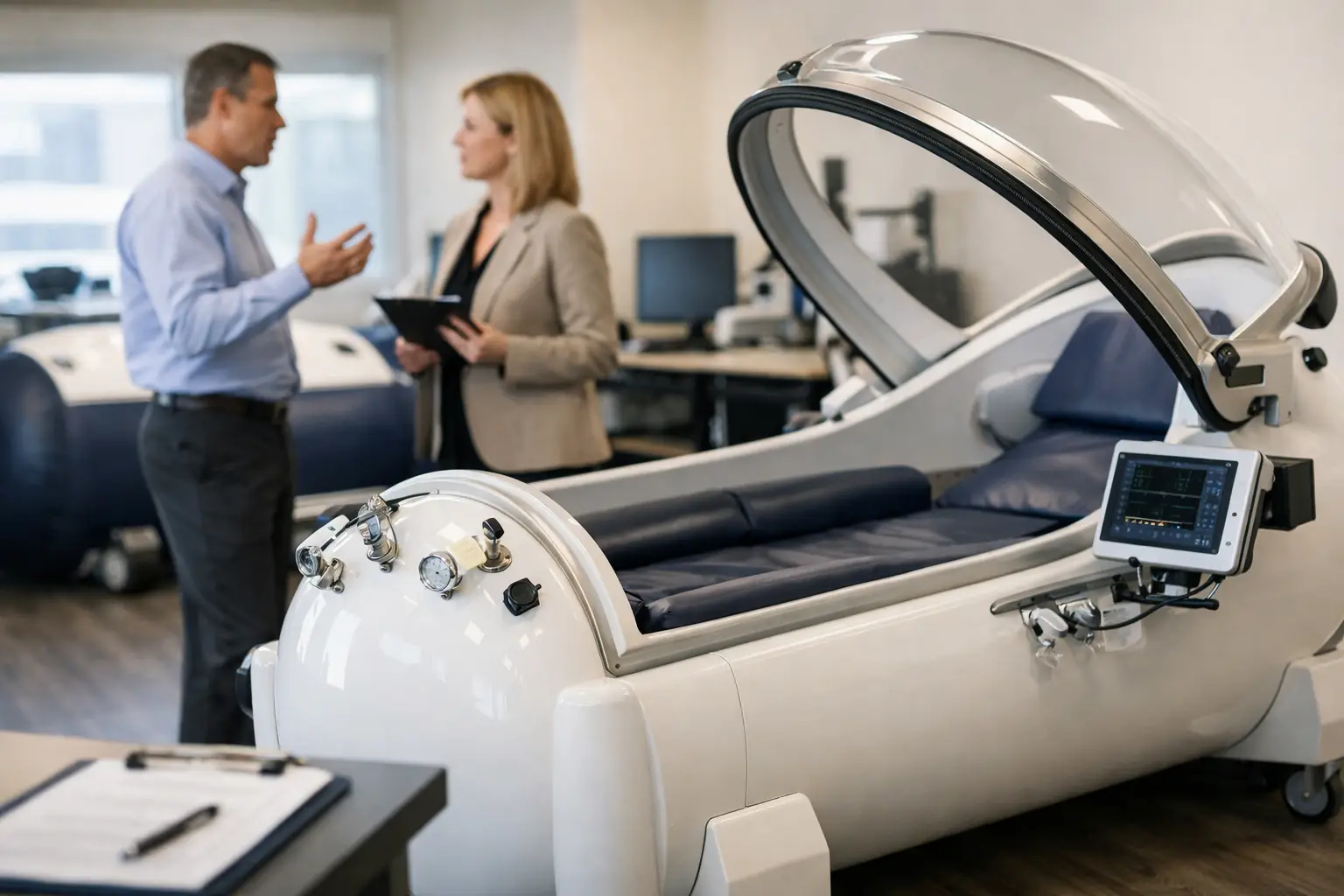
A hyperbaric chamber can become a defining feature of a recovery studio, med spa, fitness facility, or high-performance home wellness space. It also represents a meaningful capital investment, with decisions that reach far beyond the chamber itself. Knowing how to buy hyperbaric chamber equipment starts with matching the technology, operating requirements, and support plan to the way you intend to use it.
For commercial operators, the right chamber can expand a recovery menu, create recurring service revenue, and differentiate the facility from competitors offering only basic wellness services. For residential buyers, it can provide private access to an advanced recovery environment without compromising on quality, comfort, or safety. In either case, a smart purchase begins with a clear plan.
Define the Role of the Chamber First
Do not start by comparing prices alone. Start by deciding what the chamber needs to accomplish in your business or home environment.
A recovery studio may prioritize client throughput, a polished exterior, easy entry and exit, and a model that supports a premium membership or session-based offering. A med spa may need a chamber that complements existing rejuvenation, red light, cryotherapy, or body contouring services. A homeowner may care most about space efficiency, quiet operation, comfort, and straightforward daily use.
Your intended application also affects the level of pressure, chamber configuration, footprint, and accessories you should consider. A chamber that is right for a private home may not be the best operational choice for a high-traffic commercial setting. Conversely, purchasing more capacity or complexity than your model requires can add unnecessary cost and installation demands.
Before requesting a quote, identify who will use the chamber, how frequently it will be used, where it will be installed, and whether it will be a standalone offering or part of a broader wellness program.
Choose Between Soft and Hard Hyperbaric Chambers
The most important technical decision is often whether to purchase a soft-sided or hard-sided chamber. Both can have a place in the wellness market, but they serve different buyer needs.
Soft-Sided Chambers
Soft chambers are typically lower-pressure, portable systems designed for wellness-oriented home and commercial settings. They can be a practical choice when space, budget, and installation simplicity are priorities. Many buyers appreciate their lighter footprint and more accessible entry point into hyperbaric wellness.
The trade-off is that soft chambers generally offer lower operating pressure than hard chambers. They may also have a different feel for users, particularly those who prefer a more spacious or premium in-chamber experience. For a business positioning itself at the high end of recovery and performance enhancement, the visual presentation and client comfort of the unit matter as much as the basic specifications.
Hard-Sided Chambers
Hard chambers are engineered for higher-pressure operation and often deliver a more refined, durable, and professional presentation. They are commonly selected by established recovery centers, wellness clinics, performance facilities, and buyers creating a serious home wellness suite.
These systems typically require more deliberate planning around room size, access, electrical needs, ventilation, and installation. They also command a higher initial investment. For the right operation, however, their build quality, client experience, and long-term commercial appeal can justify the added commitment.
The best choice depends on your treatment concept, available space, budget, and desired positioning. A qualified equipment partner should help you compare the practical differences rather than steering you toward a one-size-fits-all answer.
Evaluate Safety, Compliance, and Manufacturer Standards
Hyperbaric equipment should never be treated as a casual purchase. Buyers should understand the chamber's specifications, safety features, user procedures, and manufacturer requirements before moving forward.
Ask how the system is designed, what pressure range it supports, how emergency depressurization is handled, and what training is recommended for operators or household users. Review warranty coverage and confirm which maintenance activities are expected over the life of the equipment. If oxygen concentrators or other supporting components are part of the system, understand whether they are included, compatible, and covered by the same service plan.
It is equally important to use careful language when marketing a chamber. Hyperbaric systems can be positioned within a wellness, relaxation, recovery, and performance-focused environment, but operators should not make medical claims outside the equipment's cleared, approved, or legally supported intended use. Commercial buyers should consult appropriate legal, regulatory, insurance, and local licensing resources before building a service menu.
A premium purchase should come with documentation, clear operating guidance, and access to knowledgeable support. The chamber is only one part of the investment. The procedures around it protect the client experience and the long-term value of the equipment.
Plan the Installation Before You Buy
A chamber can look compact in a product photo and still require thoughtful site preparation. Measure the final room, not just the doorway. Consider the path from delivery access to the installation location, including hallways, turns, stairs, elevator dimensions, and ceiling height.
Commercial locations should account for reception flow, privacy, room ventilation, cleaning access, and the space needed for an attendant to assist a client. A dedicated recovery room can elevate the service experience, especially when designed alongside complementary technologies such as red light therapy, compression therapy, PEMF, or infrared sauna systems.
Homeowners should consider noise, flooring, electrical access, and whether the selected room provides the privacy and calm expected from a personal wellness environment. A garage, basement, spare bedroom, or purpose-built home spa can work well, provided the area meets the equipment manufacturer's installation requirements.
Ask the supplier for exact dimensions, weight, utility requirements, delivery expectations, and any recommended clearances. Resolving these details before purchase prevents expensive surprises and helps your project stay on schedule.
Build the Financial Case for a Commercial Chamber
For a commercial buyer, the purchase decision should connect directly to revenue strategy. A hyperbaric chamber may support individual sessions, package upgrades, monthly memberships, athlete recovery programs, or premium add-ons paired with other services.
Start with a realistic utilization model. Estimate the number of available appointments per day, expected occupancy during the first six to 12 months, the session price, staffing time, and ongoing operating costs. Then compare that projected revenue against the equipment investment, financing payment if applicable, room build-out, insurance, maintenance, and marketing.
Do not assume maximum utilization on day one. A conservative forecast is more useful because it shows whether the equipment can support the business under normal operating conditions. At the same time, do not overlook the chamber's indirect value. A high-end recovery offering can improve client retention, create a stronger brand image, and give prospects a reason to choose your facility over a competitor.
Financing can be especially valuable when it preserves working capital for launch marketing, staff training, and complementary equipment. The right structure depends on your cash flow, growth plan, and tax strategy, so evaluate payment options alongside the purchase price.
Compare Support, Service, and Ownership Costs
A lower upfront price is not always the better value. Specialty wellness equipment needs dependable support, access to replacement parts, and a clear path for service if an issue arises. Ask who handles installation coordination, technical questions, preventive maintenance, warranty claims, and future repairs.
For commercial owners, downtime can mean canceled appointments and lost revenue. For residential owners, it can interrupt a carefully designed wellness routine. A supplier with experience in high-ticket wellness equipment can help reduce uncertainty before and after the sale.
Also consider the full ownership picture: maintenance schedules, consumable items, expected component life, shipping costs for service, operator training, insurance considerations, and resale or trade-in potential. These factors may not appear on an initial quote, but they influence the real cost of ownership over several years.
Questions to Ask Before You Place an Order
A productive buying conversation should leave you with direct answers to the following:
- Is this chamber suited to my commercial service model or home wellness goals?
- What pressure range, capacity, and configuration does it offer?
- What space, electrical, ventilation, and delivery requirements apply?
- What training and operating procedures are recommended?
- What does the warranty cover, and who provides service after installation?
- What costs should I plan for beyond the equipment price?
- Are financing, maintenance, insurance, or trade-in resources available?
Sun Spa Wellness helps buyers evaluate premium wellness equipment as part of a complete operating plan, not simply as a catalog purchase. That perspective matters when your investment is meant to deliver recovery value, visual impact, and dependable long-term performance.
The right hyperbaric chamber is the one that fits your space, supports responsible use, and strengthens the experience you want clients or your household to return to again and again.
