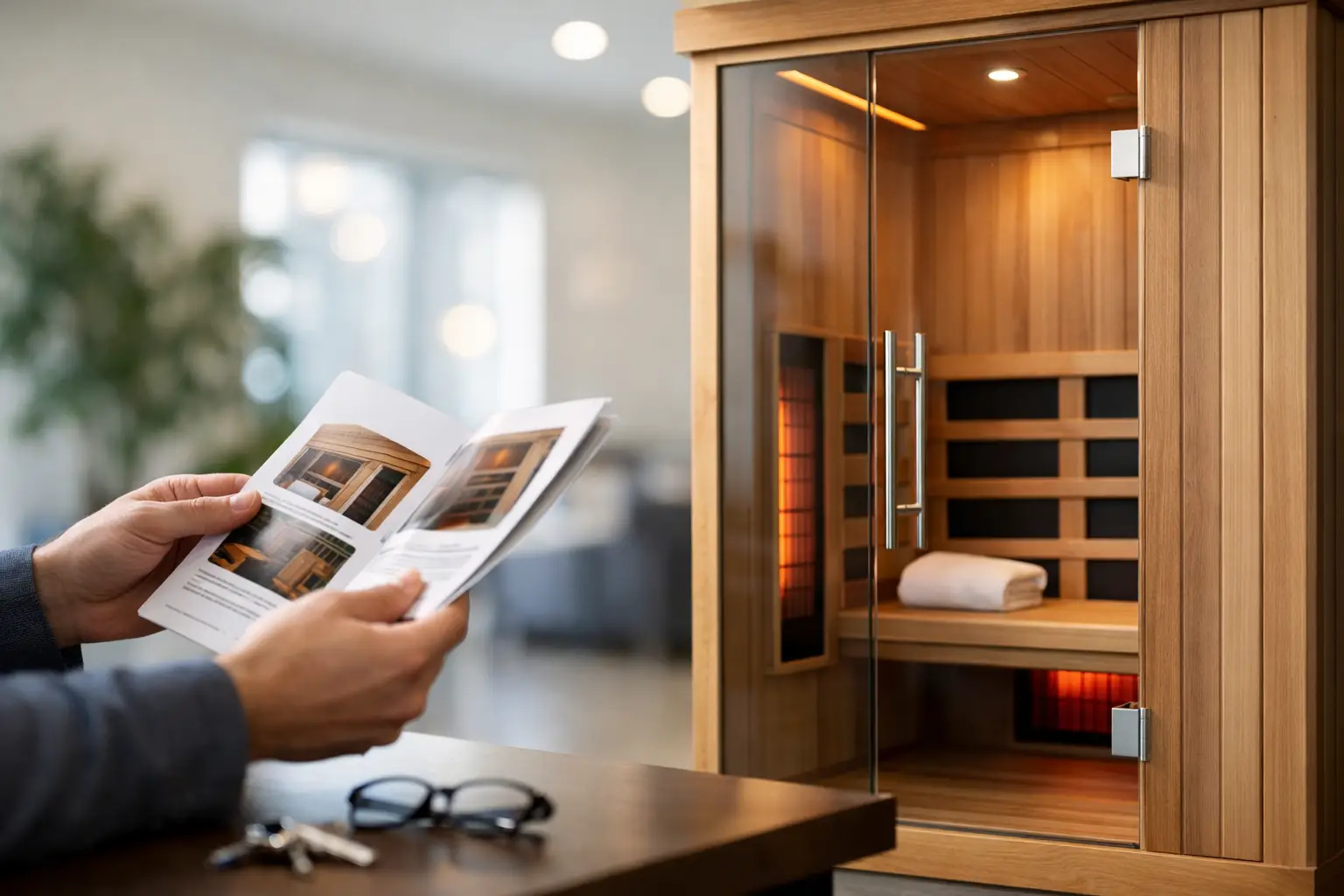
A premium infrared sauna should feel like an asset, not a large box that takes up valuable floor space. For a homeowner, that means dependable daily access to heat, relaxation, and recovery. For a salon, spa, gym, or recovery studio, it means a polished service that can strengthen memberships, add appointments, and elevate the client experience. Knowing how to buy an infrared sauna starts with matching the equipment to the outcome you expect from it.
The lowest price rarely tells the full story. Heater quality, interior materials, electrical requirements, capacity, warranty coverage, and post-sale service all shape whether an infrared sauna performs well for years or becomes an expensive operational distraction.
Start With the Use Case
Before comparing models, define who will use the sauna, how often it will operate, and where it will live. A residential buyer may prioritize a compact footprint, refined exterior design, and quiet operation. A commercial operator needs a unit built for repeated sessions, simple cleaning, reliable controls, and a capacity that supports the expected appointment flow.
A one-person sauna can be an efficient choice for a private home recovery room, especially when space is limited. A two-person model offers more flexibility for couples and guests. In a commercial setting, larger cabins can make sense when the sauna is part of a shared wellness experience, but bigger is not automatically better. More interior volume requires more room, more electrical planning, and often more time to reach operating temperature.
Think beyond the initial purchase. If infrared sessions will be a paid service, estimate realistic utilization rather than assuming every available hour will be booked. The right unit supports the service menu without creating unnecessary overhead.
How to Buy an Infrared Sauna by Heater Type
Infrared saunas warm the body directly through infrared energy rather than relying solely on heating the surrounding air. That difference can make the experience more comfortable for people who prefer lower ambient temperatures than a traditional sauna. Still, infrared performance varies considerably by heater design and placement.
Carbon heaters are widely used because they distribute heat across a broad surface area and can create a gentler, more even session. Ceramic heaters typically produce more intense, concentrated heat and may be preferred by users who enjoy a stronger sensation. Some premium systems combine technologies or use advanced full-spectrum heater configurations designed to deliver a broader range of infrared wavelengths.
Do not judge a sauna only by the number of heaters listed in a specification sheet. Ask where the heaters are positioned, whether they surround the user effectively, how the system manages hot and cool areas, and whether the manufacturer provides meaningful information about output and safety testing. A well-designed cabin with thoughtfully placed heaters is more valuable than a model with an impressive but vague heater count.
For commercial buyers, consistent performance matters as much as intensity. Clients should have a comfortable, repeatable experience from the first appointment of the day to the last.
Evaluate Materials, Construction, and Indoor Air Quality
The materials inside the cabin are part of the wellness experience. Solid wood construction, quality joinery, stable benches, and a well-finished interior all contribute to longevity and a more premium presentation. Common sauna woods include cedar, hemlock, basswood, and other low-resin options. Each has a different appearance, aroma, and price point.
Cedar is valued for its classic sauna look and natural scent, while hemlock and basswood can offer a clean, contemporary appearance with little aroma. Buyers with fragrance sensitivities may prefer a less aromatic wood. In every case, look closely at the materials behind the visible surfaces. Low-VOC construction, minimal adhesives, and clear disclosure around wood treatments are practical indicators of a more carefully built cabin.
Commercial environments also benefit from interiors that are easy to maintain. Smooth, durable surfaces and accessible corners make regular cleaning faster between clients. If the sauna will be placed in a high-visibility spa or fitness facility, exterior finish and door design deserve attention too. Equipment that looks premium supports premium positioning.
Confirm Size, Site, and Electrical Requirements Early
Many sauna purchases become complicated because site planning starts too late. Measure the intended location carefully, including ceiling height, doorway clearance, walking space around the unit, and the path from delivery point to final installation. A sauna that fits on a floor plan may still be difficult to move through a narrow hallway or down a finished basement stairwell.
Most infrared saunas are designed for indoor use, unless a specific model is rated and constructed for an outdoor environment. Do not assume a standard indoor cabin can be placed on a patio or in a garage exposed to humidity and temperature swings.
Electrical needs vary by size and power draw. Smaller residential units may use a standard household outlet, while larger and commercial-grade models often require a dedicated circuit and professional electrical work. Review the manufacturer’s requirements before ordering, then have a qualified electrician confirm the site. This protects the equipment, helps avoid installation delays, and supports safe operation.
Ventilation needs are generally less demanding than those of a traditional steam sauna, but the room should still be dry, clean, and appropriately conditioned. Avoid placing the cabin where water exposure, poor drainage, or extreme moisture could affect the structure or electronics.
Compare Features That Improve the Actual Session
Technology should improve usability, comfort, or operational control. It should not simply add buttons. Digital controls with straightforward temperature and timer settings make daily use easier. Remote preheat functions can be useful for homeowners who want the sauna ready after a workout, while commercial operators may value programmable settings that help staff prepare rooms efficiently.
Bluetooth audio, chromotherapy lighting, ergonomic backrests, and interior reading lights can enhance the experience when they are well integrated. They are secondary to heater performance and construction, but they can help a sauna feel more complete in a luxury home gym or treatment suite.
For a business, consider the client journey. Is the control panel intuitive? Can staff clean and inspect the unit quickly? Does the door open comfortably in the planned room layout? A feature is valuable when it reduces friction for guests and employees.
Look Past the Purchase Price
The real cost of ownership includes delivery, installation, electrical upgrades, routine cleaning, potential repairs, and downtime. A less expensive unit may be appropriate for light residential use, but it can be a poor value if replacement parts are difficult to obtain or support is limited.
Warranty terms deserve a careful reading. Check whether coverage differs for heaters, controls, cabinetry, and labor. A long warranty is meaningful only when the supplier and manufacturer have a clear process for diagnosing issues and providing parts. For commercial buyers, ask directly about service response, maintenance guidance, and the availability of support after installation.
Financing can also influence the right decision. Rather than compromising on capacity or quality to meet a cash budget, a structured equipment purchase may allow a business to select a model that better fits its revenue plan. Residential buyers can use the same lens: evaluate the monthly investment against the frequency of use and the value of having recovery and relaxation available at home.
Choose a Partner That Can Support the Equipment
An infrared sauna is a specialized wellness system, not a commodity appliance. The supplier should be able to explain model differences in plain language, help validate installation requirements, and support the purchase after the sale. This is especially important for operators building a broader recovery menu around red light therapy, compression, cryotherapy, or other performance-focused services.
Sun Spa Wellness works with buyers who need premium wellness equipment paired with practical purchasing support, from selecting the right configuration to planning for service and long-term operation. That level of guidance can be the difference between buying equipment and building a wellness offering that performs.
Before making a final decision, request complete specifications, confirm the installation plan, and compare warranty and service terms side by side. The best infrared sauna is the one that fits the room, meets the intensity and comfort expectations of its users, and remains dependable long after the first session.
