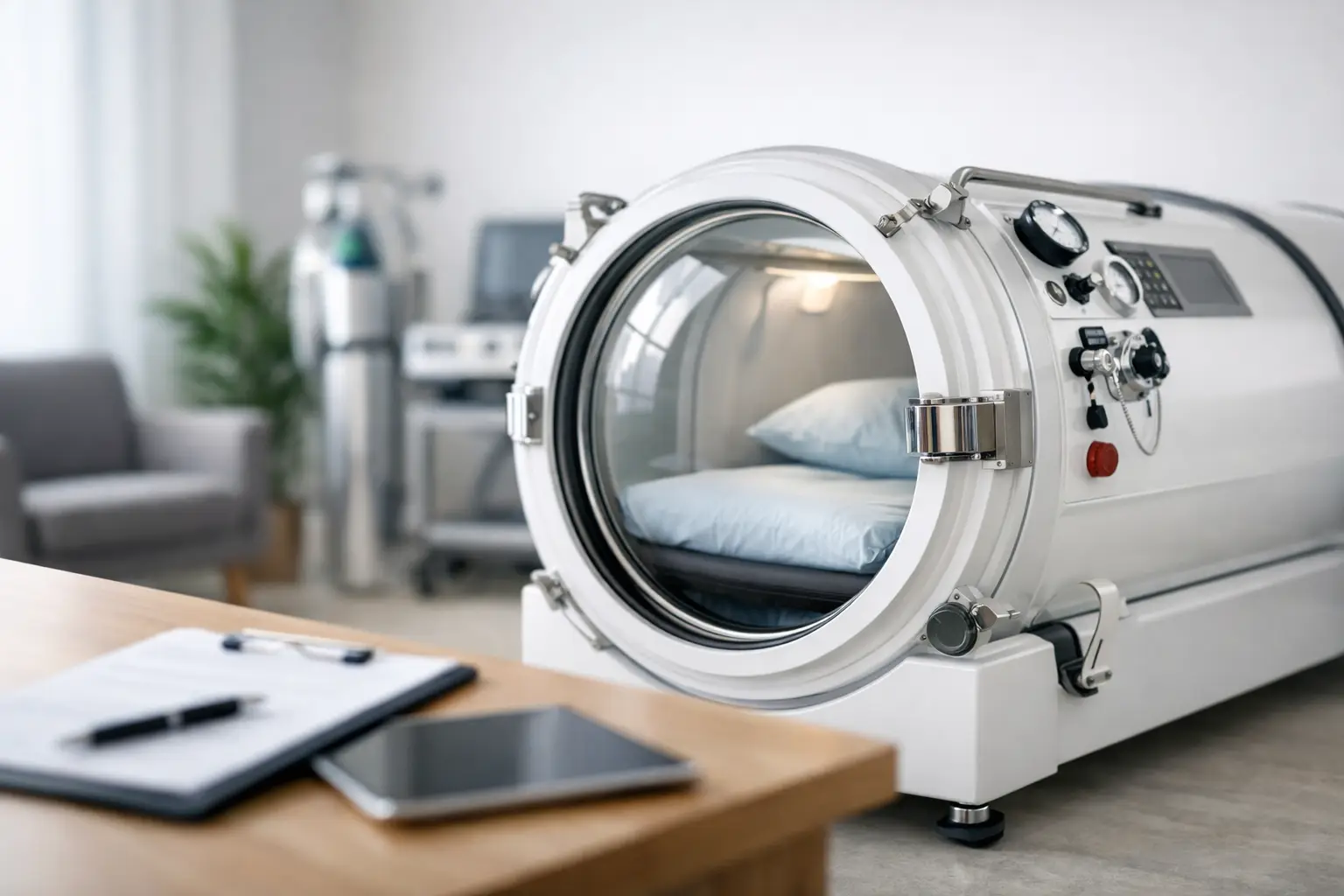
A hyperbaric chamber is not a plug-and-play wellness purchase. It is a high-value recovery system that affects your floor plan, service menu, staffing, client experience, and long-term operating budget. This hyperbaric chamber ownership guide is built for wellness operators and homeowners who want to make a confident, commercially sound decision before bringing oxygen-based recovery technology into their space.
For a recovery studio, med spa, fitness facility, or premium home wellness suite, the right chamber can add a differentiated service with strong perceived value. The wrong choice can create avoidable limitations around capacity, workflow, installation, service access, or customer expectations. The goal is not simply to buy a chamber. It is to select a system that fits the way you plan to use it.
Start With the Ownership Model That Fits Your Goals
The first decision is whether the chamber will support a business, a private residence, or both. Commercial buyers usually need predictable throughput, a polished client experience, durable construction, and a supplier relationship that can support service over time. Residential buyers may prioritize privacy, convenience, design, and a compact footprint, but should still approach the purchase with the same attention to safety and installation.
For commercial operators, hyperbaric sessions can complement services such as red light therapy, cryotherapy, PEMF, compression therapy, infrared sauna, and assisted recovery programs. That combination can help create a more complete performance and rejuvenation offering rather than a single-service business. The strongest fit is often a studio or spa that already serves clients interested in athletic recovery, wellness optimization, appearance, or premium self-care.
For homeowners, ownership is primarily about access. A professional-grade chamber can turn a dedicated wellness room into a personal recovery destination without the scheduling constraints of a facility. However, home ownership still requires enough room for the chamber, comfortable entry and exit, ventilation, electrical planning, and any recommended clearance around the equipment.
Understand Chamber Types Before Comparing Features
Not all hyperbaric chambers are designed for the same use case. The two broad categories most buyers encounter are soft-sided portable chambers and hard-sided chambers. Each offers distinct advantages, and neither is automatically the better investment.
Soft-Sided Chambers
Soft-sided chambers are generally more accessible in upfront cost and can be practical for home users or businesses introducing hyperbaric wellness services for the first time. Their lower-pressure design, lighter construction, and smaller footprint can make installation more manageable. They may be well suited to operators with limited space, provided the planned usage, client volume, and applicable local requirements align with the equipment.
The trade-off is that portable systems may not deliver the same pressure range, visual impact, durability profile, or high-volume workflow as a hard-sided unit. For a facility positioning itself at the premium end of recovery and wellness, those distinctions matter.
Hard-Sided Chambers
Hard-sided chambers are typically chosen by established recovery businesses, wellness centers, and homeowners seeking a more permanent, high-end installation. They often provide a more substantial client experience, enhanced comfort features, and a stronger visual presence in a premium wellness environment.
These systems require more planning. Buyers should evaluate room access, door widths, finished-floor capacity, electrical requirements, climate control, ventilation, and the path from delivery truck to final placement. A chamber that fits on a specification sheet may still be difficult to bring through a narrow hallway or down a flight of stairs.
The right choice depends on your operating model. A home buyer may value a compact design and simpler setup. A commercial operator may find that the durability, capacity, and premium presentation of a hard-sided chamber better support pricing and brand positioning.
The Hyperbaric Chamber Ownership Guide to Installation Planning
Installation planning should begin before you request a final quote. Measure the intended room carefully, including ceiling height, doorway widths, turns in hallways, elevator dimensions, and exterior access. Account for the chamber itself as well as the working space required for safe operation, cleaning, maintenance, and client entry.
Your equipment supplier should provide clear specifications for power, ventilation, placement, and environmental conditions. Depending on the chamber and your location, you may also need to consult an electrician, contractor, building manager, landlord, or local authority having jurisdiction. Commercial properties can have additional requirements related to occupancy, fire safety, insurance, and business licensing.
Climate control deserves special attention. Recovery rooms should feel clean, calm, and professionally maintained. Excess heat, humidity, or poor airflow can affect client comfort and may complicate equipment performance. A well-designed room also supports your larger brand experience. Thoughtful lighting, clear instructions, comfortable seating, and a clean intake process can make the difference between a basic appointment and a premium recovery ritual.
Safety Is an Operating System, Not a Checklist
Hyperbaric chamber ownership comes with real responsibility. A chamber should be operated according to the manufacturer’s instructions, established safety protocols, and all applicable federal, state, and local requirements. Buyers should understand the difference between wellness-focused equipment and medical treatment environments, particularly when discussing potential outcomes with clients.
Avoid casual health claims. Hyperbaric services should not be positioned as a cure, diagnosis, or substitute for medical care. Clients with health concerns, medical conditions, implanted devices, or questions about suitability should consult a qualified healthcare professional before participating. Commercial operators should also develop clear screening, consent, documentation, and emergency procedures with appropriate professional guidance.
Staff training is part of the investment, not an optional add-on. Every person responsible for chamber sessions should know the approved operating procedure, pre-session checks, cleaning process, client communication standards, contraindication screening process, and escalation protocol. Consistency protects your clients, your equipment, and your business.
Calculate Ownership Cost Beyond the Purchase Price
The purchase price is only one part of the financial picture. A realistic ownership budget includes delivery, installation preparation, electrical work, room improvements, training, maintenance, consumables where applicable, insurance, and potential downtime planning. Financing can make premium equipment more attainable, but it should be matched to a conservative view of monthly utilization and revenue.
Commercial buyers should build a simple revenue model before purchasing. Estimate your session price, expected sessions per day, staff time per appointment, membership inclusion, and package sales. Then compare that forecast against monthly financing, labor, rent allocation, insurance, marketing, and maintenance reserves. The goal is not to promise an immediate return. It is to understand how the chamber can perform at low, moderate, and high utilization.
A chamber often creates its best commercial value when it supports packages rather than standing alone. Pairing it with other recovery and rejuvenation services can increase average ticket value while giving clients a reason to return on a regular schedule. Just be sure your appointment flow allows adequate time for room turnover, cleaning, and consultation.
Choose a Partner for the Full Equipment Lifecycle
High-performance wellness equipment should come with more than a shipment confirmation. Before committing, ask about warranty coverage, service responsiveness, replacement parts, maintenance recommendations, training availability, financing options, and trade-in opportunities. These details become especially important after the first year of ownership.
For commercial operators, downtime is not merely inconvenient. It can disrupt appointments, reduce revenue, and weaken client confidence. Working with a full-service equipment partner such as Sun Spa Wellness can simplify the buying process by connecting equipment selection with financing, service resources, and long-term ownership support.
Also consider the chamber’s role in your future business plan. If you expect to expand from a single recovery room to multiple locations, standardizing equipment and operating procedures early can make growth far easier. If you are buying for a residence, select a model you will still appreciate after the novelty fades: one that fits your space, your wellness routine, and your comfort expectations.
The best chamber purchase is one that feels intentional long after installation day. Choose the system that supports your available space, desired client or household experience, operating discipline, and long-term vision for recovery and wellness.
