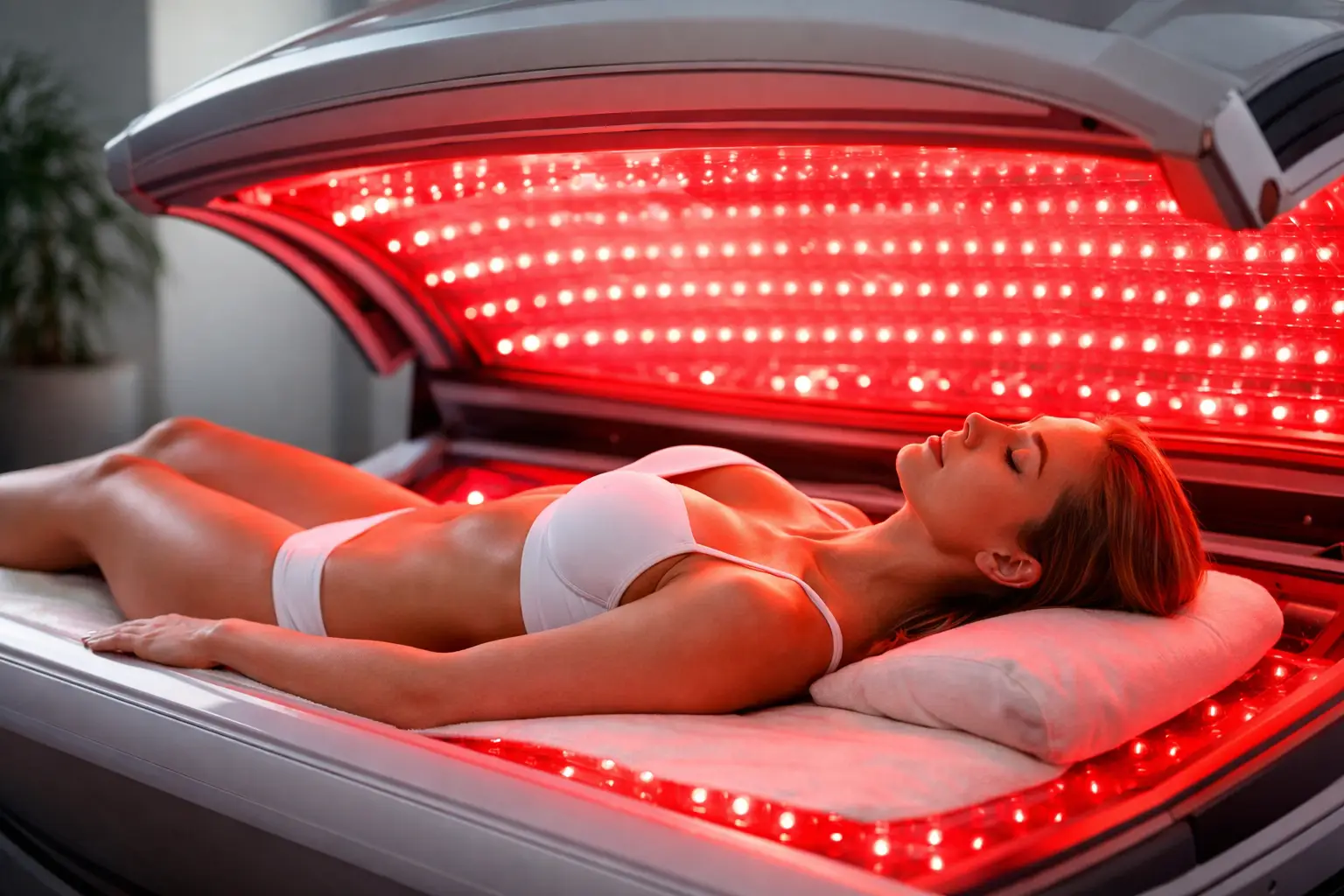
A red light therapy bed is one of those wellness investments that gets attention fast for a reason. It promises a full-body treatment experience in a format that feels familiar, efficient, and premium, whether you are adding a new revenue stream to a spa or building out a serious recovery setup at home. The real question is not whether people are curious about it. The question is whether the bed format makes sense for your goals, your space, and your expected return.
What a red light therapy bed actually does
A red light therapy bed uses specific wavelengths of visible red and near-infrared light to expose large areas of the body during a single session. Unlike targeted panels or handheld devices, the bed format is built for full-body coverage, which changes the user experience in a meaningful way. It reduces the need to reposition during treatment and creates a more consistent, high-end session that many clients and homeowners prefer.
From a benefits standpoint, buyers are usually looking at three outcomes. The first is skin support, including the appearance of smoother texture, improved tone, and a more refreshed look. The second is recovery, especially for users focused on post-workout support, circulation, and general body comfort. The third is convenience. A bed can deliver a broad treatment area in one session, which matters when throughput and user compliance are part of the equation.
That said, expectations need to stay realistic. Red light therapy is not a magic fix, and outcomes vary based on session frequency, device quality, treatment protocols, and the individual user. Professional-grade equipment tends to stand apart because consistency, power, design quality, and serviceability all affect long-term value.
Why the red light therapy bed format appeals to commercial buyers
For salon owners, med spas, wellness centers, and recovery studios, the biggest advantage of a red light therapy bed is not just the technology. It is the service model around it. A full-body system is easier to position as a premium experience than a small device in the corner of a treatment room. It looks substantial, feels elevated, and gives clients a session they can understand immediately.
That matters in a competitive market. When you are building a menu of services, visual impact and perceived value count. A bed-based system can help a business present red light therapy as a standalone offering, an add-on to existing treatments, or part of a membership model focused on rejuvenation and recovery.
There is also an operational advantage. With the right setup, staff training is straightforward, room flow is manageable, and treatment times are predictable. Those details may sound less exciting than the wellness claims, but they are often what determine whether equipment performs as a profitable asset or sits underused.
A commercial buyer should still look carefully at throughput, maintenance expectations, manufacturer support, and the overall quality of the system. Lower-cost equipment may seem attractive upfront, but if the design feels dated, the session experience is underwhelming, or support is limited, the long-term business case gets weaker fast.
Why affluent homeowners are looking at red light therapy beds
For residential buyers, the appeal is usually tied to convenience and access. If you already invest in recovery, beauty, or longevity-focused wellness, a red light therapy bed can bring a professional-grade experience into the home without requiring repeat appointments elsewhere. That is a meaningful advantage for people with demanding schedules or a strong preference for private, on-demand wellness routines.
The bed format also fits the expectations of buyers creating dedicated home wellness spaces. It pairs well with infrared sauna rooms, recovery zones, and high-end spa environments where design and ease of use matter just as much as performance. A small portable device may be practical, but it does not deliver the same presence or the same full-body session flow.
Still, the right choice depends on how often the system will be used. If the goal is occasional use for one person, a large bed may be more equipment than necessary. If the household includes multiple regular users or the buyer wants the most streamlined full-body treatment available, the investment becomes easier to justify.
How to evaluate a red light therapy bed before you buy
Not all systems are built to the same standard, and this is where buyers need to think beyond marketing language. Light-based wellness equipment can look similar on a product sheet while performing very differently in the real world.
Start with treatment coverage. A red light therapy bed should provide even, efficient exposure across the body. Gaps in coverage or uneven design can reduce the practical value of full-body sessions. Next, consider the overall build. Commercial environments need durable materials, intuitive controls, and components that can handle repeated daily use. Residential buyers may prioritize appearance and comfort more heavily, but reliability still matters.
You also want clarity around intended outcomes. Some buyers are focused on anti-aging and skin rejuvenation. Others care more about muscle recovery, circulation support, or overall wellness optimization. The best equipment conversations are specific because the right model for a boutique spa may not be the right model for a fitness recovery studio or a private home installation.
Support should be part of the buying decision from day one. This category involves a significant capital investment, so service, maintenance access, financing options, and installation guidance are not extras. They are part of the product value. That is one reason many buyers work with full-service equipment partners rather than chasing the lowest sticker price.
Red light therapy bed vs panel systems
Panels and beds each have a place, and the better option depends on use case. A panel system can be a smart fit for targeted treatments, flexible placement, or buyers testing demand before investing in larger equipment. It usually requires less floor space and a lower upfront commitment.
A red light therapy bed, by contrast, is built for a more complete and premium experience. It supports full-body sessions with less effort from the user, which often improves consistency. In a commercial setting, that can translate into stronger client appeal and easier service packaging. In a home setting, it can make the difference between equipment that gets used regularly and equipment that becomes inconvenient.
The trade-off is obvious. Beds require more space, a bigger budget, and more planning. If your market will pay for elevated wellness services and your business model benefits from premium positioning, the format can make strong sense. If your priorities are flexibility and lower entry cost, a panel may be the better first move.
What results should buyers realistically expect?
This is where smart positioning matters. Red light therapy is often associated with skin rejuvenation, recovery support, relaxation, and general wellness enhancement. Those are strong consumer motivators, and they align well with the broader shift toward non-invasive, technology-driven treatments.
But equipment alone does not create results. Session consistency, user expectations, treatment environment, and overall wellness habits all play a role. Commercial operators should avoid overselling and instead focus on experience, routine use, and visible value over time. Homeowners should think in the same way. The best outcomes usually come from regular, repeated sessions rather than one-off use.
For business owners, this is actually good news. Services that depend on consistency often fit well into recurring revenue models, packages, and memberships. For residential users, it reinforces the convenience case for owning professional-grade equipment in the first place.
Is a red light therapy bed worth the investment?
If you are comparing a red light therapy bed to smaller, less expensive options, the answer depends on how you define value. If value means the lowest upfront cost, a bed will not win. If value means treatment coverage, premium presentation, user convenience, and stronger commercial positioning, it becomes a much more compelling purchase.
For operators, the bed format can help differentiate your business, expand your service menu, and support a more premium client experience. For homeowners, it can deliver a level of accessibility and consistency that is difficult to match with appointment-based wellness alone. In both cases, the smartest buyers look beyond the device itself and consider the full ownership picture, from financing and installation to service and long-term reliability.
That is where an experienced equipment partner matters. Companies such as Sun Spa Wellness serve buyers who are not just shopping for a product. They are building a business asset or a serious home wellness environment, and that requires more than a spec sheet.
A red light therapy bed is not the right fit for everyone, but for the right buyer it can be a strong move - one that supports recovery, rejuvenation, and a more premium wellness experience from the first session forward.
