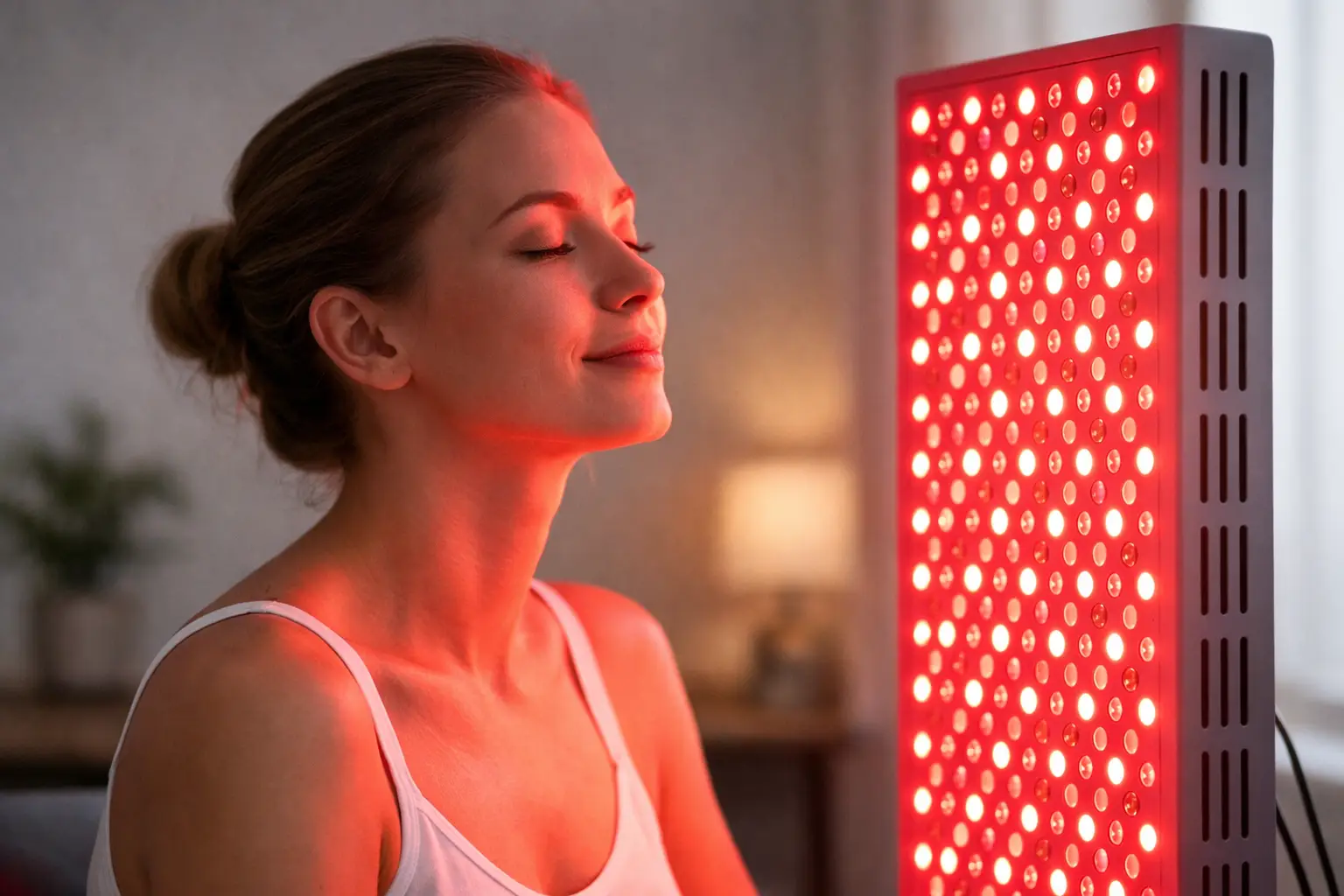
A lot of wellness technology looks impressive on a showroom floor. The real question is simpler: does it deliver enough visible or measurable benefit to justify the investment? If you are asking, is red light therapy worth it, the answer is yes for many buyers - but only when expectations, device quality, and usage consistency all line up.
That distinction matters whether you are a spa operator evaluating a new revenue stream or a homeowner building a serious recovery and rejuvenation setup. Red light therapy is not a gimmick, but it is not magic either. Its value comes from repeatable outcomes, ease of use, and how well the system fits your goals.
Is red light therapy worth it for real results?
Red light therapy has earned staying power because it addresses needs that are always in demand: skin rejuvenation, recovery support, circulation enhancement, and noninvasive wellness optimization. Users often pursue it for smoother-looking skin, a more refreshed appearance, temporary relief from minor aches and stiffness, and post-workout recovery support.
What makes it appealing commercially is that it is easy to position. Clients understand anti-aging. They understand recovery. They understand wanting to feel better without downtime. A well-designed red light system can fit naturally into salons, wellness centers, recovery studios, and luxury home environments because the treatment feels approachable while still delivering a premium experience.
Still, value depends on the kind of result you expect. If someone wants a single session to erase years of skin aging or replace medical treatment for chronic conditions, they will likely be disappointed. If they want a comfortable, noninvasive treatment that can support appearance, recovery, and wellness over time, the value proposition becomes much stronger.
Where red light therapy tends to justify the cost
The strongest case for red light therapy is not hype. It is versatility.
For aesthetic users, the biggest draw is skin support. Red light therapy is commonly used to promote a healthier-looking complexion, improve the look of fine lines, and support a more even, revitalized appearance. That makes it a natural fit for salons, med spas, and beauty-focused wellness businesses trying to add a service that feels modern but does not intimidate clients.
For performance and recovery users, the appeal is different. Athletes, fitness clients, and wellness-focused homeowners often use red light therapy as part of a broader recovery routine that may include compression, sauna, cryotherapy, or stretch work. In that setting, the treatment is less about dramatic before-and-after photos and more about consistency, comfort, and support for an overall performance lifestyle.
There is also a convenience argument. Sessions are generally simple, quiet, and easy to repeat. Unlike treatments that require consumables, extensive prep, or trained hands-on application, red light therapy can be operationally efficient. For business owners, that matters. A treatment that is easy to schedule and easy for clients to understand has a better chance of turning into repeat usage.
The biggest factor: professional-grade vs. low-end devices
This is where the worth-it question usually gets answered.
Not all red light therapy systems are built the same. Device quality influences power output, treatment coverage, consistency, durability, and user experience. A low-cost panel with limited coverage and underwhelming performance may leave users thinking red light therapy itself is overrated, when the real issue is that they bought a weak device.
Professional-grade equipment tends to justify its price by solving that problem. Better systems are designed for stronger output, better treatment efficiency, larger body coverage, cleaner aesthetics, and long-term reliability. Those are not small details. They shape compliance, user satisfaction, and perceived value.
For commercial operators, equipment quality also affects brand positioning. If your space markets premium recovery, advanced rejuvenation, or elevated wellness services, the equipment has to support that promise. Clients notice design, comfort, and consistency. So do staff members responsible for daily operation.
For residential buyers, the equation is similar. A premium home system may cost more upfront, but it can deliver a more satisfying experience than cycling through lower-end products that fail to meet expectations.
Is red light therapy worth it for business owners?
For the right business, often yes.
Red light therapy works best as a strategic service addition, not as a random trend purchase. If your client base already values skin enhancement, recovery support, body care, or wellness optimization, the service can expand your menu without adding a highly invasive or operationally complex treatment.
It also has strong packaging potential. Businesses can offer standalone sessions, memberships, recovery bundles, skin-focused packages, or pairings with complementary services. That flexibility matters because profitability does not come from the technology alone. It comes from how well the service is integrated into your business model.
The other advantage is broad appeal. Red light therapy can attract beauty-focused clients, athletes, wellness members, and older adults looking for low-friction ways to support comfort and appearance. Few equipment categories cross those segments as easily.
That said, not every market needs it. If your clientele is highly price-sensitive, unfamiliar with wellness technology, or focused on quick-fix treatments, adoption may be slower. Buyers should evaluate local demand, service pricing, expected utilization, and space planning before making a capital decision.
Is red light therapy worth it at home?
For committed users, yes - especially if convenience is the main barrier to consistency.
Home wellness buyers usually get the most value when they already know they will use the equipment regularly. If you are motivated by skin maintenance, recovery support, or a broader longevity-focused routine, having access at home can remove the scheduling friction that causes many wellness habits to fade.
The financial case can also improve over time. A professional-grade home system may feel like a luxury purchase, but frequent users often view it as an investment in convenience, privacy, and long-term access. For households already spending on wellness services, that can be a practical decision rather than an indulgence.
The risk is buying aspirationally instead of realistically. If the equipment will sit unused after the novelty wears off, it is not worth it. Home buyers should think hard about routine, available space, and whether they prefer quick self-directed sessions or hands-on services in a commercial environment.
What red light therapy does not do
A credible answer has to include limits.
Red light therapy is not a substitute for medical care. It is not a one-session transformation. It is not the right tool for every goal. Buyers expecting dramatic fat loss, major skin resurfacing, or treatment-level clinical intervention may need a different category altogether.
It also requires consistency. The benefits people value most usually build over time. That makes user compliance a real part of the ROI equation. A strong device with poor usage habits will underperform. A well-used device with realistic expectations will usually feel far more worthwhile.
This is one reason guidance matters. Good buyers ask not just what a system can do, but whether it matches their use case, schedule, clientele, and performance expectations.
How to decide if red light therapy is worth it for you
Start with the business or lifestyle outcome, not the trend.
If you run a wellness business, ask whether red light therapy supports your current brand, whether your clients already buy into recovery or rejuvenation services, and whether you can package the treatment in a way that drives repeat visits. If the answer is yes, the technology can be a smart addition with both experiential and revenue upside.
If you are a residential buyer, ask whether you will use it often enough to benefit from the convenience of in-home access. Also consider whether you want a casual consumer gadget or a professional-grade system designed to deliver a higher-end experience.
Then look closely at equipment quality, support, and long-term ownership. High-ticket wellness equipment should come with more than a product spec sheet. Buyers should care about service, maintenance, financing options, and whether the supplier understands operational realities. That is especially true for commercial installations, where downtime and poor support can erase value fast.
For many buyers, that is where a full-service equipment partner makes the difference. Sun Spa Wellness serves commercial and residential customers who want premium wellness systems backed by practical purchase support, not just a box dropped at the door.
So, is red light therapy worth it? When it is used consistently, matched to the right goals, and purchased at the right quality level, it can absolutely earn its place in a modern wellness business or high-performance home setup. The smartest buyers do not ask whether the category is trendy. They ask whether the system will produce enough real-world benefit to become part of a routine people actually keep using - and that is where the value becomes clear.
