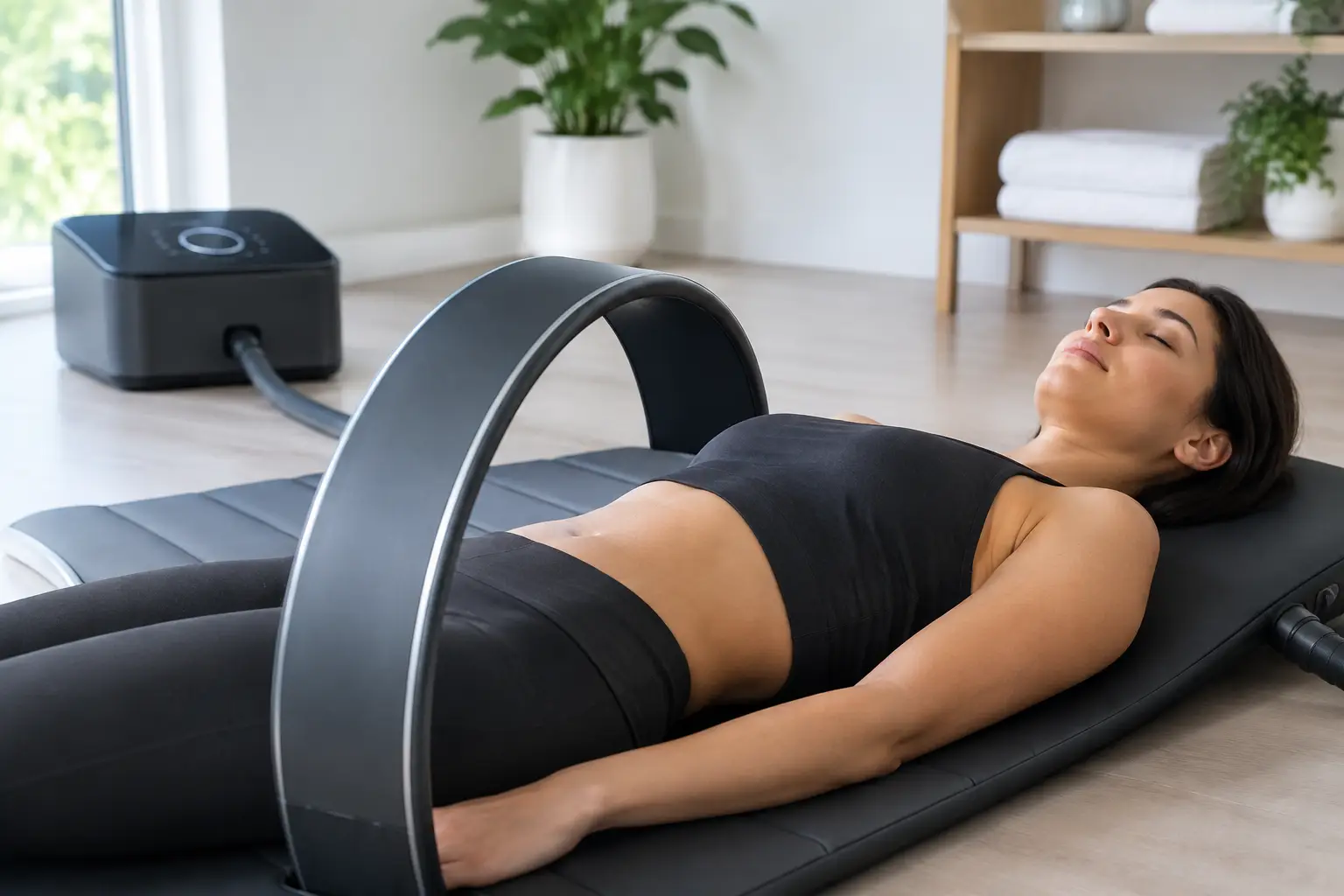
A hard training week, a long day on the treatment floor, or persistent post-workout stiffness can leave clients looking for recovery options that feel effective without adding more strain. PEMF therapy for recovery has become a compelling addition to modern wellness environments because it is passive, noninvasive, and easy to build into a broader performance or relaxation routine.
For recovery studios, fitness facilities, med spas, and high-end home wellness spaces, the appeal is bigger than the technology itself. A quality PEMF system can create a dedicated recovery touchpoint, complement services such as compression therapy, infrared sauna sessions, and red light therapy, and give clients a reason to stay engaged between workouts or appointments. The right fit, however, depends on the equipment, the user, and the expectations being set.
What PEMF Therapy Is Designed to Do
PEMF stands for pulsed electromagnetic field therapy. A PEMF device sends controlled electromagnetic pulses through an applicator, pad, or full-body mat. Depending on the system, sessions may be designed for full-body relaxation or targeted support for areas such as the back, shoulders, knees, hips, or legs.
The practical goal is to support the body's natural recovery processes. Users commonly seek PEMF sessions for temporary muscle comfort, relaxation, mobility support, and a sense of restoration after training or physically demanding days. Some research has explored electromagnetic field exposure in areas including pain management and bone healing, but results can vary by condition, device settings, and treatment protocol. That distinction matters.
A premium wellness device should not be positioned as a cure, a replacement for medical care, or a guaranteed answer to chronic pain. It is better understood as a recovery modality that may complement sensible training, sleep, hydration, nutrition, physical therapy, and clinician-directed care when needed.
Why PEMF Therapy for Recovery Fits Modern Wellness Menus
Recovery is no longer a niche service reserved for professional athletes. Busy professionals, active adults, aging clients, and wellness-minded homeowners all want ways to feel more prepared for the next day. They also want options that do not require intense effort, lengthy appointments, or downtime.
PEMF is well suited to that demand. A session is typically comfortable and quiet, allowing users to rest while the system runs. That makes it a practical service before or after a workout, between body-contouring appointments, following a massage, or as a standalone recovery session.
For commercial operators, this flexibility can support both member retention and service-menu differentiation. A recovery studio may pair a PEMF session with compression boots for a focused lower-body reset. A med spa may use it as a calming add-on within a broader rejuvenation experience. A fitness club can position it as part of a premium recovery membership rather than simply another piece of equipment on the floor.
At home, the value is convenience. A professional-grade PEMF mat or targeted device gives the owner a dedicated space to decompress after travel, golf, strength training, long workdays, or high-impact activity. The best residential setup is one the household will actually use, which often means selecting a device with straightforward controls, a comfortable surface, and a session length that fits real routines.
The Benefits Clients May Notice
The most credible way to discuss PEMF is to focus on support rather than promises. Individual experiences vary, but users often report feeling more relaxed, less stiff, or more comfortable after a session. For someone who has spent the day standing, training, traveling, or working at a desk, that can be meaningful.
Potential recovery-oriented benefits may include support for relaxation, temporary relief of minor muscle soreness, a feeling of improved circulation, and easier movement after exertion. Some users also value the chance to lie down in a low-stimulation environment, which can help turn recovery into a repeatable ritual rather than an afterthought.
The experience is not identical for everyone. A high-level athlete managing a demanding training schedule may use PEMF frequently as one component of a disciplined recovery plan. A homeowner may use the same technology a few times per week simply to unwind. Neither approach is wrong, but the expected outcome and purchasing decision should reflect the actual use case.
What PEMF Does Not Replace
PEMF equipment is not a substitute for a diagnosis, rehabilitation plan, or emergency medical attention. New, severe, or unexplained pain should be evaluated by a qualified healthcare professional. Operators should also avoid language that suggests their device can treat disease, repair injuries, or produce specific medical outcomes unless those claims are supported by the device's regulatory status and approved labeling.
This is not a limitation in the sales conversation. Clear boundaries build confidence. Clients are more likely to return when a business presents PEMF as a premium wellness and recovery experience with realistic benefits, not a miracle solution.
Choosing the Right PEMF System
Not all PEMF systems deliver the same experience. Frequency range, field intensity, waveform design, applicator size, programming options, build quality, and intended use can all differ. A compact targeted applicator may be ideal for a treatment room, while a full-body mat or lounger may be a stronger fit for a recovery lounge or home spa.
Commercial buyers should begin with traffic flow and revenue strategy. Consider where sessions will take place, how staff will introduce the service, whether the device needs to accommodate a broad range of body types, and how easily surfaces can be cleaned between clients. The equipment should look appropriate beside the rest of the facility's premium offerings. Design matters when clients are evaluating a high-ticket membership or treatment package.
Also consider session throughput. A system that requires staff-intensive setup may work well in a one-on-one clinical-style environment but may be less efficient in a busy wellness center. Conversely, a comfortable, self-guided system with preset programs can make it easier to create a repeatable service model. The right model is not always the most feature-heavy one. It is the one that fits operational reality.
Residential buyers should prioritize comfort, ease of use, storage needs, and manufacturer support. A powerful device that sits unused is not a strong investment. Look for clear operating instructions, durable construction, and a supplier that can help with product selection, setup questions, service, and long-term ownership.
Building a Recovery Experience Around PEMF
The strongest results from a business perspective come from positioning PEMF as part of an intentional experience. Instead of selling a vague session, create a defined recovery pathway. A 30-minute reset may include a PEMF mat followed by compression therapy. A post-training package may combine hydration guidance, infrared warmth, and a quiet PEMF session. The emphasis should be on comfort, consistency, and client goals.
Staff education is essential. Team members do not need to make medical claims to explain the service well. They should be able to describe what the session feels like, who may enjoy it, how long it lasts, and how it fits alongside other recovery services. They should also know when to pause and refer a client to their healthcare provider.
Before use, operators should follow the manufacturer's instructions and screen for contraindications. People with implanted electronic devices, such as pacemakers, should not use PEMF equipment unless cleared by their physician and the device manufacturer. Pregnancy, active medical conditions, recent procedures, and other individual circumstances may also require medical guidance. Proper intake and documentation protect the client experience and the business.
A Smart Investment Starts With the Right Partner
PEMF can be a valuable addition when it supports a clear business goal: expanding a recovery menu, improving premium membership value, elevating a home wellness environment, or creating a more complete performance offering. It works best when the equipment quality, client education, and service design match.
Sun Spa Wellness helps buyers evaluate professional wellness equipment with the broader ownership picture in mind, including product selection, financing options, service support, and long-term operation. That level of planning matters with specialty equipment, where the purchase is only the beginning of the client experience.
The most useful question is not whether PEMF is a trend. It is whether a well-chosen PEMF system gives your clients or household a recovery ritual they will return to consistently. When it does, it becomes more than a device - it becomes a practical part of how people feel, move, and recharge.
