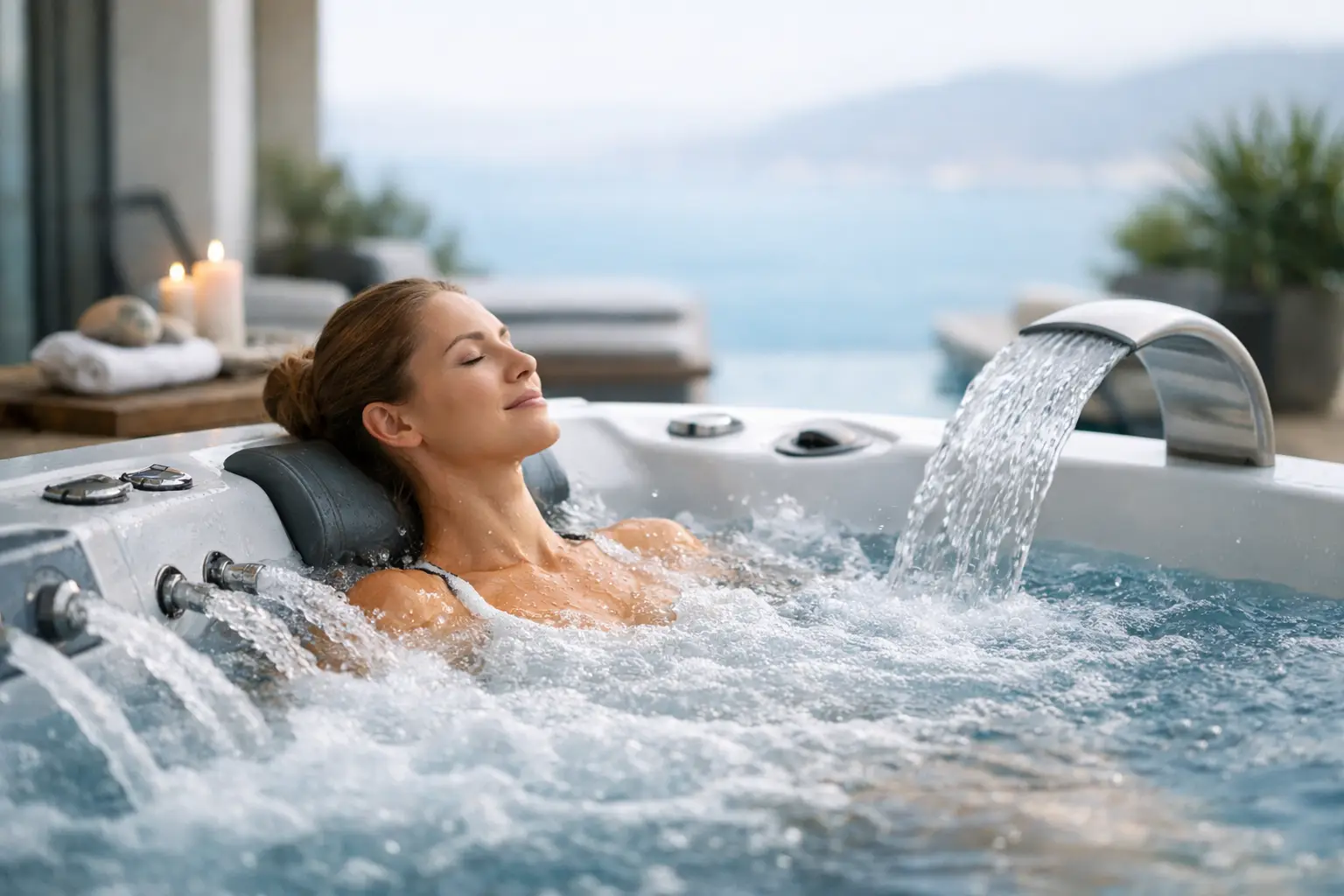
A treatment room does not have to be wet, complicated, or labor-intensive to deliver a premium recovery experience. That is exactly why spa hydromassage systems continue to gain attention from wellness operators and high-end homeowners who want strong results, efficient turnover, and a polished service offering.
For commercial buyers, the appeal is straightforward. Hydromassage can expand a menu with a service that supports relaxation, circulation, muscle recovery, and stress relief without requiring the staffing demands of many hands-on treatments. For residential buyers, it offers a practical way to bring spa-grade recovery and rejuvenation into a home wellness space without building out a full hydrotherapy suite.
Why spa hydromassage systems stand out
Hydromassage sits at the intersection of comfort and performance. Clients and homeowners are often drawn in by the immediate sensory benefit - warmth, pressure, and rhythmic water movement - but the staying power comes from how versatile the experience can be.
In a commercial setting, that matters. A service that feels luxurious yet fits cleanly into a recovery, beauty, or relaxation program has real operational value. It can complement massage therapy, body contouring, infrared sauna sessions, red light therapy, cryotherapy, or post-workout recovery services. Instead of competing with those offerings, hydromassage often strengthens them by giving clients another reason to stay longer, return more often, or purchase packages.
The residential case is slightly different but just as compelling. Homeowners investing in premium wellness equipment usually want more than aesthetics. They want daily usability. A hydromassage system answers that need because it can serve multiple goals at once, from winding down after work to easing general muscle tension after exercise.
What spa hydromassage systems actually do
At a basic level, these systems use heated water pressure to create a massage effect across targeted areas of the body. Depending on the equipment design, users may experience rolling pressure patterns, adjustable intensity, temperature control, and programmed massage zones.
That sounds simple, but the buying decision is rarely simple. Two systems can both be called hydromassage while delivering very different user experiences. One may be designed for quick, automated sessions in a high-traffic commercial environment. Another may emphasize a more immersive luxury feel for private use or premium spa settings.
The best way to think about hydromassage is not as a generic category, but as a business or lifestyle tool. The right system should match the pace of the environment, the expectations of the user, and the outcomes you want to promote.
Commercial use: recovery value and revenue potential
For spa owners, salon operators, recovery studios, and wellness centers, equipment has to do more than look impressive. It has to earn its floor space. That is where hydromassage can become a smart addition.
A well-positioned system can help create a low-friction service model. Sessions are typically easy to schedule, simple to explain, and accessible to a wide range of clients. That lowers the barrier to trial, which is useful when introducing a new category into your menu. It can also support membership models, session upgrades, or bundled recovery packages.
There is another advantage that experienced operators tend to appreciate quickly: throughput. Some wellness services require a treatment room, a highly trained provider, cleanup time, and a narrow scheduling window. Hydromassage can be more efficient. That does not mean it replaces hands-on care. It means it can fill a valuable role between premium manual services and quick self-guided treatments.
Still, there are trade-offs. If your clientele expects an intensely customized therapeutic experience, a fully automated hydromassage session may be better positioned as a complement rather than a substitute. Messaging matters. Clients respond better when the treatment is framed accurately - as a recovery, relaxation, or circulation-supporting service - instead of being oversold as a cure-all.
Spa hydromassage systems for home wellness spaces
Residential buyers often approach this category with a different set of questions. They are usually less concerned with service menu design and more focused on convenience, comfort, and long-term value.
A home hydromassage system can make sense for households that already prioritize wellness technology. If someone is building a recovery room, home spa, or performance-focused wellness area, hydromassage fits naturally alongside infrared heat, compression therapy, red light, or flotation-based relaxation tools.
The strongest home-use benefit is consistency. A wellness tool that is easy to use tends to get used more often. That may sound obvious, but it is one of the biggest differences between equipment that becomes part of a routine and equipment that turns into an expensive design feature. Buyers should look closely at ease of operation, cleaning requirements, noise levels, footprint, and how the unit fits the overall space.
Design matters too. In high-end residential environments, visual integration is not a small detail. Equipment should feel premium, intentional, and aligned with the rest of the room. Function brings the value, but form affects whether the system feels like a smart investment or an awkward add-on.
Features that matter before you buy
When buyers compare hydromassage equipment, they sometimes focus first on surface-level specifications. A more useful approach is to evaluate how the system will perform over time in the real setting where it will live.
Build quality should be near the top of the list. Commercial operators need equipment that can withstand repeated daily use without becoming a maintenance headache. Residential buyers should think the same way, even if session volume is lower. Premium equipment is a long-term purchase, and reliability affects the ownership experience as much as the treatment itself.
Programmability is another major factor. Adjustable pressure, session length, body targeting, and temperature control can make a meaningful difference in user satisfaction. A broad range of settings gives operators more flexibility in how they position the service, and it gives homeowners more ways to personalize the experience.
Then there is maintenance. This is one of the least glamorous parts of the buying decision, but it has a direct effect on profitability and usability. Some systems are easier to clean, service, and keep in rotation than others. Before purchasing, it is worth asking what maintenance looks like in practice, what support is available, and how downtime is handled if service is needed.
Placement, positioning, and client experience
Hydromassage performs best when it is not treated like an afterthought. In a commercial setting, placement influences perceived value. If the system feels tucked away or poorly explained, clients may view it as a secondary add-on. If it is integrated thoughtfully into the customer journey, it can become one of the most approachable and repeatable services you offer.
That can mean using it as a pre-treatment warm-up, a post-workout recovery option, or a stand-alone express relaxation service. The right positioning depends on your business model. A med spa may present it as part of a rejuvenation and recovery package. A fitness recovery studio may lean into performance enhancement and muscle relief. A day spa may emphasize stress reduction and premium comfort.
For home installations, placement influences usage patterns. A unit that is accessible, visually appealing, and integrated into a calming environment is more likely to become part of a routine. Buyers should think beyond square footage and consider privacy, lighting, electrical requirements, and the feel of the space before finalizing a purchase.
Where hydromassage fits in a modern wellness portfolio
The broader wellness market has shifted toward equipment that delivers visible value without unnecessary complexity. That is part of the reason hydromassage remains relevant. It is intuitive, marketable, and adaptable across multiple wellness categories.
It also pairs well with the current demand for recovery-focused services. Clients are not only looking for pampering. They are looking for solutions that help them feel better, recover faster, and maintain performance. Hydromassage aligns with that demand while still offering the comfort and relaxation people expect from a spa environment.
For buyers building a premium wellness offering, the question is not whether hydromassage sounds appealing. It usually does. The better question is whether the system supports your operational goals, brand positioning, and client expectations. That is where an experienced equipment partner becomes valuable. Sun Spa Wellness serves buyers who need more than a product description - they need guidance on fit, functionality, and long-term ownership.
The smartest equipment choices are rarely about chasing trends. They are about selecting technology that clients will actually use, that fits the space, and that keeps delivering value long after the showroom appeal wears off. Spa hydromassage systems do that well when the purchase is made with clear goals and realistic expectations.
