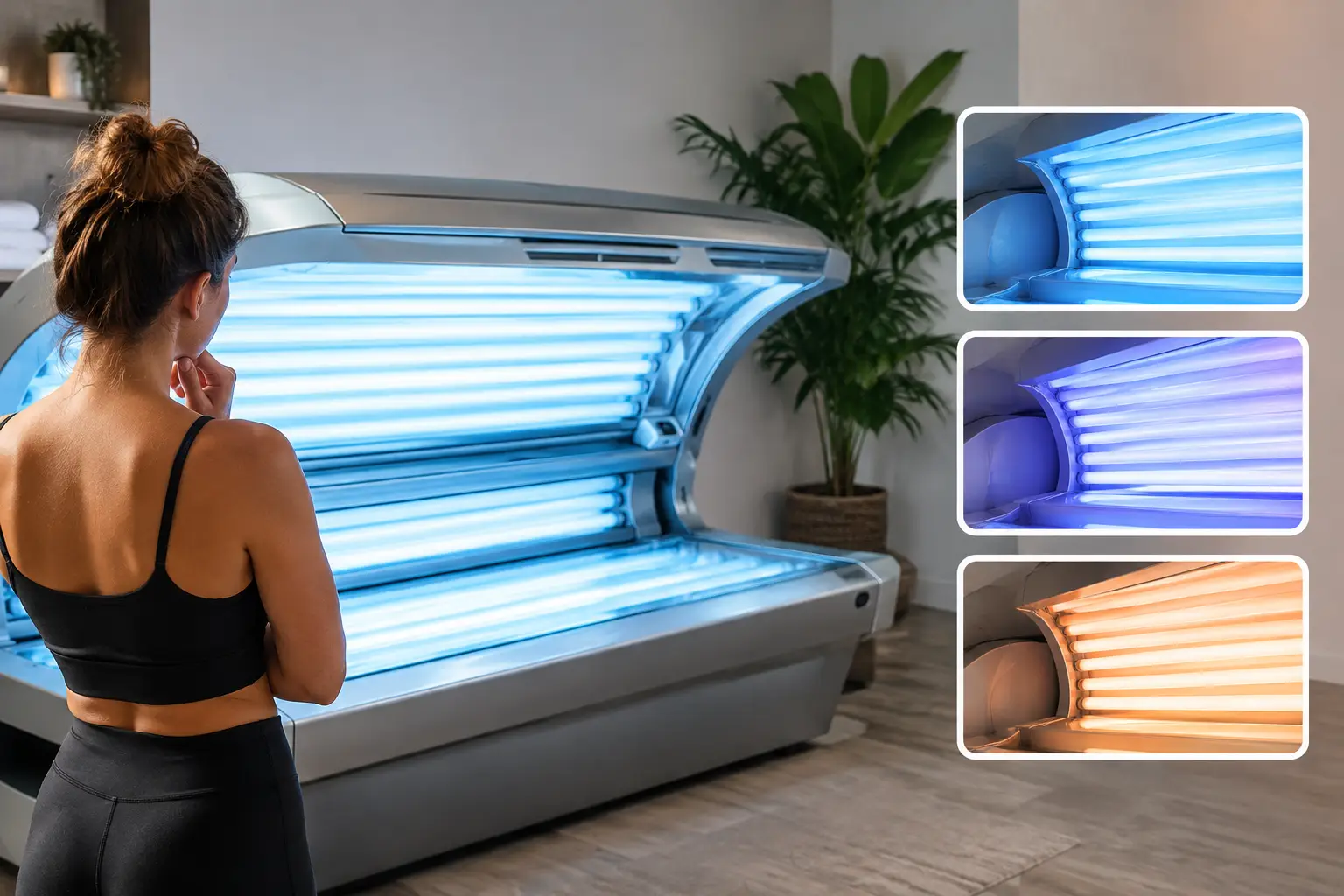
A tanning system can look impressive on a showroom floor and still be the wrong fit for your salon, spa, or home wellness space. In a meaningful tanning bed wattage comparison, higher numbers may signal more lamp power, but they do not automatically mean better color, shorter sessions, lower operating cost, or a more premium client experience. The strongest buying decisions look beyond wattage and evaluate the complete performance package.
For commercial operators, that distinction affects utilization, membership value, energy planning, maintenance schedules, and customer satisfaction. For residential buyers, it shapes how efficiently a system fits into a dedicated home spa environment. Wattage matters, but it only makes sense when viewed alongside lamp technology, reflector design, UV output, cooling, ergonomics, and the intended user.
What Tanning Bed Wattage Actually Measures
Wattage measures the electrical power assigned to a lamp or component. In conventional UV tanning equipment, body lamps are often rated around 100 watts, while larger high-pressure facial lamps may be rated at 250, 400, or more watts. A bed with more total lamp wattage can have a higher potential output, but the total is only one part of the story.
A 100-watt lamp in one system will not necessarily perform like a 100-watt lamp in another. Lamp length, phosphor blend, reflector geometry, ballast type, acrylic condition, lamp age, cooling airflow, and canopy-to-body distance all influence the UV reaching the user. That is why two models with similar total wattage can produce noticeably different experiences and results.
The number on a specification sheet can also refer to lamp rating rather than the unit's full electrical draw. Fans, cooling systems, control electronics, accent lighting, and optional entertainment features consume power as well. When evaluating facility requirements, ask for the equipment's stated electrical specifications, including voltage, amperage, circuit requirements, and recommended installation conditions.
Tanning Bed Wattage Comparison: Power Versus Performance
The most useful comparison begins by separating lamp categories. Standard low-pressure lamps generally provide broad, even exposure across the body. Higher-wattage low-pressure configurations can support a more energetic tanning experience, particularly in larger commercial systems designed for faster client turnover.
High-pressure facial lamps serve a different purpose. Their output is concentrated in the facial area and often engineered to support cosmetic bronzing with a different UVA and UVB balance than surrounding body lamps. A bed with high-wattage facials may offer a more refined, face-forward session, but that does not mean every customer needs them or that they are the best investment for every location.
Consider these common comparisons:
- 100-watt body lamp systems are often a practical fit for entry-level commercial use, value-focused salons, and homeowners who want reliable professional-style tanning without pursuing the highest-performance category.
- 160-watt or higher body lamp systems are typically associated with premium commercial equipment, where stronger lamp configurations, upgraded cooling, and sophisticated reflector systems may support shorter published session times and a more elevated experience.
- High-pressure facial lamp packages can differentiate a premium unit, especially for salons serving clients who value facial color development and luxury features.
- LED and hybrid systems should not be judged by UV lamp wattage alone. All-LED solariums and wellness-focused devices use different technologies and performance goals, such as skin appearance support, red light benefits, or a UV-free rejuvenation experience.
The right choice depends on the business model. A high-volume tanning salon may prioritize throughput and premium upgrades. A med spa may favor a more design-forward system that aligns with its broader rejuvenation menu. A homeowner may place greater weight on comfort, aesthetics, dedicated electrical capacity, and a unit that complements the rest of a private wellness suite.
Why More Watts Do Not Always Mean Faster Results
Published session times are based on the equipment's regulated design and certified performance, not simply on total watts. A well-engineered system can use its lamp power more efficiently through advanced reflectors, optimized spacing, controlled cooling, and consistent electrical performance.
Cooling is a clear example. Lamps generate heat, and excess heat can affect comfort and lamp performance. Premium systems manage airflow across the body and through the equipment to help maintain a more pleasant session. A client who is comfortable is more likely to complete the session, return regularly, and view the experience as a high-end service rather than a basic utility.
Lamp maintenance matters just as much. UV lamps gradually lose output over time, even if they still illuminate. A high-wattage bed with aging lamps may underperform a lower-wattage unit that has been properly maintained. Commercial operators should track lamp hours, inspect acrylics, clean cooling pathways, and follow manufacturer replacement recommendations. These operational details protect consistency and preserve the investment.
Skin type also remains a controlling factor. Equipment wattage should never be used to push longer exposure or override recommended session schedules. Responsible use requires following the manufacturer's exposure schedule, applicable regulations, and trained-staff protocols. Anyone with concerns about UV exposure, medications, skin sensitivity, or personal risk factors should consult a qualified healthcare professional before use.
Compare the Features That Shape the Client Experience
When buyers focus only on wattage, they can miss the features that justify a premium price point. In a competitive salon market, clients often remember the comfort, design, and personalization of the session as much as the technical specifications.
Look closely at the bed's layout. More lamps do not always create better coverage if the body position, canopy design, or reflector system is poorly executed. A spacious interior, even lamp distribution, contoured acrylics, shoulder tanners, facial lamp controls, and adjustable ventilation can make a meaningful difference in perceived quality.
Control systems deserve attention as well. Digital interfaces, session tracking, adjustable comfort settings, and clear maintenance diagnostics simplify operations for staff. For a multi-service wellness business, intuitive controls reduce training friction and help deliver a consistent guest experience across shifts.
Aesthetic value is commercially relevant. Premium tanning systems can become a visible part of a salon's brand presentation, especially when the equipment is positioned as a luxury upgrade rather than an add-on. Modern styling, ambient lighting, and polished finishes can support higher-tier memberships and packages when the rest of the client journey matches the equipment's level.
Calculate Operating Cost Before You Buy
A high-wattage tanning bed can be a strong revenue-producing asset, but it requires realistic operating planning. The cost is not just the unit's wattage multiplied by session length. Include fan load, HVAC impact, electrical infrastructure, lamp replacement, cleaning supplies, service access, downtime risk, and local utility rates.
For example, a more powerful commercial system may draw more electricity per session, yet still make financial sense if it supports a premium price, reduces turnover time, and attracts clients who would otherwise choose a competing salon. Conversely, a lower-output system may be more economical for a home environment where daily volume is limited and the owner values moderate energy demand.
Before selecting equipment, clarify whether your space has the correct electrical service. Some premium units require dedicated circuits and professional installation. Ventilation and room temperature should also be considered early, particularly in facilities with several units operating at once. Retrofitting power or climate control after delivery can add avoidable cost and delay opening plans.
Choosing the Right Wattage for Your Business or Home
For a salon owner, the best system is not necessarily the highest-wattage model available. It is the one that fits the target customer, supports the service menu, aligns with available utility capacity, and creates a credible return on investment. A premium flagship unit can help anchor top-tier pricing, while a balanced mix of equipment categories can serve different budgets and preferences.
For homeowners, prioritize a system with professional-grade build quality, a comfortable session environment, and practical installation requirements. A private wellness room may also include red light therapy, infrared, recovery technology, or other non-UV options, making it worthwhile to select equipment that complements the larger space rather than competing for power, floor area, and attention.
Sun Spa Wellness works with buyers who are making these decisions as part of a larger business or wellness investment. The most productive conversation starts with your goals: client volume, service positioning, available space, electrical capacity, design expectations, and the type of results-oriented experience you want to create.
A well-chosen tanning system should feel like an asset from the first session onward: powerful where it counts, comfortable to use, practical to maintain, and aligned with the level of service your clients or household expect.
