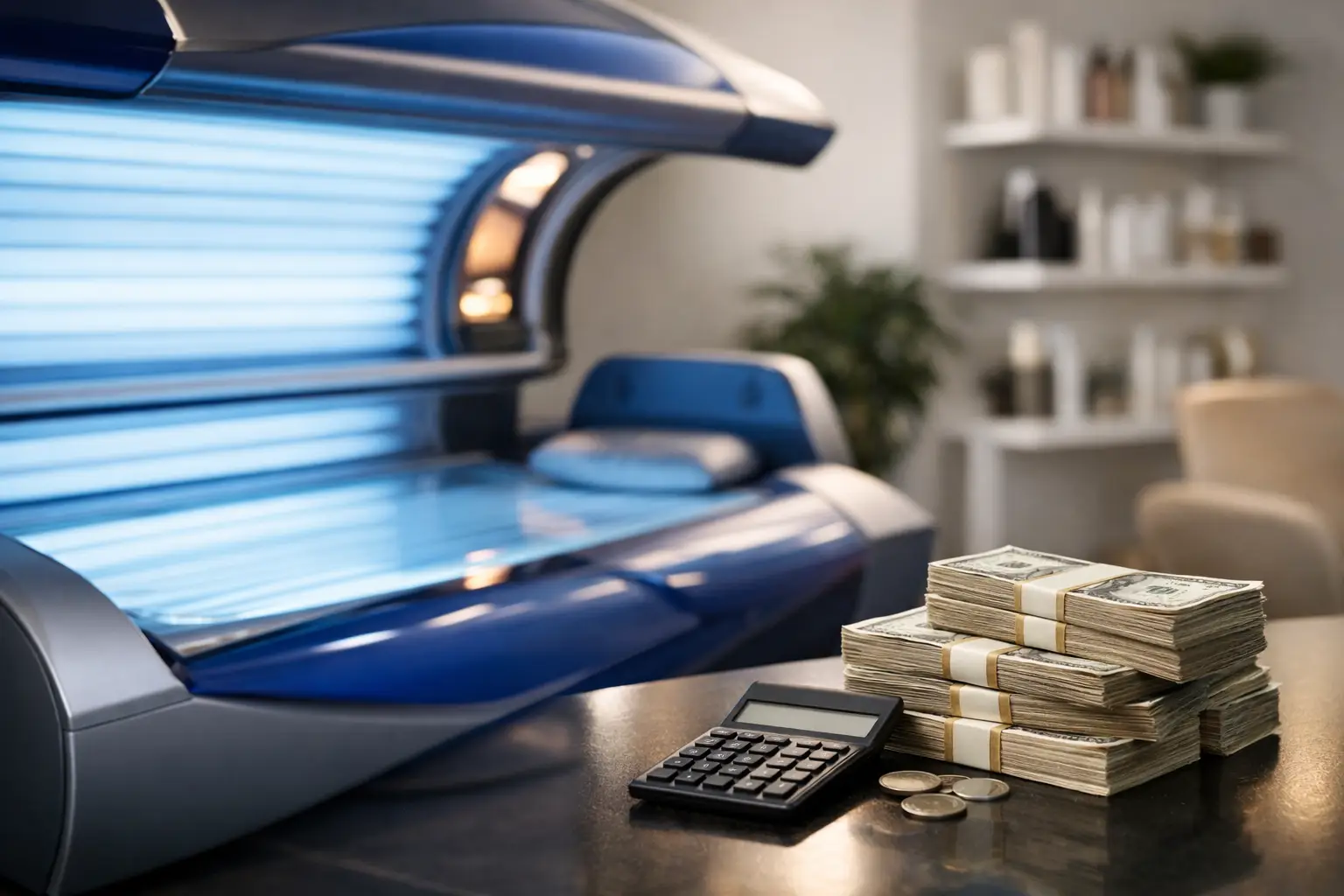
A tanning room that stays booked from late afternoon through closing can outperform a lot of bigger-ticket services on a per-square-foot basis. That is why salon owners and wellness operators keep asking the same practical question: are tanning beds profitable when you factor in equipment cost, staffing, maintenance, and market demand?
The honest answer is yes, tanning beds can be profitable - but not automatically. Profit depends on how you position the service, what equipment you install, how you price sessions and memberships, and whether tanning is standing alone or part of a broader wellness menu. A well-run operation with modern equipment and strong utilization can produce healthy margins. An outdated setup with weak marketing and low client retention can turn into expensive floor décor.
Are tanning beds profitable in today's salon market?
For many operators, they still are. Tanning remains a service with a relatively low labor requirement, repeat-visit potential, and strong package or membership appeal. Once the equipment is installed and the room is built out, each additional session can generate revenue without adding much staffing cost.
That operating model matters. A massage room, facial room, or body treatment suite depends heavily on therapist availability. A tanning room does not. Staff still handle check-in, cleaning, retail, and scheduling, but the service itself is not labor-intensive in the same way. That can create attractive contribution margins, especially in businesses already set up to manage memberships and recurring visits.
The other reason tanning can still perform well is adjacency. A tanning bed inside a salon, spa, health club, or wellness center often benefits from existing traffic. Clients who come in for beauty, body shaping, recovery, or skin-focused services may add tanning as part of a broader appearance or self-care routine. In that setting, tanning is not competing as an isolated category. It is part of a more valuable customer relationship.
What actually drives tanning bed profitability
The first factor is utilization. One bed that stays busy can outperform multiple beds that sit idle. Owners sometimes focus too much on purchase price and not enough on expected occupancy. A premium bed with stronger aesthetics, better comfort, shorter session times, and more visible results can generate more bookings than a lower-cost model that feels dated or underwhelming.
Pricing strategy matters just as much. Single-session sales rarely maximize profit. The stronger model is usually a mix of monthly memberships, session packages, upgrades, and bundled offers. Memberships improve cash flow predictability. Upgrades increase average ticket. Packages help reduce buyer hesitation while giving clients a reason to return.
Equipment mix is another lever. Not every tanning customer wants the same experience. Some are price-sensitive and just want access. Others are looking for premium features, modern design, faster sessions, or a more elevated salon environment. Offering a tiered tanning lineup can help you serve both groups without compressing your pricing.
Then there is retail. Lotion, skincare support products, and post-session enhancements can materially improve profitability. The tanning room may drive the visit, but attached product sales often raise the revenue per client enough to change the economics of the category.
Costs that shape the real margin
Anyone evaluating whether tanning beds are profitable should start with the full cost picture, not just the equipment invoice. The bed itself is only one part of the investment.
Buildout costs can include electrical upgrades, ventilation, room construction, compliance requirements, and interior finishes. In many locations, utility usage is also a meaningful line item. Lamp replacement, acrylic maintenance, cleaning supplies, repairs, and service support all affect long-term cost of ownership.
There is also the financing question. Financing can make a premium system more accessible and preserve working capital, which is often smart for growing operators. But monthly payments need to be weighed against conservative revenue projections, not best-case optimism.
This is where many buyers make better decisions by looking beyond sticker price. A lower-cost unit can seem attractive until downtime, shorter component life, weaker client appeal, or limited support start to erode revenue. Premium commercial equipment often carries a higher upfront cost, but it can deliver stronger uptime, better client experience, and a longer useful lifespan. Those factors matter if tanning is expected to contribute for years, not just one season.
Seasonality is real, but it is not the whole story
Tanning has seasonal swings. In many markets, demand rises sharply before spring break, summer vacations, weddings, and warm-weather social events. That seasonality can be a strength if you plan for it. Peak demand creates opportunities for premium pricing, package sales, and aggressive membership conversion.
But relying only on seasonal traffic is risky. The most stable operators create year-round reasons to retain clients. That can include combining tanning with red light therapy, wellness memberships, spa packages, or beauty-focused service bundles. Clients who see tanning as part of an ongoing self-care routine are more valuable than clients who appear once a year before a trip.
Geography also changes the equation. In some regions, tanning has stronger built-in demand due to climate, local demographics, and beauty trends. In others, it works better as one service inside a diversified wellness business. The same bed can perform very differently depending on market fit.
When tanning beds make the most sense
Tanning tends to be most profitable in businesses that already understand recurring revenue and customer retention. Established salons, multi-service spas, fitness and recovery concepts, and wellness centers often have an advantage because they can market tanning to an existing client base.
It also makes sense when the operator is committed to presentation. Clients notice room design, equipment quality, cleanliness, and the overall feel of the experience. A premium tanning system in a polished environment can justify stronger pricing than a bare-bones setup that competes only on discounts.
Another favorable scenario is when the business uses tanning to increase customer lifetime value rather than treating it as a standalone profit center. If one tanning membership also leads to skincare retail, body contouring trials, or recovery service add-ons, the full business impact is larger than the tanning revenue alone.
When profitability gets squeezed
The weak points are predictable. Old equipment is one. If the bed looks dated, delivers an uneven experience, or breaks too often, clients notice quickly. That reduces repeat visits and pushes the business toward discounting.
Oversupply is another issue. Too many beds for the market can leave expensive assets underused. More rooms do not automatically mean more profit. Capacity only helps if demand supports it.
Poor pricing discipline also hurts margins. Owners sometimes underprice sessions because they are worried about competition. The result is a service that stays busy but does not produce enough return to cover capital costs and ongoing overhead. Busy and profitable are not the same thing.
The final pressure point is weak integration with the rest of the business. If tanning is added as an afterthought without staff training, marketing support, package design, or room-level sales goals, performance usually reflects that lack of strategy.
How to evaluate ROI before you buy
A smart buyer should model tanning revenue with moderate assumptions, not peak-month fantasy numbers. Estimate how many sessions or memberships you can realistically sell in your market, what average revenue per user looks like, and how many months it will take to stabilize utilization.
Then compare that revenue against all fixed and variable costs. Include financing, utilities, replacement parts, supplies, maintenance, insurance considerations, and the opportunity cost of the room itself. Ask a simple question: what else could this square footage earn?
That comparison matters. If a tanning room can generate strong recurring revenue with lower labor demands than another service, it may be an efficient use of space. If the same room would produce more profit with another treatment category in your market, the answer may be different.
It also pays to think in tiers of return. The first level is direct tanning revenue. The second is attached retail. The third is cross-selling into adjacent beauty and wellness services. Operators who plan for all three usually make better equipment decisions than those who only ask what one session is worth.
A premium approach usually wins
If you are asking whether are tanning beds profitable enough to justify a serious investment, the strongest answer usually comes from a premium positioning strategy. Modern equipment, a clear membership model, thoughtful room design, and reliable service support create a much stronger business case than chasing the cheapest machine available.
That does not mean every location needs the most expensive system on the market. It means the equipment should match the brand you are building and the clients you want to attract. For many salon and wellness operators, better equipment does more than tan - it signals quality, supports pricing power, and helps the business compete on experience instead of discounts.
For buyers who want tanning to be a durable revenue category, not just a seasonal side offer, working with a supplier that understands financing, maintenance, commercial reliability, and long-term growth can make the numbers far more predictable. Sun Spa Wellness operates in that lane.
A tanning bed should not be judged only by what it costs to buy. The better question is what it can produce, how well it fits your market, and whether it strengthens the kind of business you actually want to run.
