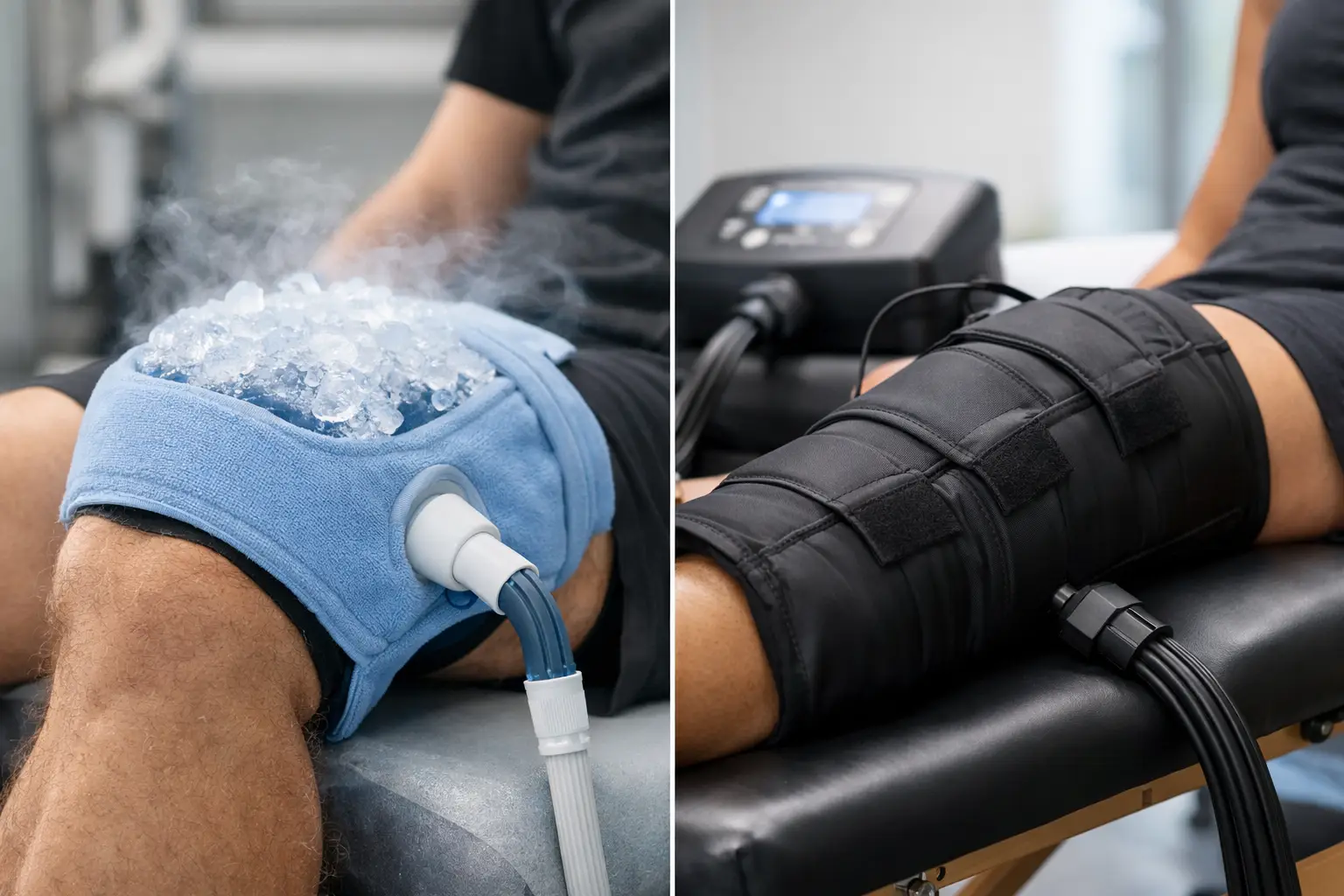
A client finishes a hard training session, steps off the treatment table, and asks a question that can shape your recovery menu: should they use cold therapy or compression next? The right answer is rarely one-size-fits-all. In the conversation around cryotherapy versus compression, the better choice depends on the client’s goal, health profile, treatment preference, and the experience your facility wants to deliver.
For wellness operators, both modalities can add a premium recovery touchpoint that encourages repeat visits. For homeowners, each offers a practical way to build a more complete performance and rejuvenation space. Their mechanisms, session flow, and equipment requirements are very different, however. Understanding those differences makes it easier to invest with purpose rather than simply follow a trend.
Cryotherapy Versus Compression: The Core Difference
Cryotherapy exposes the body, or a targeted area, to very cold temperatures for a short period. Whole-body cryotherapy typically uses a specialized chamber or cryosauna, while localized systems direct cold air at a specific region. The experience is fast, stimulating, and highly visible - a strong fit for clients looking for a high-performance recovery ritual.
Compression therapy uses pneumatic sleeves, boots, or garments that inflate and deflate in programmed sequences. This rhythmic pressure is designed to support circulation and lymphatic movement, ease the feeling of muscle heaviness, and promote relaxation after activity or long periods on the feet. Sessions are generally longer than cryotherapy and can feel restorative rather than intense.
Both are commonly positioned around recovery, wellness, and performance enhancement. They are not interchangeable clinical treatments, and neither should be presented as a substitute for medical care. A well-run business establishes clear screening procedures, follows equipment protocols, and directs clients with medical concerns to an appropriate healthcare professional.
What Clients Feel During Each Session
The client experience matters because it influences whether a service becomes a one-time novelty or a reliable part of a membership routine.
A cryotherapy session is brief and energizing. Clients may describe an immediate rush, alertness, or invigorated feeling after stepping out of the chamber. The dramatic visual of a cold therapy session also creates strong marketing appeal for recovery studios, athletic facilities, and modern med spa environments. It can work especially well as a quick standalone service or as an add-on before a red light, infrared, or relaxation treatment.
Compression therapy is quieter and more passive. The client settles into a chair or recovery lounge while the garments cycle through pressure patterns. That makes it an excellent fit for clients who want to decompress, catch up on messages, or pair recovery with a calm, upscale environment. For a salon or spa, compression can broaden the service menu without requiring the same level of intensity or client hesitation that cold exposure may create.
The preference often comes down to temperament. Clients who want a fast, bracing reset may gravitate toward cryotherapy. Those seeking a comfortable recovery appointment after travel, training, work, or standing all day may choose compression.
Benefits and Limitations to Consider
Cryotherapy is often selected for its short treatment time and its premium, performance-oriented positioning. A commercial chamber can become a centerpiece service that differentiates a facility from a standard gym or salon. For the right audience, it supports a high-value recovery experience with efficient appointment turnover.
Its limitation is that cold tolerance varies. Some clients simply do not enjoy extreme cold, even when sessions last only a few minutes. Whole-body systems also require careful operational planning, including adequate space, staff training, client screening, and attention to the specific ventilation, electrical, and installation needs of the equipment selected.
Compression therapy offers a lower-intensity entry point into recovery. It is easy to incorporate into a lounge-style environment, and multiple clients may be able to use systems at the same time depending on your setup. Because clients remain dressed in comfortable clothing and the treatment is noninvasive, compression can appeal to a wider range of wellness-minded guests.
The trade-off is time. A typical compression session often occupies a chair for 20 to 45 minutes, so scheduling and recovery-lounge capacity matter. The treatment may also be less visually dramatic than a cryotherapy chamber. Operators need to market the practical value clearly: relief from tired, heavy-feeling legs, a relaxing post-workout ritual, and support for circulation-focused recovery.
Choosing Equipment for Your Business Model
The best purchase is the one that aligns with your client base, floor plan, staffing, and revenue strategy.
A performance gym, athlete-focused recovery studio, or high-energy wellness concept may see stronger demand for a cryotherapy chamber. The modality photographs well, feels exclusive, and can support fast appointments. It is particularly compelling when bundled with complementary services such as red light therapy, infrared sauna sessions, PEMF, or body contouring. The goal is not simply to sell cold exposure, but to create a recognizable recovery circuit clients want to repeat.
A day spa, salon, concierge wellness practice, or facility serving busy professionals may find compression therapy a more natural starting point. It gives clients a reason to stay longer and pairs well with a calm, polished lounge environment. Compression can also provide a useful service for fitness members, travelers, beauty clients, and people who spend much of their day sitting or standing.
For affluent residential buyers, the decision is equally personal. A dedicated home gym or performance suite may justify professional-grade cryotherapy for household athletes and wellness enthusiasts. A home spa intended for frequent relaxation may benefit more from compression equipment that can be used while reading, working, or unwinding in the evening.
Before choosing either modality, evaluate four operating questions:
- How much dedicated space, power, and ventilation can the location support?
- Will the service be sold individually, included in memberships, or packaged with other modalities?
- Who will conduct intake, cleaning, equipment checks, and client education?
- Does the target customer want an energizing performance ritual or a comfortable recovery lounge experience?
These answers reveal more than a product comparison. They help determine whether the investment can become a consistent profit center.
When Offering Both Makes Sense
For many established wellness businesses, cryotherapy and compression are complementary rather than competing services. A client may prefer cryotherapy after an intense training day, then schedule compression later in the week for a more relaxed recovery session. Another may avoid cold exposure altogether but become a frequent compression customer.
Offering both also creates room for intelligent package design. A recovery membership can include a defined number of cryotherapy sessions, compression appointments, and upgrades into other services. This approach helps increase average client value while giving staff a more flexible way to personalize recommendations.
The key is to avoid overpromising. Frame the services around how clients want to feel: refreshed, recovered, relaxed, and ready for their next workout or demanding day. Use consistent intake standards and make sure your team understands contraindications and manufacturer instructions. Cold-based modalities and compression systems each have situations where use may not be appropriate, especially for people with certain cardiovascular, circulatory, nerve-sensation, clotting, pregnancy-related, or cold-sensitivity concerns. A qualified clinician should guide clients with questions about their individual suitability.
Build the Recovery Experience, Not Just the Menu
Equipment quality, presentation, and support all influence whether a recovery service feels premium. A polished installation, reliable system, easy sanitation workflow, and staff who can explain the session confidently will do more for retention than a long list of claims.
Sun Spa Wellness helps commercial and residential buyers evaluate professional wellness equipment in the context of the full experience - from premium modality selection to financing, service, and long-term ownership support. That broader planning is especially valuable when a purchase affects your floor plan, service menu, and brand position at the same time.
Choose cryotherapy when your audience values speed, stimulation, and a bold performance statement. Choose compression when comfort, circulation-focused recovery, and a lounge-ready experience lead the decision. When your space and market support both, build a recovery environment that lets every client choose the ritual they will actually return to.
