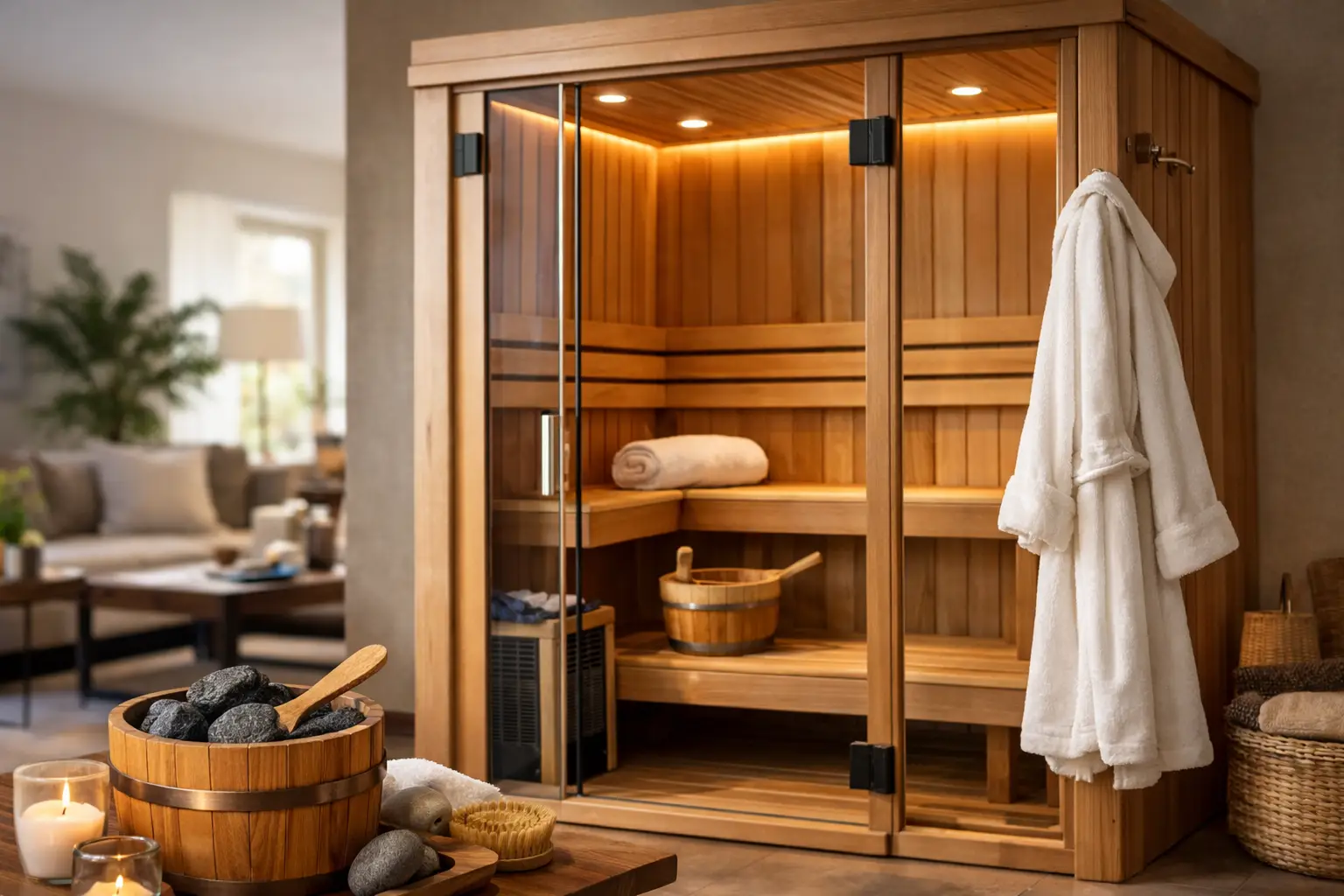
A home sauna can look simple on a product page, then turn into a very different decision once you start comparing heat type, electrical requirements, room size, and long-term ownership costs. That is exactly why a solid home sauna buying guide matters. If you are investing in a premium wellness setup for your residence or adding a recovery-focused amenity to a boutique space, the best choice is rarely the cheapest or the one with the longest feature list.
The right sauna should fit how you actually plan to use it. Some buyers want a quiet daily ritual for stress relief and detox support. Others are focused on muscle recovery, circulation, pain relief, and overall performance enhancement. Those goals overlap, but they do not always point to the same cabin size, heater style, wood choice, or installation plan.
What this home sauna buying guide should help you answer
Before you compare brands or design finishes, get clear on three practical questions. How often will the sauna be used, how many people need to fit comfortably, and what kind of heat experience do you prefer? Those answers shape nearly every other decision, from footprint to power supply.
For most residential buyers, infrared saunas are the first place to look. They are popular because they typically operate at lower ambient temperatures than traditional steam-style saunas while still delivering a deep, penetrating heat experience many users prefer for recovery and relaxation. They also tend to be easier to place in home wellness rooms, primary suites, home gyms, or finished basements because installation is often more straightforward.
That said, the best fit depends on the space and the expectation. If you want a classic high-heat environment with water over stones, a traditional sauna may still be the right move. If your priority is convenience, lower operating intensity, and frequent use, infrared often makes more sense.
Infrared vs. traditional sauna
This is the first major fork in the road. Traditional saunas heat the air to a much higher temperature, creating a hotter overall room. Many users love that immersive heat, especially if they grew up with a classic sauna experience. The trade-off is that these units often require more planning around ventilation, heater setup, and electrical capacity.
Infrared saunas heat the body more directly and usually feel more approachable for first-time users. Sessions can feel easier to sustain, which matters if you are buying for consistent use rather than occasional novelty. For recovery-minded homeowners and commercial operators adding premium wellness services, infrared is often the stronger fit because it combines comfort, modern design, and operational simplicity.
There is no universal winner. Traditional delivers a classic sauna ritual. Infrared aligns well with modern home wellness, convenience, and routine use. Your decision should follow user preference, not nostalgia or marketing language.
Size matters more than most buyers expect
A sauna that technically fits your room can still be the wrong size. Capacity claims are often optimistic, and comfort matters. A two-person unit may work well for one user who wants extra elbow room. A three-person unit may be the practical minimum for two adults who plan to use it together regularly.
Think beyond body count. Consider how people enter and exit, whether anyone wants to stretch their legs, and how the sauna door swings in a tighter room. If the unit is going into a home gym or recovery suite, leave enough clearance so the space still feels premium instead of cramped.
For residential buyers, one- and two-person saunas are popular because they fit more easily and cost less to operate. For higher-end homes, larger cabins can create a more complete spa experience. For commercial settings, sizing should reflect throughput, session timing, and the image you want the equipment to project.
Measure the room, then measure the installation path
This is where good purchases avoid bad surprises. Measure ceiling height, wall clearance, and floor space, but also measure doorways, hallways, stairwells, and turns. A sauna that fits the final room still has to get there.
If the unit will be placed upstairs, in a basement, or in a converted garage, confirm what assembly requires. Some cabins arrive in panels that are easier to maneuver, while others still need careful planning. A polished buying process includes placement strategy, not just product selection.
Heating technology and panel quality
Not all infrared saunas are built the same. One of the biggest differences is the heating system itself. Buyers often see terms like full spectrum, far infrared, low EMF, or carbon heaters and assume they are interchangeable. They are not.
Far infrared systems are widely chosen for their comfort and consistent heat profile. Full-spectrum models may appeal to buyers who want a broader range of infrared wavelengths. The better choice depends on how you prioritize session feel, technology preferences, and budget.
Build quality matters just as much as the heater type. Better saunas tend to offer more even heat distribution, stronger control systems, and a more refined interior experience. Premium units also usually feel more stable over time, with cleaner fit and finish, better benches, and stronger door seals. For a high-ticket wellness investment, those details affect both satisfaction and long-term value.
Materials, craftsmanship, and what to avoid
Wood quality is not just about appearance. It affects durability, aroma, maintenance, and the overall perception of quality. Premium sauna woods should feel solid, cleanly finished, and suited to repeated heating cycles. If a unit looks good online but feels thin, rough, or unstable in person, that is a warning sign.
Pay attention to adhesives, finishes, and interior materials as well. In a heated environment, material choices matter. Higher-quality construction tends to support a cleaner ownership experience and a more premium feel.
Avoid buying based on cosmetic features alone. Colored lights, touchscreen controls, and built-in speakers can be nice additions, but they should not distract from core performance. If the structure, heaters, or warranty support are weak, extra features will not save the purchase.
Electrical requirements can make or break the project
One of the most common mistakes in any home sauna buying guide is treating power as a minor detail. It is not. Some home saunas run on standard household voltage, while larger or more powerful units may require a dedicated 240V circuit.
That difference affects cost, placement, and installation speed. A sauna that needs electrical upgrades may still be the right choice, but you should know that before you buy. For homeowners, this means checking panel capacity and consulting a qualified electrician if needed. For commercial buyers, it means thinking through site readiness as part of the capital purchase.
Operating costs are usually reasonable, especially with quality infrared units, but they should still be part of the decision. If you plan to use the sauna several times a week, efficiency and warm-up time become more relevant than they seem during initial browsing.
Comfort features that are actually worth paying for
Some upgrades are fluff. Others improve daily use enough to justify the premium. Ergonomic bench design, intuitive controls, interior lighting, and reliable temperature management all make a difference if the sauna will be used often.
Audio features, chromotherapy lighting, and app-based controls can be worthwhile for buyers building a more luxurious home spa environment. The key is to separate enhancements that improve the experience from features that mostly decorate the spec sheet.
If the sauna is part of a broader recovery strategy, think about how it pairs with the rest of the room. Placement near a shower, cold therapy setup, red light device, or stretching area can turn a standalone product into a true wellness circuit. That is where a premium home investment starts to feel purposeful instead of indulgent.
Warranty, service, and support are part of the product
A sauna is not just a box with heaters. It is a long-term equipment purchase. That means warranty coverage, service access, replacement parts, and post-sale support should carry real weight in your decision.
This matters even more with premium wellness equipment. When buyers focus only on sale price, they often overlook what happens if a control panel fails, a heater underperforms, or a part needs to be replaced years later. A dependable supplier adds value by helping you buy correctly, install confidently, and maintain the system over time.
That is one reason many serious buyers work with established equipment partners such as Sun Spa Wellness rather than treating a sauna like a casual online furniture purchase. Expertise, service infrastructure, and access to premium brands can reduce risk in ways that are hard to see on a simple spec comparison.
Budgeting for the real purchase, not just the sticker price
Set your budget around total ownership, not just the advertised unit cost. Delivery, electrical work, placement preparation, and optional upgrades can change the final number. In some cases, spending more upfront on a better-built unit with stronger support is the lower-cost move over time.
That does not mean every buyer needs the most expensive model. It means the smart purchase is the one that aligns with your usage, space, and performance expectations. If your sauna will be used three or four times a week for years, quality tends to pay you back in comfort, reliability, and consistency.
A premium home sauna should feel like a considered investment every time you step inside. Buy for the experience you want six months from now, not just the excitement you feel on order day.
