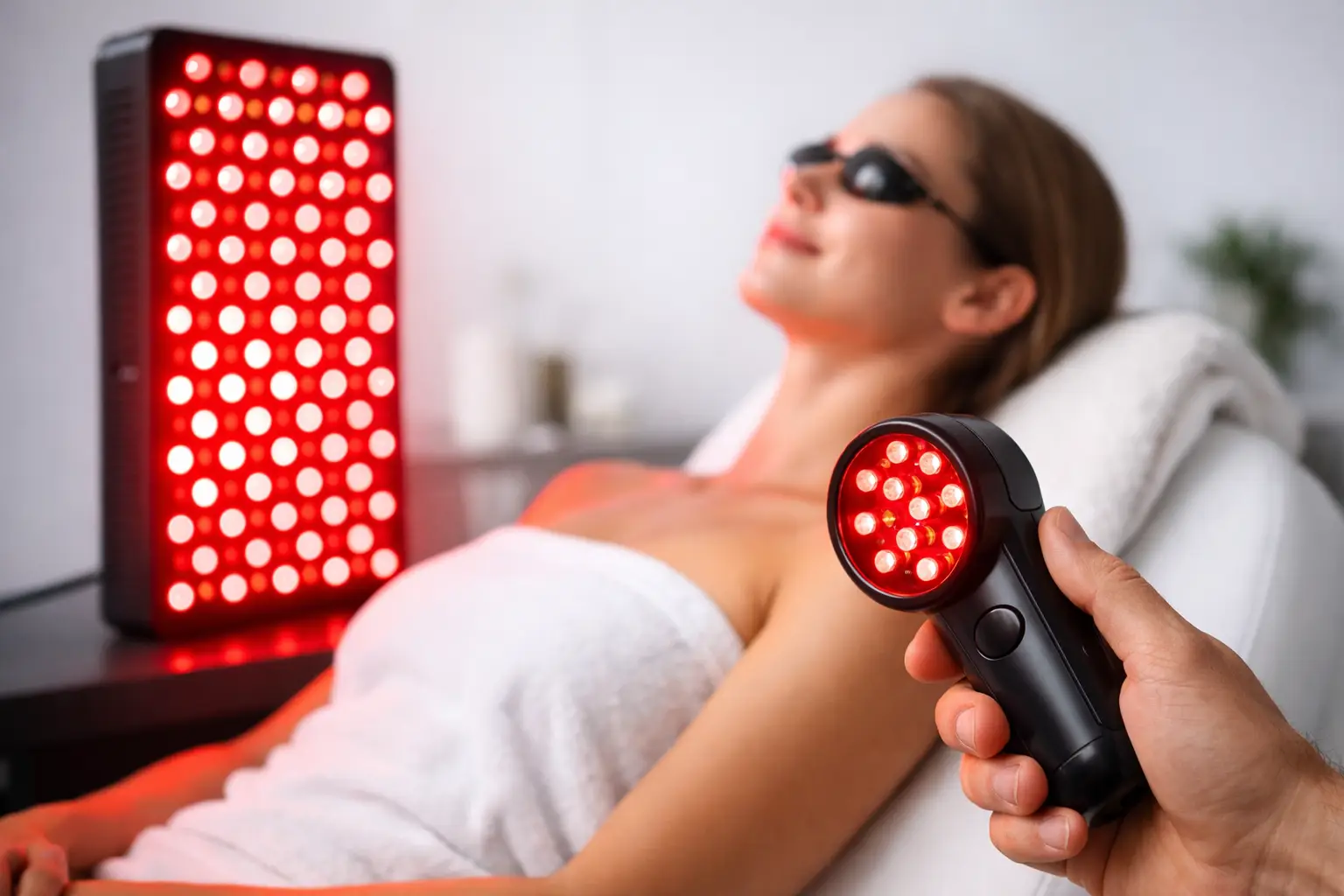
A red light therapy system can look impressive on a showroom floor and still be the wrong fit once it is in your space, on your schedule, and expected to deliver real results. That is why knowing how to choose a red light therapy system starts with a practical question: what do you need it to do every day? For some buyers, the goal is skin rejuvenation and a premium client experience. For others, it is recovery support, pain relief, convenience, and a system that feels worth the investment from day one.
How to choose a red light therapy system for your goals
The best buying decisions usually start with the outcome, not the hardware. Red light therapy is used for a range of wellness and beauty applications, including support for circulation, recovery, skin appearance, and overall rejuvenation. But not every system is built around the same use case.
If you operate a salon, spa, med spa, or recovery studio, think about where red light therapy fits in your service menu. Are you adding a standalone revenue stream, enhancing post-workout recovery, or pairing it with other body and wellness services? A commercial operator usually needs equipment that can handle repeat sessions, maintain a premium appearance, and support a smooth client flow.
If you are buying for home use, the equation changes a bit. You may care less about throughput and more about comfort, footprint, ease of use, and whether the system gives you a professional-grade experience without requiring a dedicated commercial room. The right answer is different, and that is exactly the point.
Start with form factor and treatment coverage
One of the fastest ways to narrow your options is to decide how much body coverage you want per session. This affects treatment time, user convenience, and the kind of experience the system creates.
Full-body systems are often the strongest fit for commercial spaces because they create a high-end treatment feel and allow broader coverage in a single session. They can also make more sense for residential buyers who want maximum convenience and are designing a true home wellness room. The trade-off is obvious: larger systems require more space, more planning, and a bigger capital commitment.
Panel-based or more compact units can be a smart choice when space is limited or when treatments are more targeted. They may work well for facial rejuvenation, localized recovery support, or buyers who want flexibility without committing to a larger footprint. The downside is that sessions may take longer if users need to treat multiple areas separately.
This is one of the biggest it-depends decisions in the category. A compact system is not automatically a compromise. It is only a compromise if your goals call for broader coverage and faster session turnover.
Performance matters more than marketing language
When buyers compare systems, they often get buried in feature claims. The better approach is to focus on performance factors that affect actual use.
Output consistency matters because your clients or household users need reliable sessions over time, not just a system that sounds advanced in a product description. Build quality matters for the same reason. Premium wellness equipment should be designed for repeat use and long-term confidence.
Ease of operation also matters more than many buyers expect. In a commercial setting, staff should be able to explain the service quickly, start sessions efficiently, and keep the room turning over without confusion. At home, the controls should feel intuitive enough that the system becomes part of your routine rather than a piece of equipment you avoid because it feels inconvenient.
A polished design is not just cosmetic, either. In a business environment, appearance supports perceived value. In a residential setting, it helps the system feel at home in a premium wellness space rather than like a clinical afterthought.
How to choose a red light therapy system based on business model
For commercial buyers, this is not simply an equipment purchase. It is a revenue decision. A red light therapy system should match your pricing model, client volume, and brand position.
If your business attracts clients looking for premium beauty and wellness experiences, a high-visibility full-body system may help differentiate your menu. It can support stronger package pricing and give prospects a service that feels current, results-oriented, and easy to understand. If your business is more recovery-driven, you may prioritize treatment efficiency and compatibility with services like compression therapy, cryotherapy, infrared sauna, or body contouring.
Think carefully about session length and room turnover. A system that works well in theory can become frustrating if it slows operations or creates bottlenecks during peak hours. You should also consider whether the equipment is easy to position in your floor plan and whether it complements the rest of your offering visually and operationally.
For home buyers, the business model becomes a lifestyle model. Ask whether you want daily access, family use, a luxury wellness-room centerpiece, or a more discreet add-on to an existing home gym or spa area. The wrong choice is often the one that overreaches your actual routine.
Do not ignore service, maintenance, and support
This is where smart buyers separate initial excitement from long-term value. Specialty wellness equipment is a serious investment, and support after the sale matters.
Before choosing a system, look at what kind of service structure stands behind it. If a component needs attention, how easy is it to get help? Is there guidance on installation, operation, and upkeep? Are financing options available if you want to preserve cash flow for other business needs? These are not side issues. They are part of the purchase.
Commercial operators especially should think about downtime risk. A beautiful system that is difficult to maintain or support can become expensive in ways that do not show up on the quote. Residential buyers should ask the same question in a different way: if something goes wrong, will you have a clear path to assistance, or will you be left managing a premium product on your own?
This full-service mindset is one reason buyers often prefer working with an experienced equipment partner rather than chasing the lowest price on paper.
Space, electrical planning, and installation reality
A red light therapy system has to work in the real world, not just in a product photo. Measure your available space carefully and think beyond the unit itself. You need room for access, airflow, cleaning, user movement, and the overall treatment experience.
Commercial buyers should also think about privacy, traffic flow, and room presentation. A premium service loses some of its value if the treatment room feels cramped or poorly planned. Residential buyers should consider whether the system will live in a dedicated wellness room, bedroom, gym, or multi-use area, because that affects what form factor makes sense.
Electrical requirements and installation details should be clarified early. This is especially true for larger systems. Waiting until after purchase to sort out site readiness can delay launch, add avoidable cost, and turn a straightforward project into a headache.
Price matters, but value matters more
Everyone has a budget. The better question is what your budget needs to accomplish.
For a commercial operator, the lowest-priced option may be the most expensive if it underdelivers on appearance, throughput, durability, or client appeal. A higher-end system can make financial sense if it helps attract clients, supports premium pricing, and holds up under repeated use. For residential buyers, paying more may be justified if the system offers stronger coverage, better aesthetics, easier operation, and a more professional-grade experience.
At the same time, bigger and more expensive is not always better. If a compact unit meets your goals, fits your space, and will actually be used consistently, that is real value. Smart buying comes from matching investment level to intended use, not buying the largest spec sheet available.
Questions worth asking before you buy
Before making a final decision, pressure-test the purchase. Ask what outcomes the system is best suited for, who it is designed to serve, how it fits your space, and what kind of support comes with it. Ask how it performs in a commercial environment if you plan to use it heavily. Ask whether it aligns with your client experience, brand image, or home wellness goals.
You should also ask yourself a blunt question: will this system be used enough to justify its place in the business or the home? If the answer is yes, and the unit fits your goals, space, and support expectations, you are likely looking in the right direction.
At Sun Spa Wellness, buyers often find that the best red light therapy system is not the one with the loudest feature list. It is the one that fits the room, fits the routine, and keeps delivering long after the excitement of the purchase wears off. Choose with that in mind, and the equipment has a much better chance of becoming a true performance asset instead of just another wellness trend.
