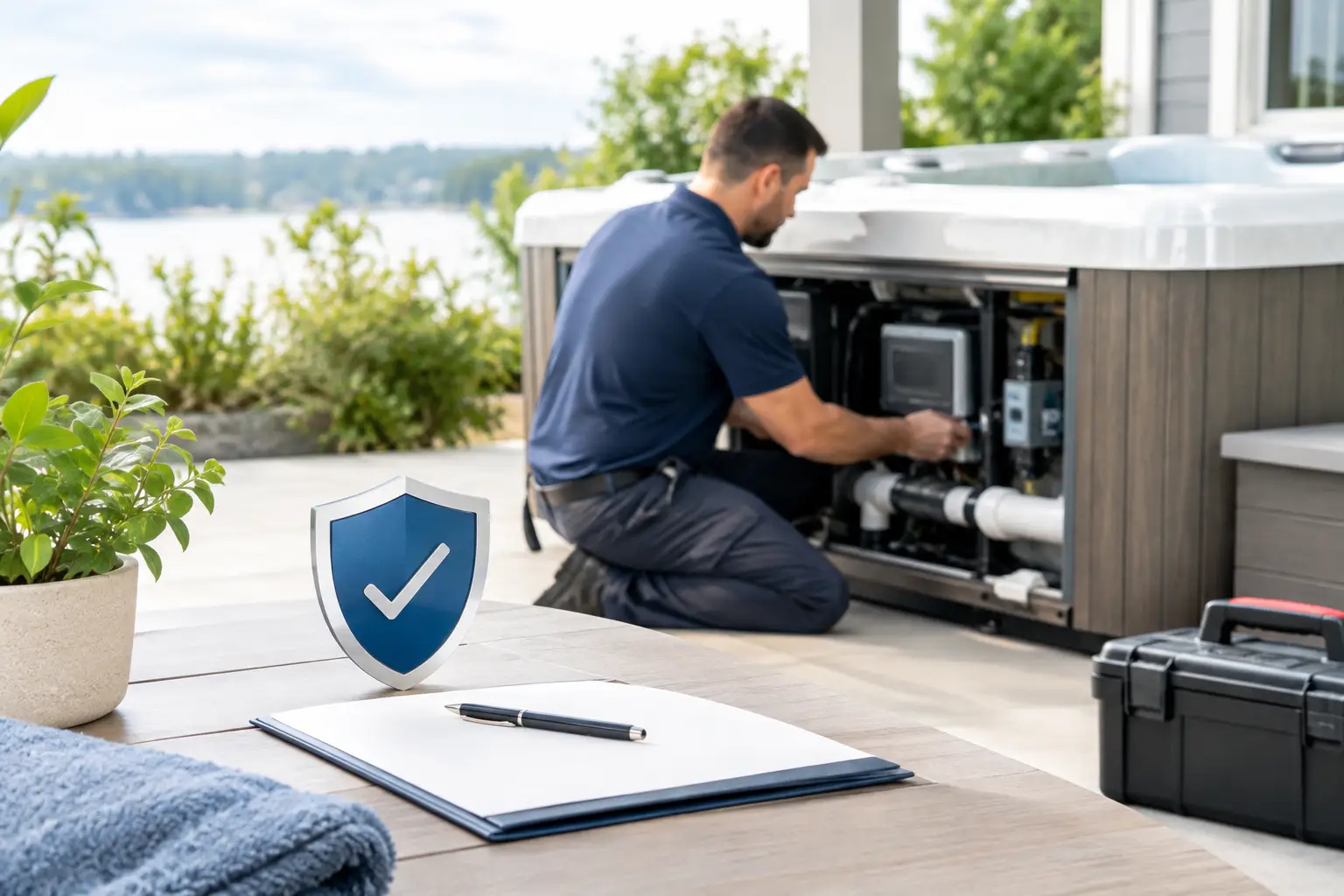
A red light therapy system, cryotherapy chamber, premium tanning bed, or hyperbaric unit is more than a line item on a purchase order. It is a revenue-producing asset, a client experience differentiator, and a major part of your operating model. To insure spa equipment correctly, your policy needs to account for what the equipment costs to replace, how it can fail, and what happens to your business while it is offline.
For home wellness buyers, the stakes are different but still significant. A professional-grade sauna, recovery device, or tanning system may exceed the limits of a standard homeowners policy, particularly when installation, electrical upgrades, and specialized components are included. The right coverage protects the investment without leaving surprises behind when a claim occurs.
Why Specialty Wellness Equipment Needs Its Own Review
Many owners assume their general business policy automatically covers every device inside the facility. Sometimes it does, but coverage limits, exclusions, and valuation methods can create expensive gaps. A basic property policy may respond to a fire or certain weather damage, for example, while offering limited protection for internal electrical failure, mechanical breakdown, water damage, or lost income during repairs.
Specialty equipment also carries risks that conventional office equipment does not. Cryotherapy, infrared heat, UV technology, pressurized systems, halotherapy, body contouring, and recovery technologies depend on precise components, specialized service, and proper installation. Replacing one damaged control board, compressor, acrylic surface, or cooling component may require a manufacturer-approved part and trained technician, not a quick local repair.
Your insurance program should reflect the true role of each device in your facility. If one system accounts for a substantial share of appointments, memberships, or packages, a long service interruption can be more damaging than the replacement cost alone.
What Coverage Helps Insure Spa Equipment Properly
The exact policy structure depends on your location, service menu, equipment mix, and whether you operate commercially or at home. Still, these coverage categories deserve a direct conversation with an insurance professional who understands wellness operations:
- Commercial property coverage can protect owned equipment from covered events such as fire, theft, vandalism, and certain types of water or storm damage.
- Equipment breakdown coverage is designed for sudden mechanical, electrical, or electronic failures. This is especially relevant for systems with motors, compressors, pumps, power supplies, cooling equipment, and computerized controls.
- General and professional liability coverage can help address claims connected to client injury or alleged harm. The services you provide, staff training, client screening, and device-specific use protocols all affect what is appropriate.
- Business interruption coverage may replace qualifying lost income and help with continuing expenses after a covered property loss forces a temporary shutdown or limits operations.
- Inland marine or scheduled equipment coverage can be useful for high-value items, equipment in transit, or devices moved between locations. Despite the name, this coverage is not limited to water-related losses.
A home installation may call for scheduled personal property coverage or a specialty endorsement instead. Do not assume a device is protected simply because it is inside your home. Discuss whether the equipment is used only personally, installed in a detached structure, or connected to upgraded electrical, ventilation, plumbing, or flooring systems.
Replacement Cost Matters More Than the Invoice Price
The number on your original equipment invoice is a starting point, not always the amount you need insured. Specialty wellness equipment often involves delivery, site preparation, assembly, calibration, electrical work, ventilation, plumbing, accessories, and commissioning. If a total loss occurred, could you restore the same client-ready capability at the amount listed on your policy?
Ask whether your coverage is based on actual cash value or replacement cost. Actual cash value generally reflects depreciation, which can leave you paying a meaningful amount out of pocket for newer technology. Replacement cost coverage is generally better aligned with a premium equipment investment, though its terms, limits, and conditions still matter.
For commercial operators, consider the cost of replacing a discontinued model with its current equivalent. Technology evolves quickly across LED tanning, recovery, and aesthetic wellness categories. A policy written around an outdated value may not keep pace with current equipment pricing or installation requirements.
Review values annually and after every major purchase, relocation, renovation, or equipment upgrade. This is also a smart time to update photos, serial numbers, invoices, maintenance records, and documentation of installed options.
Match Liability Protection to Your Actual Service Menu
A salon that offers tanning services has a different exposure profile than a recovery studio with cryotherapy, compression therapy, red light therapy, and hyperbaric technology. A med spa adding body shaping equipment has different operational considerations again. Insurance applications should accurately describe what clients use, who operates each device, and whether services are supervised by trained staff or licensed professionals where required.
Accuracy is not paperwork for paperwork's sake. If the policy describes a basic day spa but the business offers advanced recovery and rejuvenation technologies, a claim can become more complicated. Tell your broker about every treatment category, even when a service is new, seasonal, or only available at one location.
Risk management supports insurability as well. Written intake procedures, consent forms, contraindication screening, staff training records, cleaning protocols, manufacturer service documentation, and incident reporting practices show that your operation is built for responsible use. They also help protect client confidence, which is just as valuable as the equipment itself.
Protect Revenue, Not Just Hardware
A damaged device can create a chain reaction. You may need to cancel appointments, pause a membership benefit, issue credits, move clients to another service, or rent temporary space. If a flagship system is down for weeks, the loss is not limited to the repair invoice.
Business interruption coverage deserves close attention for this reason. Review the waiting period, coverage duration, and the way lost income is calculated. A recovery studio with recurring memberships may need a different limit than a salon that depends on individual service appointments. It depends on how concentrated your revenue is and whether clients can be redirected to other services while repairs are underway.
Also ask about extra expense coverage. In some circumstances, paying to expedite shipping, bring in temporary equipment, or operate from another location can reduce the overall financial impact of a covered loss. The policy language determines what applies, so this is a question to raise before there is a problem.
Installation and Maintenance Can Influence Claims
Premium equipment performs best when it is installed to manufacturer specifications and maintained on schedule. That is good for uptime, client safety, and the longevity of your investment. It can also matter when an insurer evaluates the cause of a loss.
Keep installation documentation, electrical and plumbing permits where applicable, service invoices, inspection records, and manufacturer maintenance guidance in one accessible place. If a system requires dedicated electrical service, ventilation, drainage, or reinforced flooring, confirm that the improvements are properly insured too. A policy that covers the device but overlooks the build-out can still leave a costly gap.
For used equipment, document condition, serial numbers, refurbishment work, and current replacement value before coverage begins. Used does not mean low risk. A professionally maintained pre-owned unit can be a smart acquisition, but its valuation and service history should be clear.
Questions to Ask Before You Bind Coverage
Before selecting or renewing a policy, ask your broker whether each major device is covered at replacement cost, whether equipment breakdown is included, and whether high-value units should be specifically scheduled. Confirm how the policy treats flood, sewer backup, wind, theft, electrical surge, and mechanical failure, since these causes of loss are not handled the same way.
Ask how business income coverage applies if only part of the operation is affected. Clarify liability protection for each service you offer and whether leased, financed, or temporarily rented equipment creates additional insurance requirements. If your lender or lease agreement requires a certain limit or named insured status, provide that documentation early.
Sun Spa Wellness supports buyers with the practical resources that surround a major equipment purchase, including insurance guidance, service planning, and maintenance considerations. The strongest protection begins before delivery, when equipment values, site requirements, and operational risks can be evaluated together.
Treat insurance as part of your equipment strategy, not an afterthought once the installation is complete. When coverage reflects your technology, revenue model, and growth plans, you can focus on delivering the recovery, rejuvenation, and performance experiences clients came to you for.
