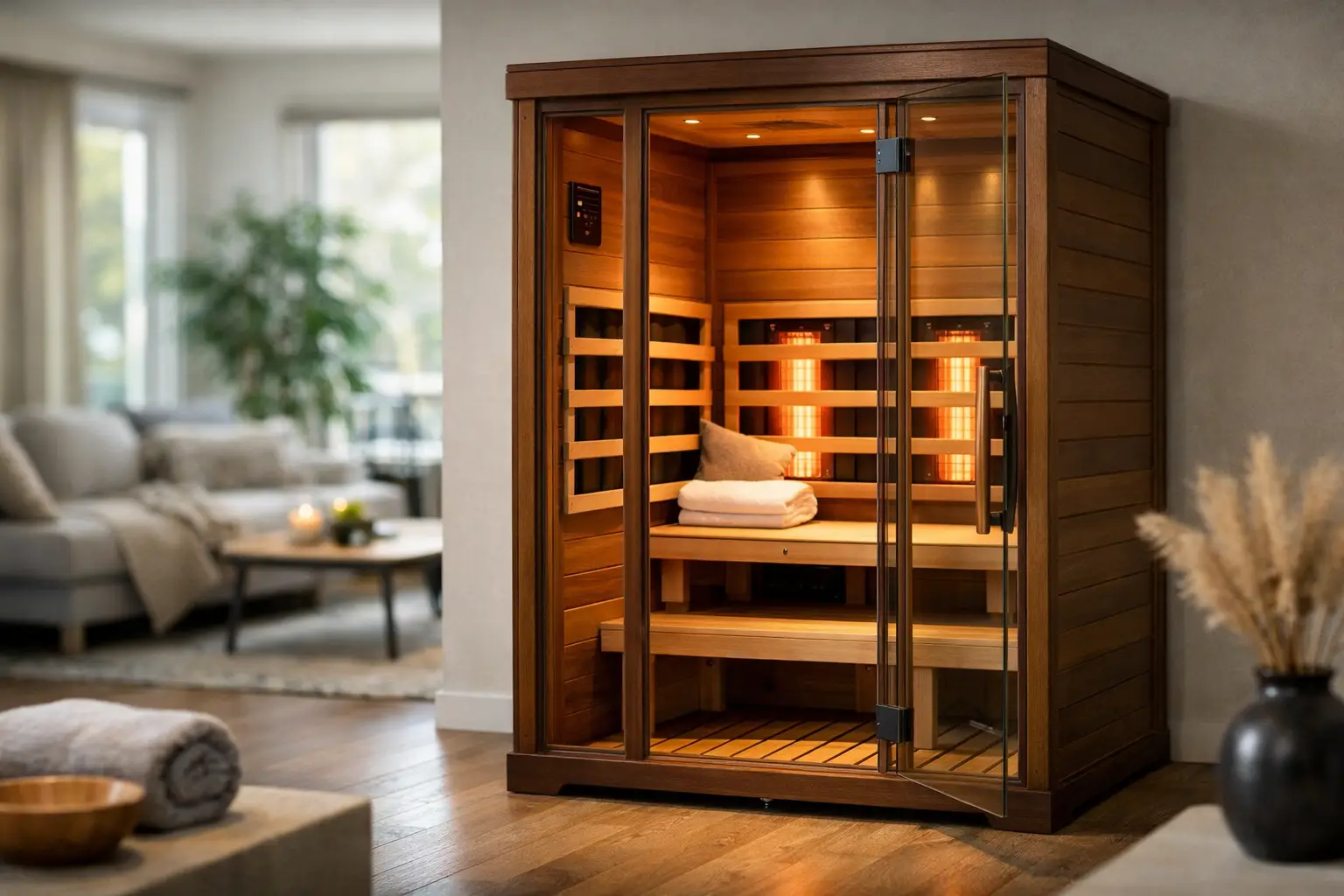
A cold plunge in the garage gets attention. A hyperbaric chamber makes a statement. But an infrared sauna for home is often the piece that gets used most, because it fits real life. It delivers heat, recovery, relaxation, and routine without requiring a dedicated staff, complicated plumbing, or a major learning curve.
That practicality is exactly why home wellness buyers and commercial operators alike keep coming back to infrared. It feels premium, but it is also highly usable. The question is not simply whether infrared sauna technology works. The better question is whether it fits your space, your wellness goals, and the level of performance you expect from a long-term equipment investment.
Why an infrared sauna for home keeps gaining ground
Traditional saunas still have their place, especially for people who want an intense ambient heat experience. Infrared saunas appeal to a different kind of buyer. Instead of heating the air to extreme temperatures, infrared systems are designed to warm the body more directly. That usually creates a more comfortable session while still supporting heavy sweating, relaxation, and post-workout recovery.
For a homeowner, that matters. A sauna that feels easier to tolerate often gets used more consistently. Consistency is where the value shows up, whether the goal is muscle recovery, stress reduction, circulation support, or simply creating a reliable wellness ritual at home.
For commercial operators, the appeal is slightly different but just as practical. Infrared can broaden your service offering with a treatment that feels modern, approachable, and premium. It is easier to position for recovery, detox support, relaxation, and general wellness than many niche technologies that require more explanation at the point of sale.
What buyers are really looking for
Most people shopping for an infrared sauna are not buying heat. They are buying outcomes.
Some want a private recovery space after training, golf, running, or long workdays that leave the body tight and fatigued. Others want a polished home wellness room that feels closer to a luxury spa than a spare bedroom with gym equipment. Business buyers usually want both experiential value and reliable operation. If a sauna looks impressive but underdelivers in build quality, controls, or user comfort, it quickly becomes a problem rather than a differentiator.
That is why the best buying decisions start with the use case. A daily solo user has different needs than a family of four. A med spa adding premium recovery services has different priorities than a homeowner upgrading a primary suite or pool house. When the product matches the actual environment, satisfaction tends to be much higher.
The benefits people care about most
An infrared sauna for home is usually considered for a mix of wellness and lifestyle reasons. Recovery is at the top of the list. Many users incorporate infrared sessions after training or physically demanding work because heat can help the body feel looser and more restored. Stress relief is another major factor. A quiet 30-minute session with controlled heat and no distractions can become one of the most effective parts of a wellness routine.
There is also a strong convenience factor. Access changes behavior. When the sauna is steps away instead of across town at a club or spa, sessions become realistic on a Tuesday night, before work, or after a difficult travel week. That matters more than people expect. Premium equipment earns its place when it reduces friction.
Aesthetic value should not be ignored either. High-end home wellness spaces are no longer niche. Buyers are investing in recovery rooms, red light therapy areas, and personal spa suites because they want wellness built into the home rather than outsourced to a membership. A well-designed infrared sauna contributes both visual appeal and functional value.
What to evaluate before you buy
The biggest mistake in this category is focusing only on price. An infrared sauna can look similar online from one model to the next, but performance and ownership experience can vary significantly.
Start with construction quality. Materials, fit and finish, door seal, interior comfort, and overall design affect both heat retention and long-term satisfaction. If the sauna is going into a luxury residential setting or a client-facing business, appearance matters as much as raw function.
Next, consider heater technology and control quality. The experience should feel even, controlled, and repeatable. Cheap systems often create inconsistent heating or underwhelming sessions, which leads to disappointing use rates. Premium buyers typically want better engineering, cleaner design, and intuitive controls that do not feel dated a year later.
Size is another key variable. Bigger is not automatically better. A unit that overwhelms the room, strains the electrical setup, or sits mostly unused because it was oversized is not a smart investment. At the same time, going too small can make the experience feel cramped, especially for taller users or couples who plan to use it together.
Warranty, service access, and supplier support also deserve real attention. This is not a disposable purchase. If you are buying premium wellness equipment, you should expect support before and after delivery. That includes help with model selection, installation planning, maintenance expectations, and long-term service options.
Space, power, and installation realities
This is where serious buyers separate from impulse buyers. The right infrared sauna for home has to work with the space, not just fit inside it.
Placement affects convenience and longevity. A dedicated wellness room, home gym, primary bath extension, basement spa area, and enclosed patio can all be viable, but the environment should support safe installation, comfortable access, and the right electrical setup. You also want enough surrounding clearance for ventilation, serviceability, and a clean finished look.
Power requirements vary by model, and that is not something to sort out after purchase. Some units are straightforward for residential installation, while others may require a more involved electrical plan. For commercial locations, load planning is even more important if you are adding multiple technologies in one suite.
Assembly is another factor. Some buyers want a unit that can be brought in and installed with minimal disruption. Others are building out a full wellness environment and can accommodate a more substantial setup. Neither approach is wrong, but expectations should match the product category.
Homeowner goals versus commercial goals
Residential buyers usually prioritize daily usability, design, and how the sauna integrates with a broader wellness lifestyle. They want equipment that feels elevated, reliable, and worth returning to several times a week. Noise, comfort, interior space, and appearance often matter more than they do in a pure performance comparison.
Commercial buyers typically evaluate return from a different angle. The sauna has to support client experience, service differentiation, and operational durability. It should be easy for staff to manage, simple for clients to understand, and attractive enough to support premium pricing. In many facilities, the right infrared unit is not just an amenity. It is part of the brand experience.
That is one reason buyers often prefer working with a full-service equipment partner instead of chasing the lowest online price. Selection becomes more strategic when the purchase has to perform in the real world, not just look good on a product page.
Is the investment worth it?
For the right buyer, yes - but only when expectations are realistic.
If you are looking for a low-cost novelty item, this category can disappoint. Quality infrared saunas are capital purchases. The value comes from regular use, dependable construction, and a better overall wellness experience over time. A premium unit that is used four or five times a week can justify itself far more convincingly than a cheaper model that feels underpowered and gets ignored.
For business owners, the equation comes down to client demand, service positioning, and equipment reliability. An infrared sauna can be a strong addition when it supports recovery, relaxation, and wellness packages that clients already understand and want. If it aligns with your customer base, it can enhance retention and perceived value.
For residential buyers, the value is often measured in consistency. If the sauna helps you recover better, sleep deeper, de-stress more often, and build a home environment you genuinely enjoy using, that return is more tangible than it first appears.
Choosing with confidence
The strongest purchase decisions come from matching product quality to the level of experience you want. That means thinking beyond marketing claims and asking practical questions about performance, room planning, support, and long-term use.
A premium infrared sauna should feel like an asset, not a compromise. It should complement the space, support your routine, and reflect the standards you expect from high-end wellness equipment. For buyers who care about recovery, rejuvenation, and convenience, that combination is exactly why companies like Sun Spa Wellness continue to see infrared remain a core part of the modern wellness room.
If you are considering one, treat it like the serious investment it is - because the right setup can become one of the most used and most valuable pieces in your entire wellness environment.
