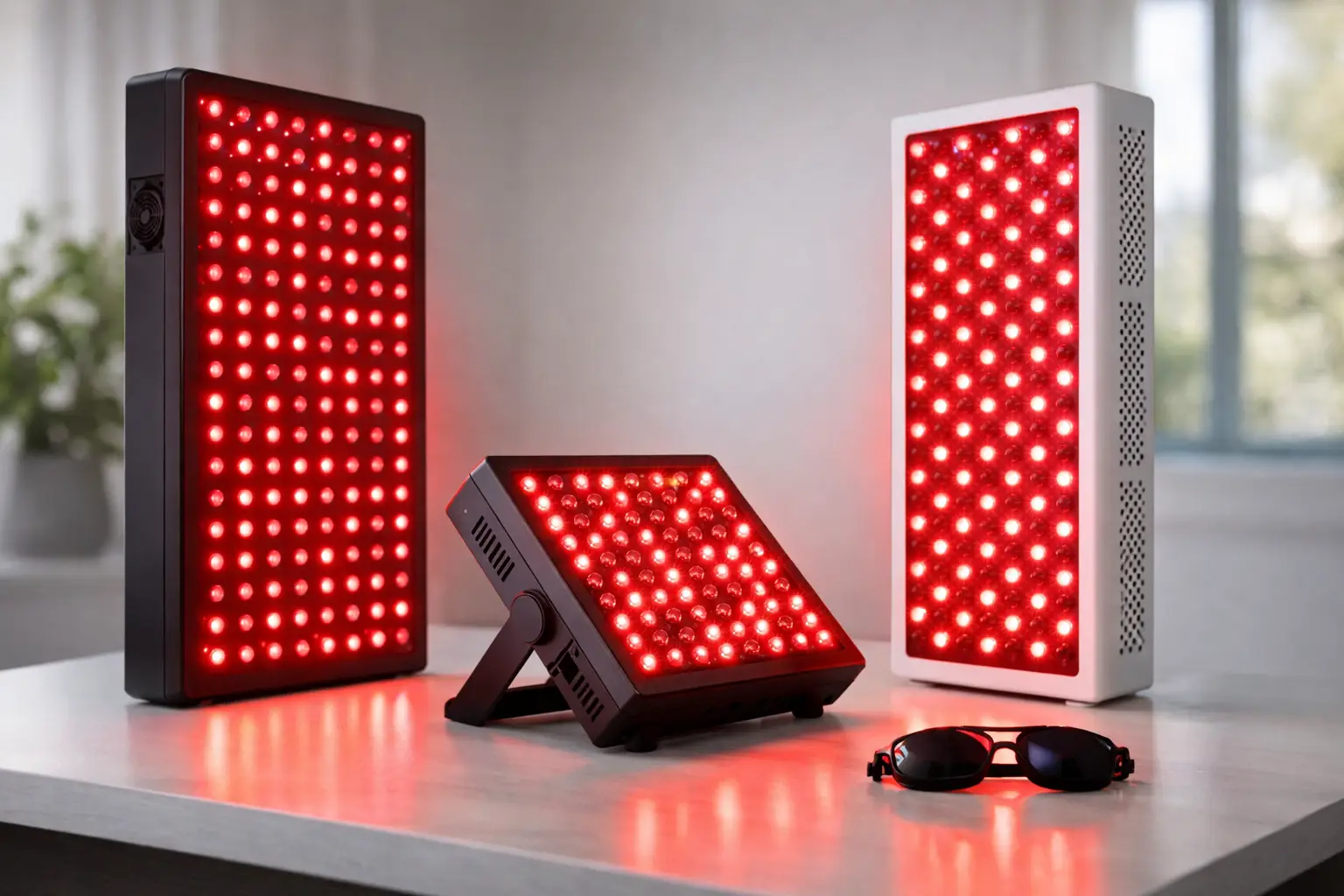
A red light panel can look like a simple wall of LEDs. For a wellness business, it is a revenue-producing treatment asset that has to deliver consistent sessions, fit the room, support a premium client experience, and stand up to daily use. For a home buyer, it needs to provide professional-grade coverage without turning a recovery room into a technical project. That is why comparing the top red light therapy panels takes more than looking at a wattage number or a polished product photo.
The right system depends on how it will be used. A compact panel may be a smart addition to a personal training studio or home gym. A larger, modular system can make more sense for a med spa, salon, recovery center, or dedicated wellness suite where full-body sessions are part of the service menu. The strongest purchase is the one that matches your treatment goals, client volume, physical space, and long-term operating plan.
What separates top red light therapy panels from basic devices
Premium panels are designed around treatment coverage, wavelength selection, usable output, controls, and construction quality. These details affect whether a device feels like a credible wellness offering or an accessory that clients quickly overlook.
Red and near-infrared light are commonly combined in professional systems because they serve different practical applications. Red light is often selected for skin-focused rejuvenation services and a visible, relaxing treatment environment. Near-infrared light is invisible to the eye and is commonly incorporated into recovery-focused protocols. Operators may position red light therapy as a complement to fitness recovery, beauty services, relaxation, and broader wellness programming, without presenting it as a substitute for medical care.
Panel size matters just as much as the LEDs themselves. A small panel can work well for targeted areas and personal use, but it may require a client to reposition several times. Larger panels reduce that friction and create a more polished session, especially when treating the front and back of the body. In a commercial setting, faster setup and consistent positioning can directly support appointment flow.
Build quality also deserves attention. Commercial operators should look for durable housings, reliable cooling, secure mounting options, intuitive controls, and a design that is easy to clean between appointments. Residential buyers may prioritize a compact footprint and flexible placement, but they should not compromise on electrical quality, clear operating instructions, or service access.
How to compare top red light therapy panels
A panel should be evaluated as a complete system, not a collection of headline specifications. Output figures can be useful, but only when they are measured and explained responsibly. A manufacturer that provides clear treatment-distance guidance, session recommendations, wavelength information, and practical operating details gives buyers a more meaningful basis for comparison.
Coverage and session experience
Start with the body area you want to address. Targeted panels can be appropriate for a home office, facial rejuvenation area, athlete recovery station, or add-on service. Half-body and full-body configurations are better suited to facilities that want to market a more immersive light therapy experience.
Consider the client journey as well. Is the user standing, seated, or lying down? Can the panel be adjusted easily? Does the room allow enough clearance for safe, comfortable positioning? A high-output unit is less compelling if the setup is awkward or clients cannot settle into the session.
For studios and spas, a panel with broad, even coverage can help standardize the treatment. Consistency makes staff training easier and supports a more repeatable experience for members and guests. For homeowners, an adjustable stand or wall-mounted design can preserve floor space while keeping the device ready for regular use.
Wavelengths and treatment flexibility
Many premium red light therapy panels feature a combination of red and near-infrared wavelengths. Rather than treating the number of wavelengths as a scorecard, ask how the system allows you to use them. Independent controls for red and near-infrared light can be valuable when your offerings include both beauty-oriented and recovery-oriented sessions.
A system with thoughtful controls also gives operators more flexibility to build protocols around different client preferences. A guest coming in after a demanding training session may want a recovery-focused experience, while another may be interested in a skin-enhancement service. The equipment should support that flexibility without making every appointment complicated for staff.
Output, distance, and realistic timing
More advertised power does not automatically mean better results. Light intensity changes with distance, and the usable dose is influenced by session duration, body position, panel coverage, and the device's engineering. Look for manufacturers and suppliers that explain recommended treatment distance and timing in plain language.
For commercial use, predictable sessions are a business advantage. If a protocol is clear and easy to repeat, staff can keep appointments on schedule and educate clients with confidence. For home use, simple timers and preset programs reduce guesswork and encourage consistency. The best panel is not necessarily the one with the largest claim on a spec sheet. It is the one your customers or household will use correctly and regularly.
Controls, comfort, and safety features
A professional panel should feel refined from the first interaction. Digital timers, adjustable brightness, separate wavelength controls, cooling systems, and secure stands all contribute to the daily experience. Eye protection and clear usage guidance should be part of the operating plan, particularly in a commercial environment where different clients will use the equipment each day.
Noise is another practical consideration. Fans are often necessary to manage heat, but a loud unit can disrupt a calm spa treatment room. In a gym or performance facility, that may matter less. This is a good example of why the right choice depends on the environment, not just the product category.
Choosing a panel for your business or home
For a salon, med spa, or wellness center, red light therapy should fit a defined service strategy. It can be offered as a standalone rejuvenation session, bundled with body contouring or infrared wellness services, or positioned as an enhancement to recovery memberships. Full-body or large-format systems tend to create the strongest visual impact and can support premium pricing, but they require space, staff processes, and a plan for utilization.
Recovery studios and fitness businesses may benefit from panels that integrate easily with compression therapy, PEMF, cryotherapy, infrared sauna, or training recovery packages. The goal is not to overload the menu with technology. It is to create a clear progression that clients understand: train, recover, recharge, and return feeling ready for more.
Home buyers should decide whether they want targeted convenience or a dedicated full-body wellness feature. A smaller panel is easier to place and may be sufficient for focused routines. A larger panel offers a more complete experience, but it requires a suitable room, a stable mounting solution, and a realistic commitment to use. Buying for the room you actually have is usually better than buying for an imagined future setup.
The value of equipment support after installation
Red light therapy equipment is a capital investment, particularly when it becomes part of a commercial service menu. The purchase decision should include more than the panel itself. Ask about warranty coverage, installation requirements, maintenance expectations, replacement parts, financing options, and access to service if the system needs attention.
This is where working with a full-service wellness equipment partner can protect the investment. Sun Spa Wellness helps commercial and residential buyers evaluate premium wellness technology in the context of their space, goals, and broader equipment plan. That perspective is especially valuable when red light therapy will sit alongside tanning, recovery, spa, or performance-focused services.
Avoid choosing solely on price. Lower-cost systems can be appealing at first, but unclear specifications, limited support, poor ergonomics, and short service life may create more expense over time. Conversely, the most elaborate configuration is not always justified for a low-volume operation. The best investment aligns capability with demand.
Build a program, not just a treatment room
The most successful red light therapy installations are supported by clear positioning. Give the service a name that fits your brand, train staff on appropriate use and client communication, and make the session easy to add to an existing visit. A short, well-designed red light session can complement a facial, recovery appointment, body shaping service, or personal wellness routine without adding unnecessary complexity.
For buyers evaluating the top red light therapy panels, the winning question is not simply, “Which panel has the most LEDs?” Ask which system will create the most consistent, credible, and valuable experience in your specific setting. When coverage, controls, support, and your service model work together, red light therapy can become a lasting part of a premium wellness environment.
