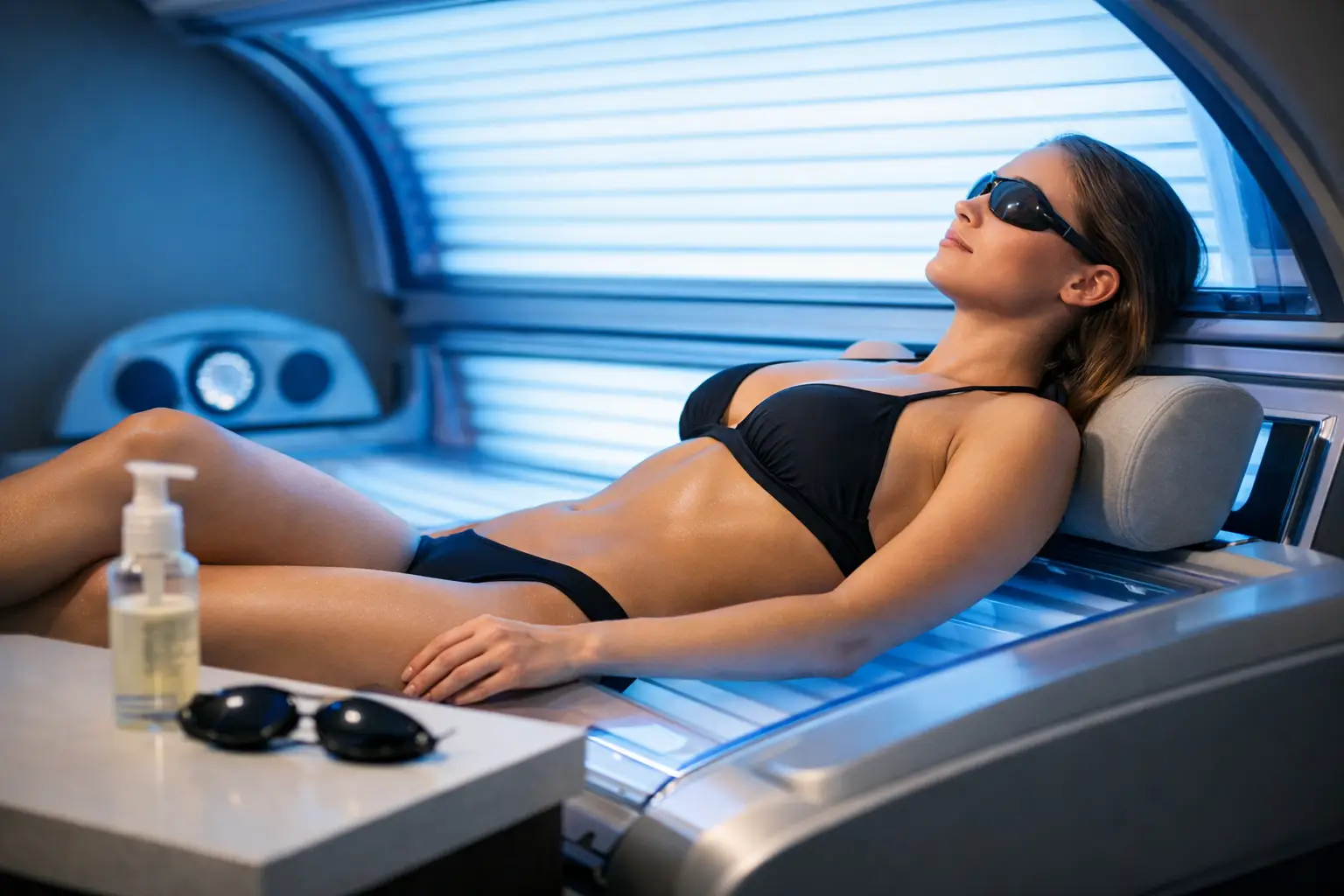
A tanning room that sits empty during peak hours is usually not a demand problem. More often, it is an equipment problem, a positioning problem, or a client experience problem. UV tanning still holds real value for commercial operators and home buyers alike, but the standard has changed. People expect better design, more comfort, more consistency, and equipment that feels premium from the first session.
For salon owners, med spa operators, and wellness businesses, UV tanning can still be a reliable revenue category when it is approached as a performance-driven service rather than a basic add-on. For residential buyers, it offers privacy, convenience, and access to professional-grade results at home. In both cases, the purchase decision is less about whether tanning equipment works and more about choosing a system that fits the environment, the usage pattern, and the level of experience you want to deliver.
Why UV tanning still matters
The market has become more competitive, not less. Clients have more wellness choices, more aesthetic services, and higher expectations around comfort and results. That is exactly why UV tanning remains relevant when the equipment is modern and the service is positioned correctly.
A well-selected tanning system can help a business create repeat traffic, increase session upgrades, and strengthen membership value. It also fits naturally into broader beauty and wellness offerings. In many locations, tanning works best when it is part of a larger menu that may include red light therapy, infrared wellness services, recovery treatments, or body-focused aesthetics. That kind of pairing gives operators more ways to build package revenue and differentiate the client experience.
For home users, the appeal is straightforward. Professional-grade tanning equipment brings convenience, scheduling freedom, and a private luxury experience that lower-end consumer products cannot match. The right unit becomes part of a dedicated home wellness space, not just a stand-alone appliance.
What defines a quality UV tanning system
Not all tanning equipment performs at the same level, even when it looks similar on paper. Buyers who focus only on entry price often miss the factors that shape long-term value.
Lamp performance is one of the biggest variables. Output consistency, session quality, and replacement planning all affect how the system performs over time. Cooling matters too. A bed or booth that runs hot or feels uncomfortable can reduce client satisfaction, even if the tanning output is strong. Modern ventilation, ergonomic design, and user-friendly controls make a measurable difference in repeat use.
Aesthetic presentation also matters more than many operators expect. Premium tanning equipment does not just deliver a service. It signals quality. Clean lines, advanced lighting, comfortable acrylics, and a refined user interface can make the difference between equipment that feels dated and equipment that supports premium pricing.
Then there is durability. Commercial buyers need systems built for repeated use, predictable maintenance cycles, and dependable uptime. Residential buyers may not run the same volume, but they still benefit from equipment engineered to a higher standard. In both settings, reliability protects the investment.
UV tanning for commercial operators
For a business owner, the question is not simply which unit is best. The better question is which unit aligns with your market, your client base, and your revenue strategy.
A high-volume salon may need equipment that supports a tiered model, with base units, upgrade units, and premium experiences that encourage session upsells. A med spa or wellness center may prefer a smaller number of high-design systems that fit a more curated brand image. A fitness or recovery facility may use tanning as a complementary service that increases member retention and broadens its wellness offering.
That is where trade-offs come in. Higher-end systems typically offer stronger visual appeal, enhanced comfort, more advanced control features, and a more premium user experience. They also require a larger capital investment. For some businesses, that extra spend is justified quickly through stronger package pricing and client perception. For others, the smarter move is a balanced equipment mix that supports both accessibility and upgrades.
Space planning matters as well. Room dimensions, electrical requirements, ventilation needs, and traffic flow all shape what will work in a real facility. A unit that looks perfect in a brochure may not be the right fit for your buildout. Serious buyers should think beyond the equipment footprint and evaluate the full operational picture.
UV tanning for residential buyers
Home buyers tend to evaluate equipment differently, but the same principle applies: the best choice depends on how you plan to use it.
If the goal is occasional convenience, a simpler system may be enough. If the goal is to create a true home spa environment with commercial-grade performance, then build quality, design, comfort, and output become more important. Many affluent homeowners are not looking for a compromise product. They want equipment that feels polished, dependable, and on par with what they would expect in a premium wellness setting.
The home environment also raises practical questions. Ceiling height, delivery access, electrical setup, and room climate all matter. So does placement. A tanning system should feel integrated into the home wellness space rather than forced into it. Buyers who plan carefully usually end up happier with both the function and the appearance of the installation.
There is also the issue of service support. High-end residential buyers often want professional guidance before and after the purchase, especially when adding specialized wellness equipment to the home. That support can be just as important as the unit itself.
How to evaluate UV tanning equipment before you buy
A serious equipment purchase deserves a more disciplined approach than comparing a few photos and price tags. Start with the intended use. How many sessions will the equipment support each day? What level of tanning experience are you trying to offer? Is the unit meant to be a core revenue driver, a premium upgrade, or a private lifestyle convenience?
From there, look at the total ownership picture. Initial cost is only one part of the equation. Maintenance expectations, lamp replacement schedules, warranty coverage, service access, and parts availability all affect long-term value. A less expensive unit can become the more expensive choice if downtime, discomfort, or weak performance hurt utilization.
It is also smart to assess how the equipment fits your brand. For a commercial space, tanning equipment should match the quality level of the rest of your offerings. If your business emphasizes modern wellness, recovery, and premium aesthetics, older or lower-grade tanning units can create visual and operational mismatch. For residential buyers, the same logic applies. The system should fit the design language and performance standards of the larger home wellness environment.
Safety, compliance, and client expectations
Any professional conversation about UV tanning should include responsible operation. Buyers need equipment that supports safe, consistent use and allows for clear session management. Commercial operators also need protocols, staff training, and a customer experience built around professionalism rather than guesswork.
This is another reason premium equipment matters. Better systems are often easier to manage, more comfortable to use, and better suited to an elevated client experience. That does not remove the need for proper oversight, but it does help create a more controlled and reliable operating environment.
Client expectations have also evolved. People notice details. They notice comfort, cleanliness, cooling, ease of use, and whether the equipment feels current. A tanning room can no longer feel like an afterthought if you want the category to perform well.
The bigger opportunity in UV tanning
The strongest buyers do not treat tanning equipment as an isolated purchase. They see it as part of a broader wellness and aesthetics strategy.
For commercial operators, that can mean pairing UV tanning with complementary services that increase visit frequency and raise average ticket value. For residential buyers, it can mean designing a more complete in-home wellness experience that supports beauty, relaxation, and recovery in one place. This bigger-picture approach often leads to better equipment decisions because the unit is evaluated within the full environment, not in a vacuum.
That is one reason experienced buyers often work with a full-service equipment partner instead of chasing the lowest possible price. Selection, financing, service planning, maintenance support, and long-term upgrade options all affect whether the investment performs the way it should.
UV tanning is still a viable category, but the winners are the buyers who choose with intention. The right system should do more than tan. It should elevate the room, support the business model or lifestyle, and deliver an experience that feels worth repeating.
