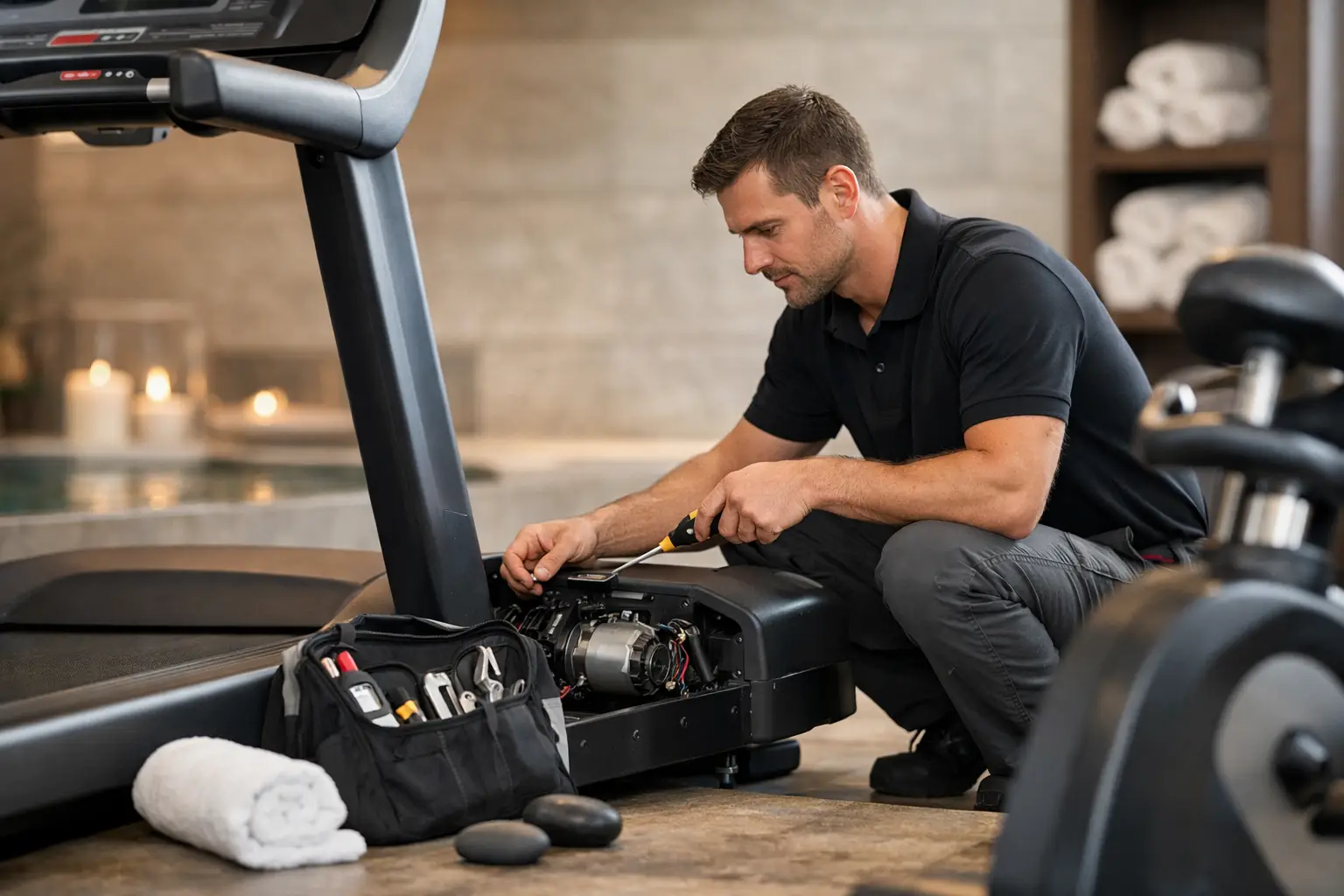
A premium wellness device earns its place through consistent performance, not simply an impressive first installation. Whether you operate a busy recovery studio, a multi-service salon, or a private home wellness suite, this wellness equipment maintenance guide will help you protect the safety, appearance, treatment quality, and long-term value of your investment.
Maintenance is also a business decision. A tanning bed with uneven output, an infrared sauna with neglected surfaces, or a cryotherapy system taken offline unexpectedly can affect client confidence and revenue. The goal is not to over-service equipment. It is to build the right routine around each technology, follow manufacturer requirements, and address small changes before they become expensive repairs.
Why Wellness Equipment Maintenance Protects Revenue
For commercial operators, equipment uptime is part of the client experience. A canceled red light therapy appointment or an unavailable compression therapy session can disrupt scheduling, reduce repeat bookings, and put pressure on staff to offer substitutions. Consistent care keeps treatment rooms ready while helping components operate within their intended range.
For residential owners, the benefit is equally practical. Professional-grade wellness equipment is designed to deliver a premium experience, but it still needs proper cleaning, ventilation, and periodic inspection. A simple maintenance routine preserves the polished look of a home spa while helping protect a high-value asset.
Not all maintenance tasks carry the same urgency. Daily cleaning protects hygiene and finishes. Monthly inspections can identify wear, airflow problems, loose fittings, or performance changes. Manufacturer-specified service protects more complex components such as electrical systems, compressors, cooling assemblies, lamps, LEDs, and controls. Skipping any one category creates a gap.
Start With a Maintenance Plan for Each Device
A single checklist for every device is rarely effective. UV tanning systems, PEMF equipment, hyperbaric chambers, dry floatation beds, and body contouring platforms have different operating environments and service needs. Begin by creating an equipment file for every unit that includes the model, serial number, purchase date, warranty details, recommended service intervals, and a record of every repair or replacement.
For a commercial location, assign ownership of the daily routine to a trained team member and designate a manager to review weekly or monthly records. This avoids the common problem of assuming someone else cleaned filters, logged operating hours, or reported an unusual noise. In a residential setting, a calendar reminder is usually enough, provided it follows the manufacturer’s schedule.
Your plan should also account for usage. A sauna used several times daily in a wellness center will need more frequent attention than one used a few times each week in a home. The same principle applies to tanning beds, compression boots, and red light therapy systems. High utilization creates more opportunities for surface wear, dust buildup, heat stress, and loose connections.
Keep Cleaning Compatible With the Equipment
The wrong cleaner can be as damaging as neglect. Harsh chemicals may cloud acrylics, degrade upholstery, discolor surfaces, or affect protective coatings. Use only approved cleaners and disinfectants for client-contact surfaces, and follow the stated dwell time where sanitation is required.
After cleaning, dry surfaces thoroughly. Excess moisture around electrical controls, seams, connectors, and ventilation openings can create avoidable issues. Avoid spraying liquid directly into controls, fans, vents, or electronics. Apply the approved solution to a soft cloth first unless the manufacturer specifically instructs otherwise.
A polished appearance matters in premium wellness environments. Clean acrylics, clear display panels, fresh upholstery, and odor-free cabins signal that your business takes client care seriously. In home settings, these same habits preserve the refined experience that made the equipment worth bringing home.
Daily and Weekly Wellness Equipment Maintenance
Daily care should be simple enough that it happens consistently between appointments. Focus on client-touch surfaces, visual checks, and anything that can be affected by frequent use. Before opening or before personal use, inspect the device for obvious damage, unusual odors, error codes, moisture, loose accessories, or changes in sound.
For most facilities, daily tasks include cleaning approved contact surfaces, emptying or refreshing applicable water systems, checking that vents are unobstructed, and confirming that controls respond normally. If a device uses removable accessories, such as compression garments or protective eyewear, inspect them for tears, worn closures, or sanitation concerns.
Weekly checks give you time to look beyond the surface. Inspect power cords and plugs for wear, examine door seals and hinges, remove lint or dust from accessible exterior vents, and check that the surrounding area has adequate clearance. Equipment that generates heat or relies on air circulation needs room to breathe. Placing storage boxes, towels, or decorative furnishings against intake or exhaust areas can reduce performance and increase component stress.
Keep a close eye on patterns. A new vibration, longer warm-up time, declining airflow, recurring error message, or uneven treatment output deserves attention even if the unit still appears functional. Early service is usually less disruptive than a complete shutdown.
Technology-Specific Care That Cannot Be Skipped
Some equipment categories require more than general housekeeping. Manufacturer instructions should always take priority, particularly for systems involving pressure, extreme temperature, high-output light, electrical energy, water, or specialized consumables.
UV tanning beds need regular acrylic cleaning with approved products, ventilation checks, and lamp-hour tracking. Lamps can still illuminate after their effective output has declined, so replacement decisions should be based on recommended hours and performance standards rather than appearance alone. Inspect facial lamps, acrylic supports, fans, timers, and cooling airflow as part of the routine.
LED and red light therapy systems benefit from clean treatment surfaces and dust-free ventilation. Keep oils, lotions, and residue away from panels and lenses unless the manufacturer confirms a specific product is safe. If output seems inconsistent or the system displays faults, schedule qualified service rather than opening enclosed electrical components.
Infrared saunas and halotherapy environments require special attention to ventilation, interior finishes, and moisture management. Wipe benches and touchpoints after use, allow the cabin to air out, and monitor doors, seals, heaters, and controls. In salt-based environments, use the cleaning and inspection process specified for the equipment, because salt exposure can accelerate corrosion in components not designed for casual cleaning methods.
Cryotherapy chambers, hyperbaric chambers, and other advanced recovery systems should have documented professional service intervals. These systems involve specialized operating parameters and safety controls that are not suitable for improvised repair. Staff should know the normal operating process, the approved shutdown procedure, and exactly when to take the unit out of service.
Compression therapy, PEMF, and body contouring equipment may appear lower maintenance, but cables, applicators, garments, pads, connectors, and control interfaces experience steady wear. Inspect these components often. Replacing a worn garment or damaged cable early can prevent a poor client experience and help protect the main unit from avoidable strain.
Know When to Call a Qualified Technician
Routine owner care is valuable, but it has limits. Do not remove panels, bypass alarms, alter wiring, or attempt repairs beyond the instructions provided for your model. That can compromise safety, void warranty coverage, and create a more costly service event.
Contact qualified service support when a device repeatedly trips a breaker, shows recurring fault codes, produces unusual smells, leaks, makes persistent abnormal noises, fails to reach operating temperature or pressure, or delivers inconsistent output. The same applies after a power surge, water exposure, impact damage, or prolonged storage.
For commercial operators, it is smart to schedule preventive service before the busiest season rather than waiting for a problem. A planned visit lets a technician inspect critical components, confirm calibration where applicable, replace approved wear items, and document the unit’s condition. That predictability is especially valuable for high-revenue equipment with a full appointment calendar.
Protect Your Investment With Better Records
Maintenance records are often overlooked until warranty support, resale, insurance, or trade-in discussions begin. Keep invoices, service reports, replacement-part details, and usage logs in one accessible place. If you manage several devices, a simple spreadsheet or digital maintenance platform can show what is due next and reveal which units need more attention.
Clear records also support better buying decisions. If a system requires frequent repair, the history helps you evaluate whether a targeted upgrade, replacement, or trade-in makes stronger financial sense. Sun Spa Wellness works with professional and residential buyers who understand that the best equipment strategy includes acquisition, performance, and long-term service planning.
A well-maintained wellness room feels effortless to the client, but that result comes from disciplined care behind the scenes. Treat maintenance as part of your service standard, and your equipment can continue delivering recovery, rejuvenation, relaxation, and revenue-producing performance when it matters most.
