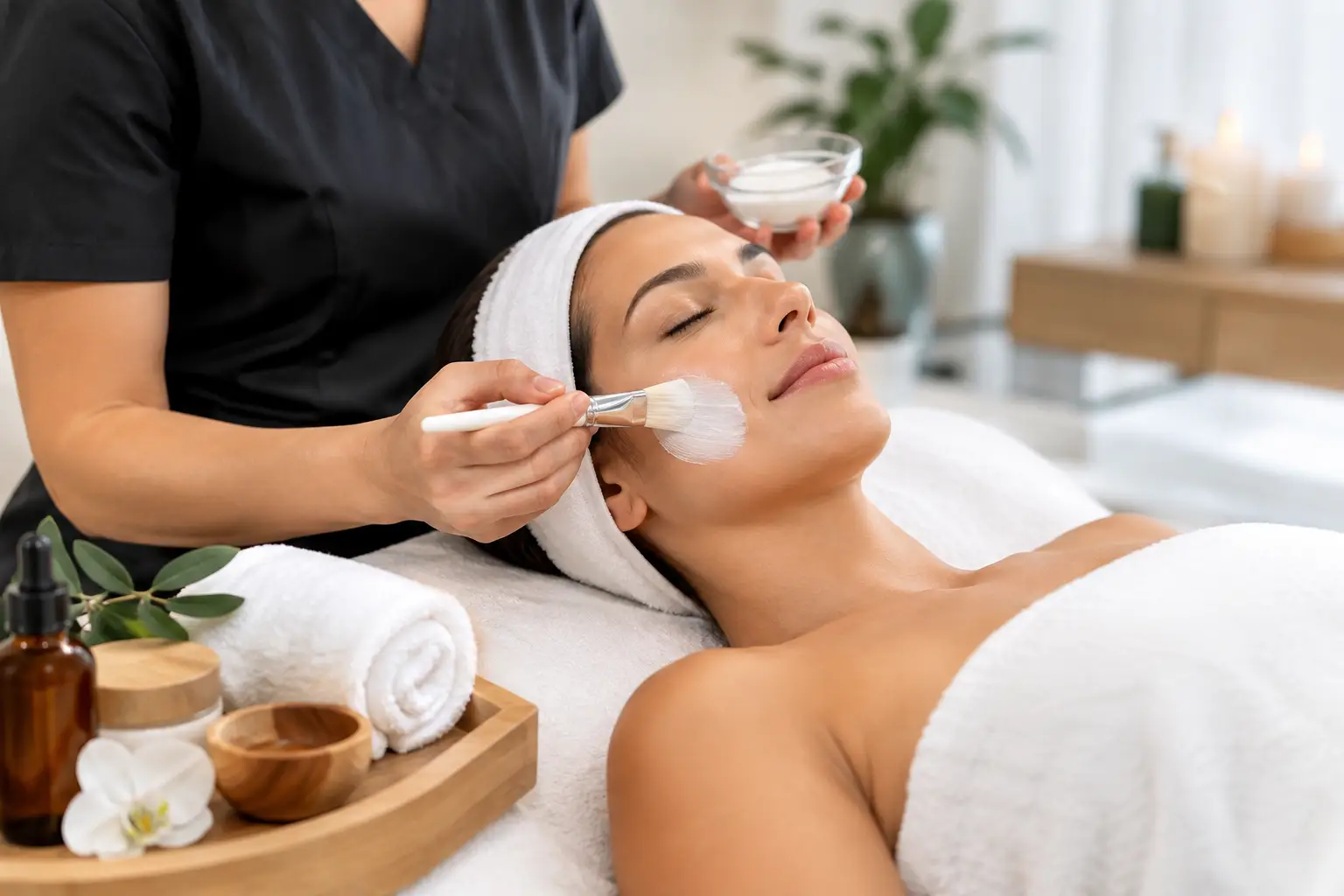
A treatment menu can look impressive and still underperform if clients do not understand why they should book, return, or bundle services. The top revenue generating treatments are not always the newest devices on the market. They are the treatments that match local demand, create visible or felt value, fit staff capacity, and give clients a reason to build a routine.
For salons, med spas, recovery studios, and wellness centers, the strongest equipment investments typically do more than fill one appointment slot. They support memberships, retail opportunities, upgrade paths, and repeat visits. The right mix also depends on your existing customer base. A tanning salon may add red light and body contouring differently than a fitness recovery studio adding infrared sauna and compression therapy.
What Makes a Treatment Revenue Generating?
Revenue is not simply the ticket price. A $250 service with lengthy room turnover, heavy labor requirements, and inconsistent demand may produce less profit than a $35 treatment that clients book twice a week. The most productive wellness services tend to share four characteristics: they are easy to explain, comfortable to experience, repeatable over time, and distinctive enough to justify choosing your business over a competitor.
Equipment utilization is equally important. A system that can operate with minimal staff involvement may allow a business to serve more clients without adding payroll pressure. On the other hand, a high-touch service can command premium pricing when it fits a med spa or luxury spa model. There is no universal winner. The best choice is the one that aligns with your available space, staffing model, client expectations, and marketing capability.
Top Revenue Generating Treatments to Consider
UV Tanning and Premium LED Tanning
UV tanning remains a major revenue driver for businesses with an established tanning clientele, particularly when the experience is elevated beyond a basic session. Premium tanning beds and all-LED solariums can differentiate a salon through comfort features, modern design, personalized settings, and a more upscale client experience.
The business advantage is familiarity. Consumers already understand the category, appointments are generally efficient, and packages or monthly memberships can create predictable recurring revenue. Premium units can also support higher session rates than entry-level equipment when the customer sees a clear difference in comfort, performance, and appearance.
This category works best for operators who understand their market, follow applicable regulations, maintain equipment carefully, and train staff to recommend the right session and product options. Tanning should be positioned responsibly, with clear client education and operational standards.
Red Light Therapy
Red light therapy has become a powerful cross-category service because it appeals to beauty, recovery, and wellness clients. Customers often seek it for skin-focused rejuvenation, post-workout recovery support, relaxation, and a general performance-oriented wellness routine. That broad appeal gives studios multiple ways to market the same system.
From a revenue standpoint, red light therapy is particularly well suited to memberships and treatment packages. Clients commonly view the service as cumulative rather than one-and-done, which encourages regular visits. It also pairs naturally with tanning, body contouring, infrared sauna sessions, and recovery services.
The most successful operators keep the message clear. Rather than presenting every possible benefit, explain what the session feels like, how long it takes, and how it fits into a consistent self-care or recovery schedule. Premium full-body systems can make the service feel substantial enough to stand alone, not merely as an add-on.
Body Contouring
Body contouring can generate strong per-client revenue because it addresses an outcome clients actively seek: body shaping and confidence. Technologies may support fat reduction, skin tightening, muscle stimulation, lymphatic support, or a combination of aesthetic goals, depending on the system and protocol.
This category often supports multi-session plans, which is where the business model becomes compelling. Instead of selling isolated appointments, operators can create structured packages that include consultations, progress tracking, complementary wellness services, and maintenance sessions. A series-based approach improves forecastability while giving clients a clearer path to their desired outcome.
Body contouring does require careful operational planning. Staff education, proper client screening, realistic expectation setting, and compliant marketing matter. It is also a category where your local competitive landscape should guide equipment selection. If every nearby business offers a basic treatment, a more advanced platform or a more complete program may be the differentiator.
Cryotherapy and Cold Recovery
Cryotherapy attracts a performance-minded audience that includes athletes, fitness members, busy professionals, and wellness clients seeking a fast recovery ritual. The appointment itself is brief, which can make it attractive for high-throughput facilities and clients with limited time.
A cryotherapy chamber can be particularly effective in a recovery studio, upscale gym, or wellness center where it is sold as part of a broader performance membership. Pairing cold exposure with compression therapy, red light, or infrared heat creates a more complete recovery circuit and raises average visit value without forcing the client to choose only one modality.
The trade-off is that cryotherapy requires disciplined operating procedures, trained staff, and a space designed around the equipment's needs. It is not a casual add-on purchase. For the right facility, however, the visual impact and premium positioning can draw attention well beyond the treatment room.
Infrared Sauna and Halotherapy
Infrared sauna services have broad consumer appeal because they feel approachable, relaxing, and restorative. Clients often seek the warmth, quiet time, and detox-oriented wellness ritual, while businesses benefit from a service that can be offered in private, shared, or premium suite formats.
Sauna sessions work especially well with memberships. A client may begin with an occasional visit, then adopt a weekly routine once they associate the service with relaxation, recovery, or post-workout comfort. Upgraded sauna cabins can also elevate the perceived value of a spa suite or residential wellness environment.
Halotherapy can create an additional point of distinction, particularly for facilities that want a calm, spa-forward experience. A salt room or halotherapy system may not be the highest-volume service in every market, but it can strengthen a premium wellness membership and make a facility more memorable. It tends to perform best when supported by thoughtful ambiance, clear client education, and packages rather than being treated as an isolated novelty.
Compression Therapy and Dry Floatation
Compression therapy is a practical revenue builder because it is easy to incorporate before or after exercise, travel, massage, or recovery sessions. It is generally accessible to a wide audience and can be sold as a quick stand-alone appointment, a membership inclusion, or an upgrade while clients wait for another service.
Dry floatation offers a different opportunity: deep relaxation without the operational demands of a traditional water-based float. It can appeal to clients who want stress relief and quiet recovery but prefer a more comfortable, low-barrier experience. Both categories can help fill daytime appointment gaps because they fit well into 20- to 45-minute time windows.
Build a Menu That Encourages Repeat Revenue
The highest-performing treatment menus are designed around client journeys, not equipment categories. A new client might enter through an introductory red light or sauna offer. From there, staff can recommend a recovery membership, a body contouring consultation, or a premium package based on the client's stated goals.
Avoid discounting every service simply to create demand. Introductory pricing can be useful, but the long-term model should be built around value. That may mean a monthly membership with a set number of sessions, a recovery bundle that combines several modalities, or a body-focused program with scheduled progress appointments. Packages should make the next visit feel like a natural continuation, not a hard sell.
Room design also matters. A polished treatment space reinforces premium pricing, especially for equipment with a strong visual presence such as LED systems, cryotherapy chambers, infrared saunas, and body contouring platforms. Clients are more likely to share an experience that feels elevated, private, and intentionally designed.
Choose Equipment Around Your Business Model
Before selecting a system, model the opportunity using conservative assumptions. Estimate realistic daily utilization, average revenue per session, labor needs, consumables, maintenance, financing costs, and the time required to market the service. A device does not need to be booked all day to be profitable, but the revenue plan must be credible before it reaches your floor.
Also consider whether the equipment creates a new reason to visit or merely duplicates what clients can already get nearby. A premium system from a full-service equipment partner such as Sun Spa Wellness can be valuable not only for its treatment capabilities, but for the support behind the purchase: equipment guidance, financing options, service resources, and long-term maintenance planning.
The right treatment is the one your team can confidently sell, your clients will want to repeat, and your operation can deliver at a consistently high standard. Start with the client experience you want to be known for, then choose equipment that turns that experience into a dependable revenue stream.
