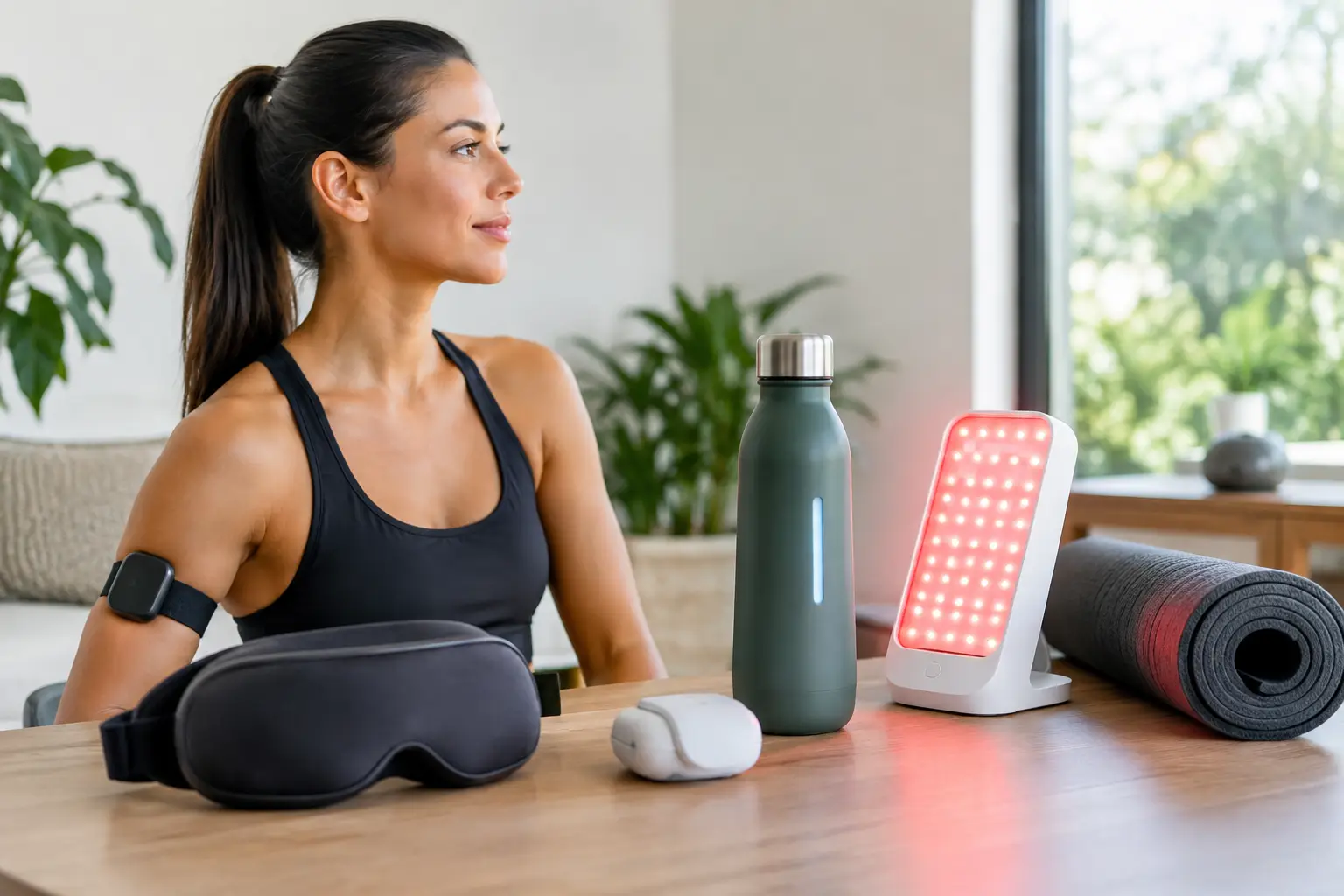
A dedicated home wellness room is no longer defined by a treadmill and a foam roller. The most meaningful home biohacking equipment trends point to professionally engineered systems that make recovery, relaxation, skin-focused rejuvenation, and performance support available on demand. For affluent homeowners and wellness operators alike, the appeal is straightforward: less time spent traveling to appointments and more consistency with a personalized routine.
The shift is not simply toward buying more equipment. It is toward selecting fewer, higher-performing systems with clear roles in a daily or weekly wellness plan. A red light therapy system, infrared sauna, compression unit, or PEMF device can earn its footprint when it delivers a comfortable experience, dependable operation, and a result the user can feel or see over time.
Home Biohacking Equipment Trends Are Becoming More Professional
Consumer wellness technology has matured quickly. Early home biohacking was often built around small gadgets, apps, and novelty devices. Today’s buyers are looking at the same categories that helped recovery studios, spas, fitness facilities, and med spas expand their service menus: advanced light therapy, heat therapy, oxygen-based wellness systems, compression, and whole-body recovery equipment.
That does not mean every commercial machine belongs in a residence. Space requirements, electrical needs, ventilation, service access, and intended use all matter. The trend is toward residential-ready versions of professional-grade equipment - systems engineered for frequent use, visual appeal, and practical ownership rather than a device that feels temporary or experimental.
For commercial operators, this same movement is influencing buying decisions. Clients are increasingly familiar with recovery technologies at home and expect a more elevated experience when they visit a studio or spa. Equipment must look premium, perform reliably, and offer an experience that cannot be duplicated by a basic consumer device.
Red Light Therapy Is Moving Beyond Small Panels
Red and near-infrared light therapy remains one of the strongest categories in home wellness. Compact panels introduced many users to the technology, but full-body beds, canopies, and larger modular systems are becoming more attractive for buyers who want consistent coverage and a more refined session experience.
The distinction is not just size. Professional-grade systems are designed around output, treatment area, cooling, user comfort, control options, and build quality. For homeowners, a larger system can turn a quick wellness habit into an intentional part of a recovery or skin-care routine. For a wellness business, it can create a premium, bookable service that supports memberships and package sales.
Buyers should look past broad claims and compare practical specifications: the treatment area, session controls, warranty support, installation needs, and whether the device is designed for the expected frequency of use. Light-based equipment may support skin appearance and post-workout recovery goals, but results depend on consistency and appropriate use.
Heat Therapy Is Becoming a Designed Home Experience
Infrared saunas continue to gain ground because they combine relaxation, warmth, and a clear ritual that fits naturally into a home routine. The current preference is for low-EMF designs, quality wood construction, full-spectrum infrared options, integrated entertainment or control features, and layouts that complement a finished home gym or spa suite.
A well-selected infrared sauna can support relaxation after training, help users unwind before sleep, and provide a private setting for regular heat sessions. Still, a larger sauna is not automatically the right answer. A one- or two-person model may suit a focused recovery room, while a larger cabin makes sense for households that will use it together. Electrical planning and room dimensions should be addressed before selecting a model.
Compression and PEMF Fit the Daily Recovery Routine
Not every trend requires a dedicated room. Compression therapy systems and PEMF devices are gaining popularity because they can be used in shorter sessions and stored more easily than larger equipment. They are especially relevant for active adults, frequent travelers, golfers, runners, and homeowners who want a convenient recovery option after demanding days.
Compression systems use sequential pressure to support circulation and a refreshed feeling in the legs. PEMF technology uses pulsed electromagnetic fields and is often incorporated into relaxation and recovery routines. These categories are compelling because they lower the barrier to consistency: a user can read, work, or relax during a session instead of scheduling another trip across town.
The trade-off is that portable equipment should still be chosen carefully. Comfort, adjustability, control quality, cleaning requirements, contraindications, and service availability matter far more than a long feature list.
Oxygen, Float, and Cold Recovery Create Destination Spaces
The most ambitious home wellness environments are beginning to include equipment that once belonged almost exclusively to specialty centers. Hyperbaric chambers, dry floatation systems, halotherapy units, and cold recovery solutions create a more immersive experience than a small wearable device ever can.
These systems are not casual purchases. Hyperbaric equipment requires careful consideration of chamber design, operating procedures, ventilation, training, and the buyer’s individual health circumstances. Cold exposure equipment also requires disciplined protocols and attention to user safety. Dry floatation and halotherapy can be excellent additions to a relaxation-centered spa room, particularly for buyers who value a quiet, low-stimulation environment.
This is where expert equipment guidance becomes valuable. The best system is not the most complex one. It is the one that fits the home, supports the owner’s goals, and can be properly installed, maintained, and used with confidence.
What Separates a Long-Term Investment From a Trend Purchase
High-ticket wellness equipment should be evaluated like any other major home improvement or business asset. A polished product photo is not enough. Buyers should ask how the equipment will be powered, where it will be serviced, what routine maintenance it requires, and whether replacement parts and technical support will be available years from now.
Aesthetics also carry real value. Homeowners want equipment that belongs in an upscale interior, not a device that makes a finished space feel clinical or cluttered. Commercial buyers need the same visual confidence because clients associate the appearance of a wellness studio with the quality of the experience.
Financing, delivery coordination, installation guidance, warranty terms, and future trade-in opportunities can change the real cost of ownership. Sun Spa Wellness approaches these purchases as a full equipment decision, not a one-time transaction. That perspective is particularly useful when buyers are building a complete recovery room or expanding a service menu with multiple technologies.
Build Around a Goal, Not a Gadget
The strongest home wellness rooms are designed around use cases. An athlete may prioritize red light therapy, compression, and an infrared sauna. A homeowner focused on relaxation may combine dry floatation, halotherapy, and gentle light therapy. A beauty-driven space may place greater emphasis on advanced tanning, LED systems, and body contouring equipment.
It is also wise to consider who will actually use the room. A household with varied fitness levels may benefit from intuitive systems with preset programs and straightforward controls. A highly experienced user may prefer deeper customization. In either case, professional guidance is appropriate before using equipment that involves heat, pressure, light exposure, cold exposure, or electromagnetic fields, especially for anyone with a medical condition, implanted device, or pregnancy.
Space planning should happen early. Measure doorways and ceilings, verify electrical capacity, plan for service clearance, and account for ventilation and flooring. These details protect the investment and prevent a premium system from becoming difficult to access or maintain.
The Next Standard Is Consistent Wellness at Home
The future of home biohacking is less about chasing a new device every season and more about creating a space that makes effective habits easier to keep. Choose equipment that feels inviting enough to use regularly, is built to perform over time, and turns recovery or rejuvenation into a dependable part of the day.
