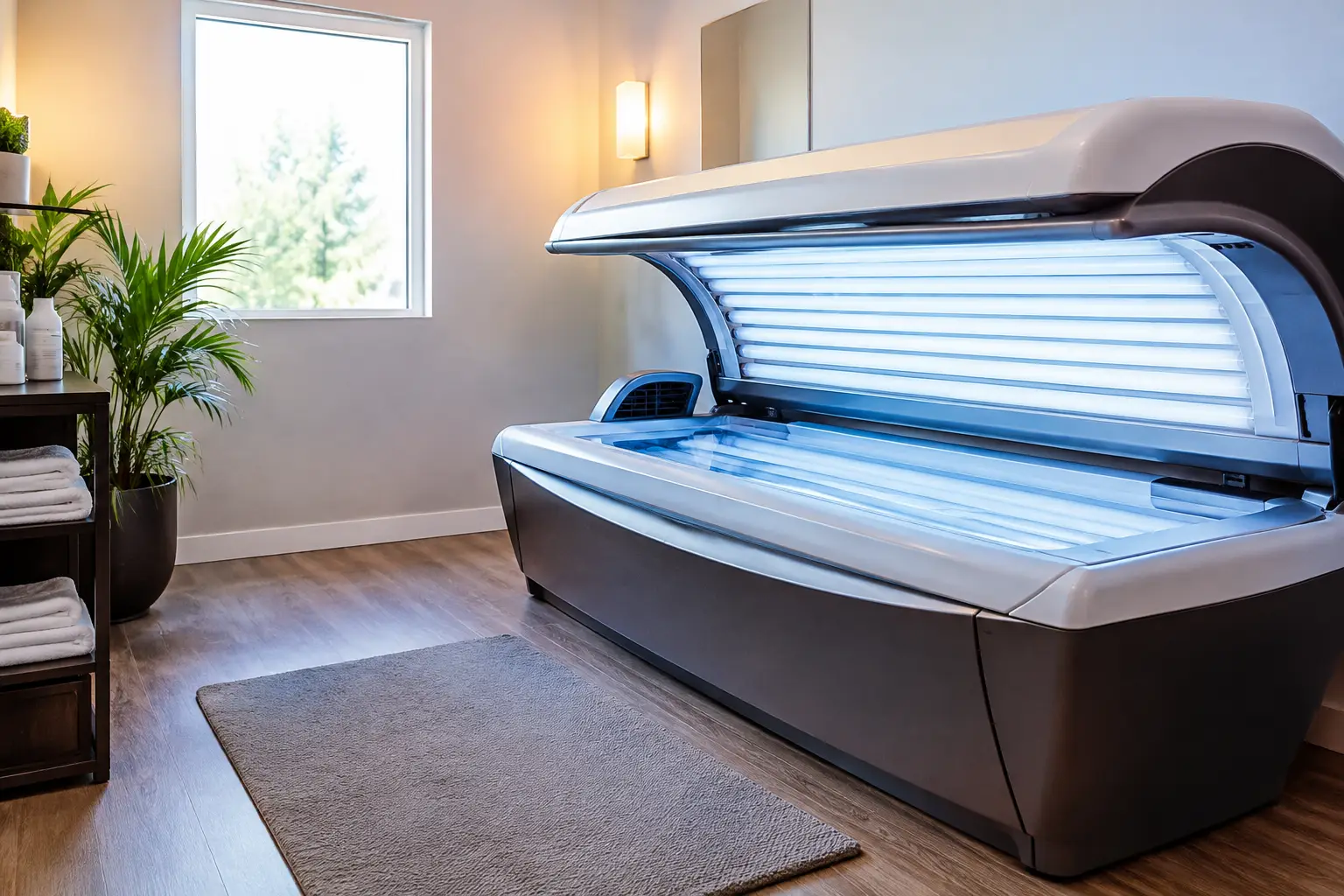
A tanning room can have a premium system, a beautiful reception area, and strong marketing behind it, yet still leave clients underwhelmed if the room itself feels cramped, overheated, or inconsistently cleaned. The details surrounding the session shape perceived value just as much as the equipment. Knowing how to prepare tanning rooms properly helps salon owners create a more comfortable experience, protect their investment, and support repeat business.
For a commercial salon, med spa, or wellness center, tanning-room preparation is not simply a cleaning task. It is an operational standard that affects client confidence, staff efficiency, equipment performance, and the overall quality of your brand.
Start With the Room Layout and Traffic Flow
A well-prepared tanning room should feel private, easy to use, and intentionally designed. Before selecting décor or adding amenities, consider how a client moves through the space. They need room to enter, close the door, undress, prepare their skin, use the tanning system safely, and get dressed again without bumping into furniture or struggling to reach controls.
Leave clear access around the tanning bed or stand-up unit for both the client and your staff. Technicians need space to sanitize surfaces, inspect lamps, service acrylics, and respond if a client needs assistance. A room that is technically large enough for a unit may still be too tight for efficient daily operation.
Placement also matters. Avoid positioning the system where direct sunlight, moisture, or exterior temperature swings can affect the room. Keep electrical access, ventilation pathways, and service clearances in mind from the beginning. Premium tanning equipment deserves an installation environment that supports its performance rather than restricts it.
Design for privacy without making the room feel closed in
Privacy is essential, but heavy, dark finishes can make a small tanning room feel smaller and hotter. Use durable finishes in clean, modern tones that reflect light without feeling clinical. A full-length mirror, secure hooks, a bench or compact chair, and a small surface for personal items make the room more practical without adding clutter.
If you offer upgraded services such as all-LED tanning, red light therapy, or wellness-focused skin rejuvenation sessions, the room should reinforce that elevated positioning. The goal is a polished space that feels purpose-built, not a spare room with a tanning bed placed inside.
Build Ventilation and Temperature Control Into the Plan
Comfort is one of the fastest ways to distinguish a professional tanning environment from an average one. Tanning systems create heat, and a room that stays warm after one session can quickly become unpleasant for the next client. Poor airflow may also place unnecessary strain on equipment and make odors linger.
Each room needs ventilation appropriate for the specific system, room size, and local building requirements. The equipment manufacturer’s installation specifications should guide the design. Some high-performance units have specific airflow needs, so treating ventilation as an afterthought can lead to avoidable performance and maintenance issues.
Aim for a temperature that feels comfortable before the session begins, not one that only becomes tolerable after a fan is turned on. Ceiling fans, properly sized HVAC returns, and dedicated exhaust solutions may all play a role, depending on the space. The right solution depends on your equipment mix and building layout.
Humidity deserves attention as well. Damp air can make a room feel stuffy and can be hard on finishes, electronics, and adjacent equipment. In humid climates or multi-service wellness facilities, a dehumidification strategy may be worth the investment.
Create a Consistent Sanitation Reset
Clients notice cleanliness immediately. They look at the acrylic, the handles, the floor corners, the mirror, and the small touchpoints that are easy to overlook during a busy shift. A reliable reset process protects client trust and gives staff a clear standard to follow.
After every session, clean the tanning system with a disinfectant approved for use on acrylics and manufacturer-recommended surfaces. Harsh products can cloud, crack, or weaken acrylic components over time, so the fastest cleaning product is not always the right one. Wipe handles, control panels, door hardware, benches, shelving, and any protective eyewear offered for client use.
A strong room-reset routine should also include:
- Removing towels, disposable items, and empty product packaging
- Checking the floor for lotion residue, dust, or moisture
- Restocking tissues, wipes, eyewear, and client amenities
- Confirming that fans, timers, and controls are ready for the next session
- Reporting damaged acrylics, loose components, unusual noises, or error messages
Use a checklist during opening and closing shifts, even if your team is experienced. Consistency is what keeps small issues from becoming equipment downtime or negative reviews.
Prepare the Client Experience Before They Enter
The best tanning rooms make clients feel looked after without requiring a long explanation every visit. Stock only the items that make the session easier: clean eyewear, tissues, a waste bin, product guidance, and clear instructions for operating the system. If the room includes audio, aromatherapy, cooling features, or adjustable settings, make those controls intuitive.
Lighting deserves a deliberate choice. Bright task lighting is useful for cleaning and room turnover, but softer lighting can create a more relaxed pre-session experience. If possible, use separate lighting controls so staff can clean thoroughly while clients enter a room that feels calm and refined.
Avoid overwhelming the room with retail displays or printed signs. A concise, professional instruction card is more effective than a wall full of warnings and promotional materials. Clients should know how to start the session, adjust available comfort features, and contact staff if needed.
For first-time clients, staff should explain the system in person rather than relying on signage alone. That includes proper eyewear use, timing, skin-sensitivity considerations, and the importance of following recommended exposure guidance. Responsible preparation supports better client outcomes and protects your business.
Match Equipment Selection to Your Business Model
Part of preparing tanning rooms is choosing equipment that fits the room and your revenue strategy. A high-output commercial tanning bed, a stand-up unit, an all-LED system, and a red light therapy device each have different spatial, electrical, ventilation, and client-flow requirements.
A salon focused on high appointment volume may prioritize fast turnover, easy sanitation, and a mix of entry-level and premium units. A med spa or recovery studio may prefer a quieter, more design-forward room that supports a skin wellness or rejuvenation service menu. Residential buyers may place greater emphasis on aesthetics, noise levels, and integration with a home spa, gym, or sauna area.
Do not select a system based only on the footprint shown in a product specification. Account for delivery access, installation clearances, electrical upgrades, HVAC capacity, and future service needs. Planning these details early is usually less expensive than modifying a finished room later.
Inspect the Room Like a Client and Like a Technician
Before opening each day, walk into every tanning room with two perspectives. First, ask what a client sees and feels. Is the room fresh, private, comfortable, and ready? Are there smudges on the mirror, worn signage, flickering lights, or a stale smell that could weaken the experience?
Then inspect it like a technician. Confirm that the unit powers on correctly, cooling fans operate normally, controls respond, and no alerts are displayed. Look for acrylic wear, loose hardware, ventilation blockages, and any signs that service is needed. Small observations can prevent larger interruptions.
Keep maintenance records for each system, including lamp or LED service intervals, acrylic inspections, repairs, cleaning-product usage, and technician visits. This is especially valuable for multi-unit facilities where a minor pattern can otherwise go unnoticed.
Train Staff to Protect the Premium Experience
The room is only as prepared as the person turning it over. Train every team member on sanitation protocols, client communication, basic equipment checks, emergency procedures, and when to escalate an issue. They should understand that a damaged acrylic or unusual sound is not something to ignore until the next service visit.
Staff training should also cover the difference between selling a session and guiding a client. A confident recommendation considers the client’s goals, prior experience, skin sensitivity, and preferred level of comfort. This service mindset helps premium equipment deliver its full business value.
Whether you are building a new tanning salon, refreshing an established location, or designing a high-end home wellness suite, the room should make every session feel intentional. When the space is clean, cool, private, and professionally maintained, clients spend less time noticing the logistics and more time enjoying the results.
